

Đipša Monastery



First mentions and early history
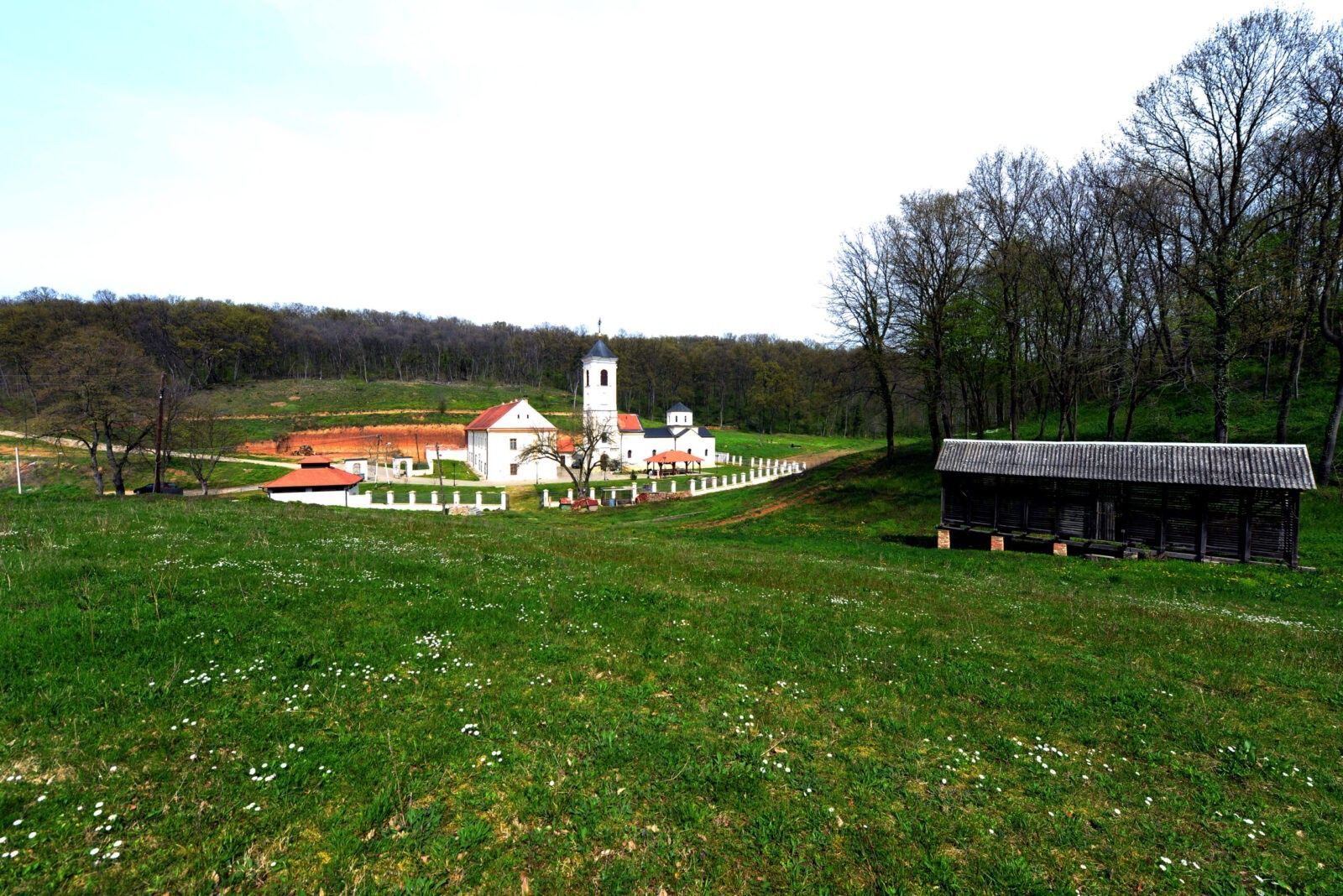
“The Description” from 1753 notes that Đipša was founded by Despot Jovan Branković, between 1496 and 1502. Apart from this note, there are currently no other data that would shed light on the earliest history of this monastery. It is mentioned under the names “Monastery of St. Nicholas in the village of Lipovica” and Divše in the Ottoman defters from 1545-1548, 1566-1569 and 1578, when this monastery, being a wealthy monastic family, was charged a high tax of 4,000 akçe. 17th century gives us no information about this holy place, so some historians believe that it was deserted. However, in 1702, Abbot Bonini wrote that several monks were re-erecting church buildings in the “uninhabited and forested” wilderness. Two years later, Holy Roman Emperor Joseph I issued a privilege in which Đipša was described as the metochion of the nearby Kuveždin Monastery, and in 1734 the emissaries of Metropolitan Vikentije (Jovanović) found four monks here.
Temple and dormitory
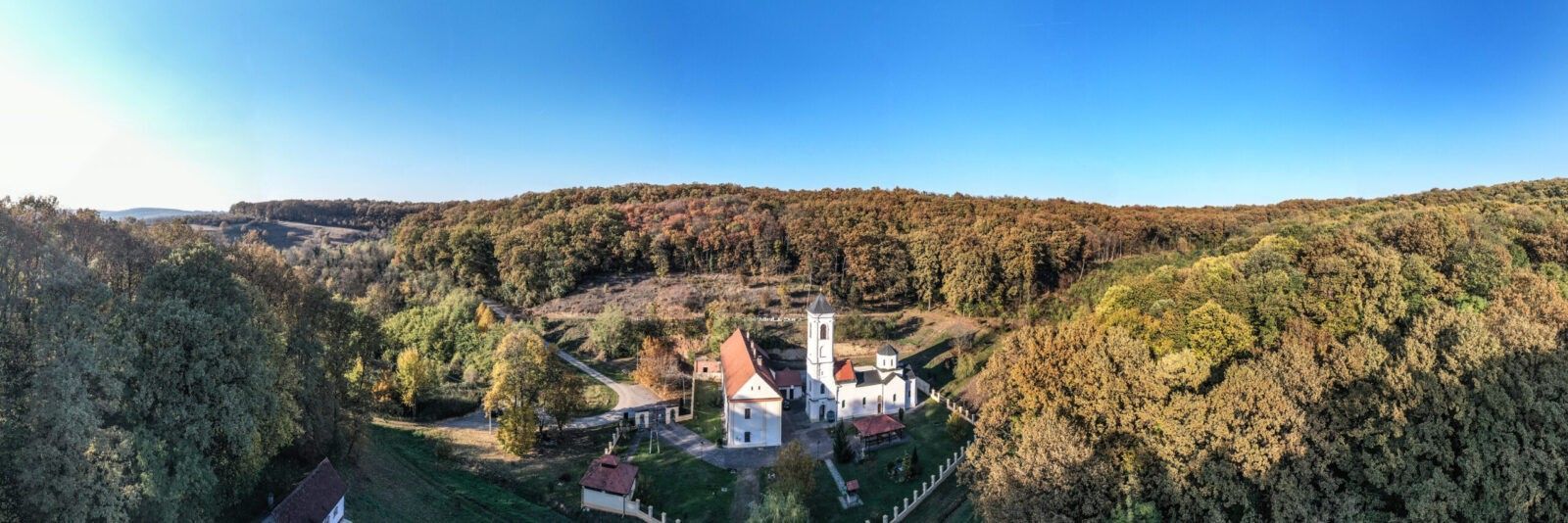
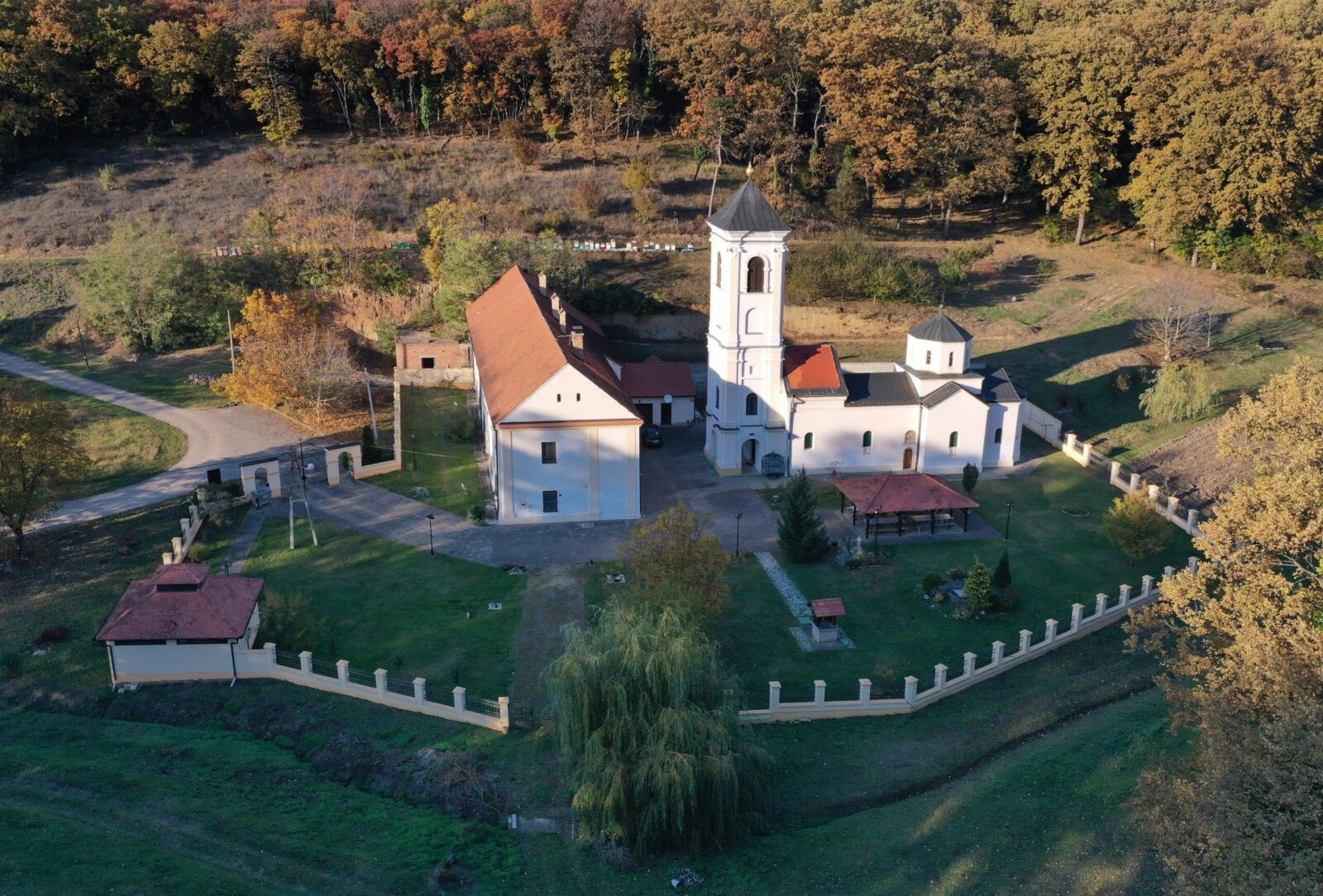
It seems that the Kuveždin administration did not pay enough attention to this outpost, since its future ktetor, Petar Jovanović, said that he had found it in a “lamentable state” in 1734. At his expense, a new shingle roof and larger window panes were soon installed. His statement was enough for the patriarch Arsenije IV to make the decision to separate the two families in 1744, appointing the capable deacon-monk Vasilije (Relić) as hegumen of the independent monastery. The old dormitories were built in 1743 and 1744 they closed the temple on three sides until Nenadović’s visitation committee. In 1753, Metropolitan Pavle (Nenadović) took away the independence of Đipša, declaring it a branch of Kuveždin. In the same year, its single-nave temple with a dome was shown; it was dedicated to St. Nicholas and built from old stone. The narthex and naos of this building were divided by an internal wall. On the lavish altar partition, Teodor Stefanov Gologlavac, master of the so-called “transitional style”, executed 53 icons, signing behind the depiction of St. Nicholas.
During that period, in an underground cave near Đipša, since 1741, Matej “the desert-dweller”, born near Vidin, practiced his asceticism. This unusual, “literate” ascetic, who refused to reveal his father’s name to the enumerators “out of modesty”, spent his life “in virginity and chastity, also in vigils and prayers”. Hermit Matej cut down a part of the forest east of the monastery and planted 2,500 plum and other fruit trees. Thanks to him, the present one-story dormitory was built between 1765 and 1767. The most important construction project in Đipša was carried out between 1762 and 1764, when a bell tower was added to the temple and the inner partition was removed. Also, the southern door was added and the windows were additionally expanded. During the next renovation, in 1821 and 1822, the dome was replaced and the tower was decorated.
Suffering and renewal
By the middle of the 19th century, the temple had already fallen into disrepair, so it was renovated again in 1891. From 1914 after the last common archimandrite of Kuveždin and Đipšan, Georgije (Marjanović), left for Carlsbad, the monastery became deserted. Hieromonk Pantelejmon (Lazić), the latter hegumen of Šišatovac, revived Đipša only in 1922. Under his administration, not only the temple and the dormitory, but also economic buildings were renovated and a school for the village children was founded. After a short period of independence, with its hegumen’s departure in 1931, Đipša returned to the administration of Melanija (Krivokučin), the hegumen of Kuveždin. After Pantelejmon (Lazić) the pyramidal roof remained, installed instead of the tall baroque cap.
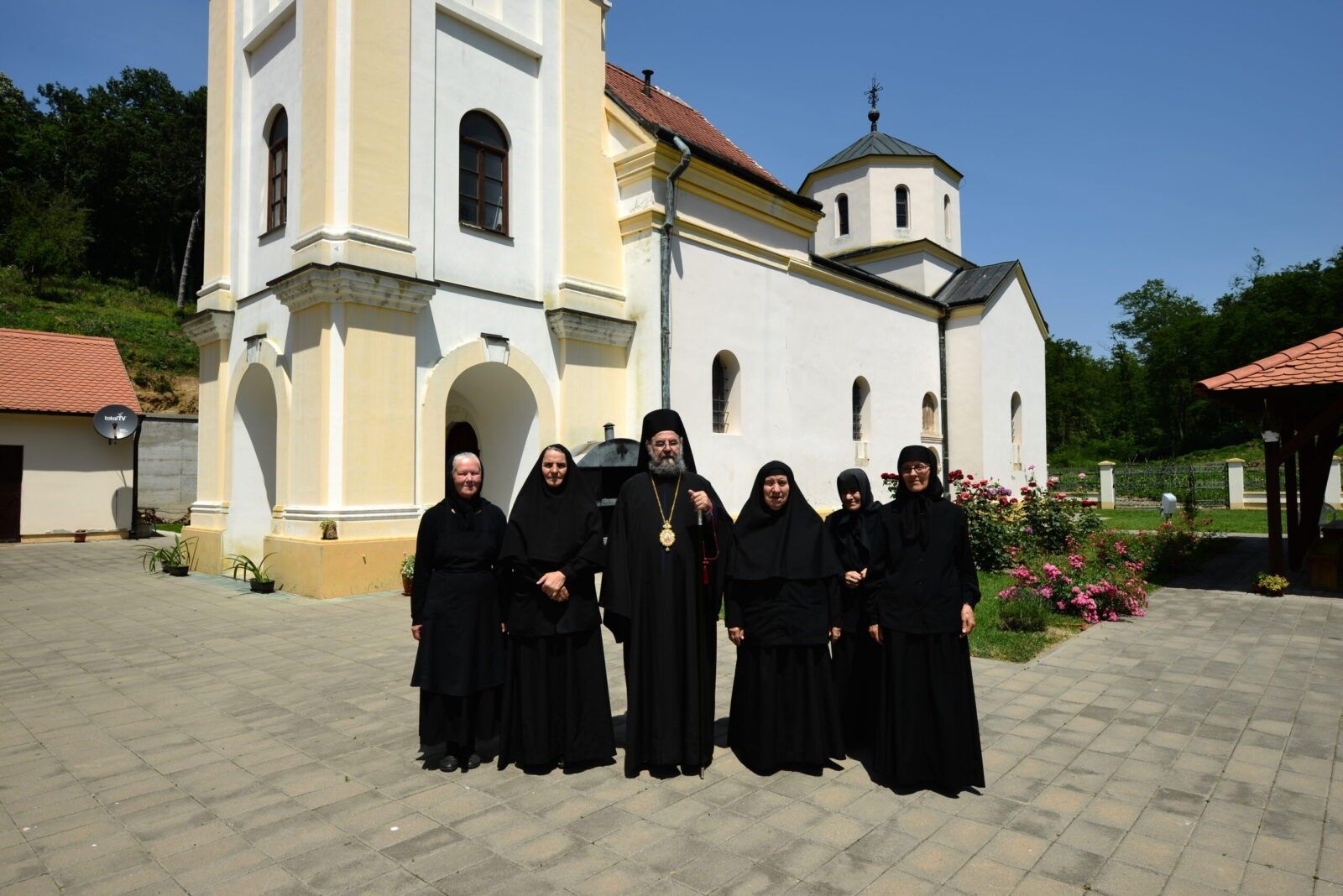
In the Second World War, the monastery was emptied, demolished by explosive mines and set on fire. Due to the severity of the damage, the tower had to be demolished in 1952. Thus, the centuries-old rhythm of prayer fell silent and Đipša laid in desolate ruins for decades, until, it was turned into a resort for children from Bačka Palanka a little later. The first nuns, who returned to this holy place on Christmas Day in 1978, were hegumens Evlavija (Poznanović) and Justina (Simić), who, by the year of 2011, managed to achieve a truly magnificent restoration of this place of worship that had suffered so many times.
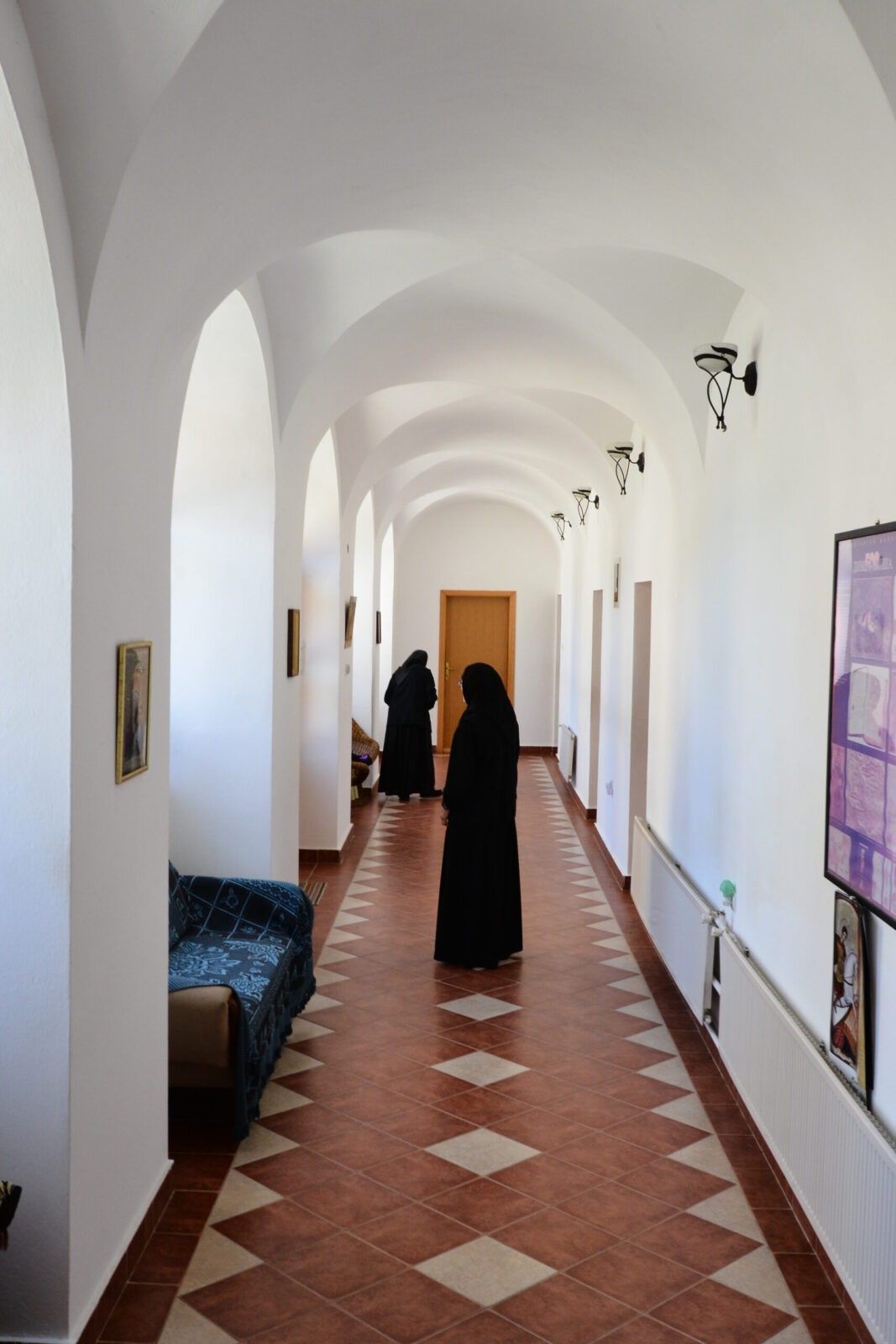
In the last two decades, by 2006, the demolished bell tower was built, the dormitory and the temple were reconstructed with the great help of the ktetor and competent institutions. The roof and the facade were repaired and new joinery and gutters were installed. The painting in the temple was executed in 2009 by an academic painter from Leskovac, while the iconostasis was painted in the Belgrade studio “Minić”. There are no holy relics in the monastery, nor significant antiquities, except for a few icons in the dormitory, such as the depiction of St. Nicholas, which was painted in 1897 by Lazar and Vema Živić. Above the southern door of the temple there is a fresco of the Holy Father Nicholas, above which reads “1822”, which is the year in which one of the major renovations of this holy place was carried out. The hermit Matej, who “lived to be 78” and “passed over” on July 27, 1765, was buried in the vestibule (narthex) of the temple. Next to the grave of this exemplary monk stands a monument decorated with the coat of arms of the “noble-born family” Stoićević from Neštin, under which lies Stefan Stoićević, count of Srem, who died in 1765.