

Kuveždin monastery




First mentions and early history
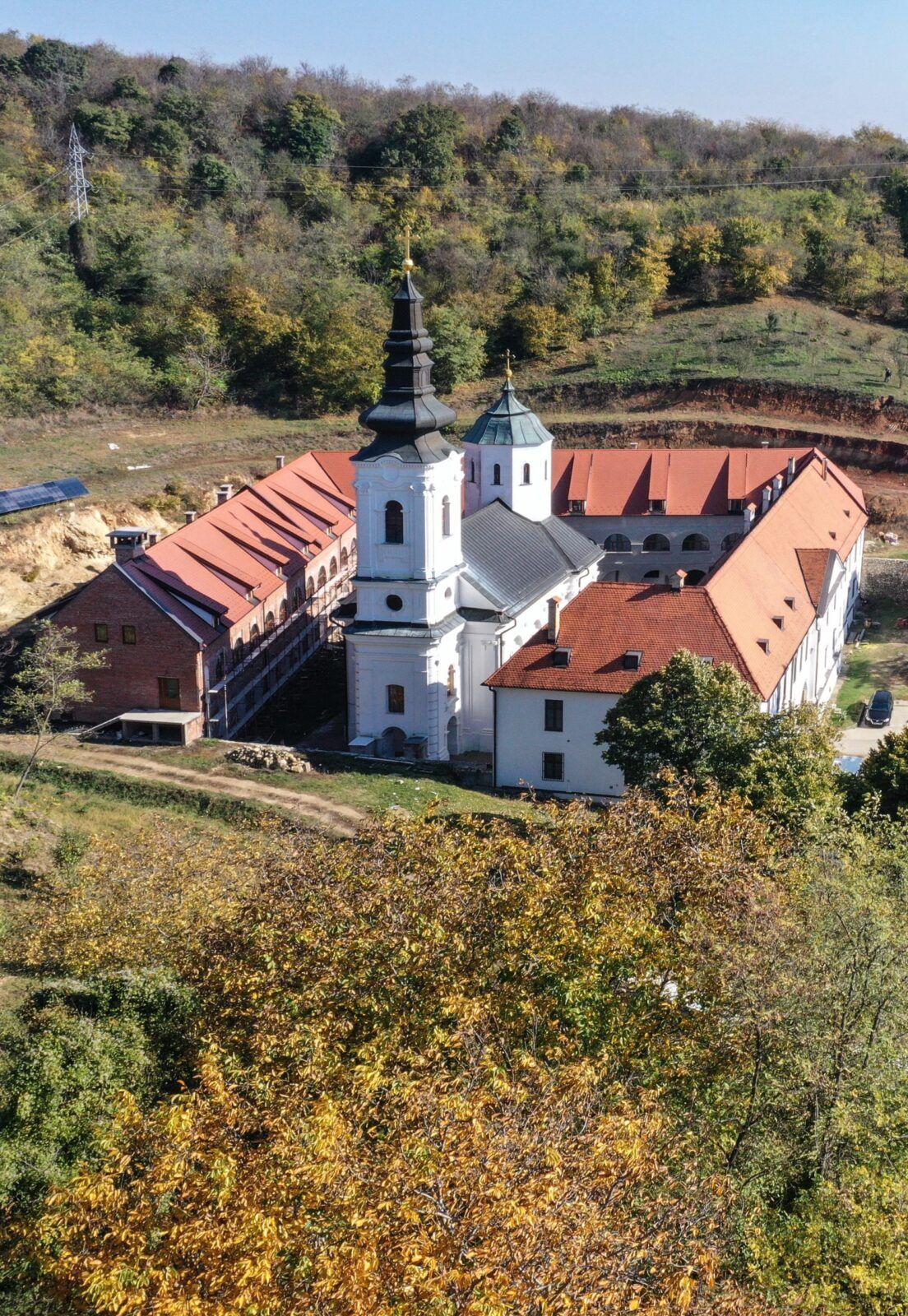
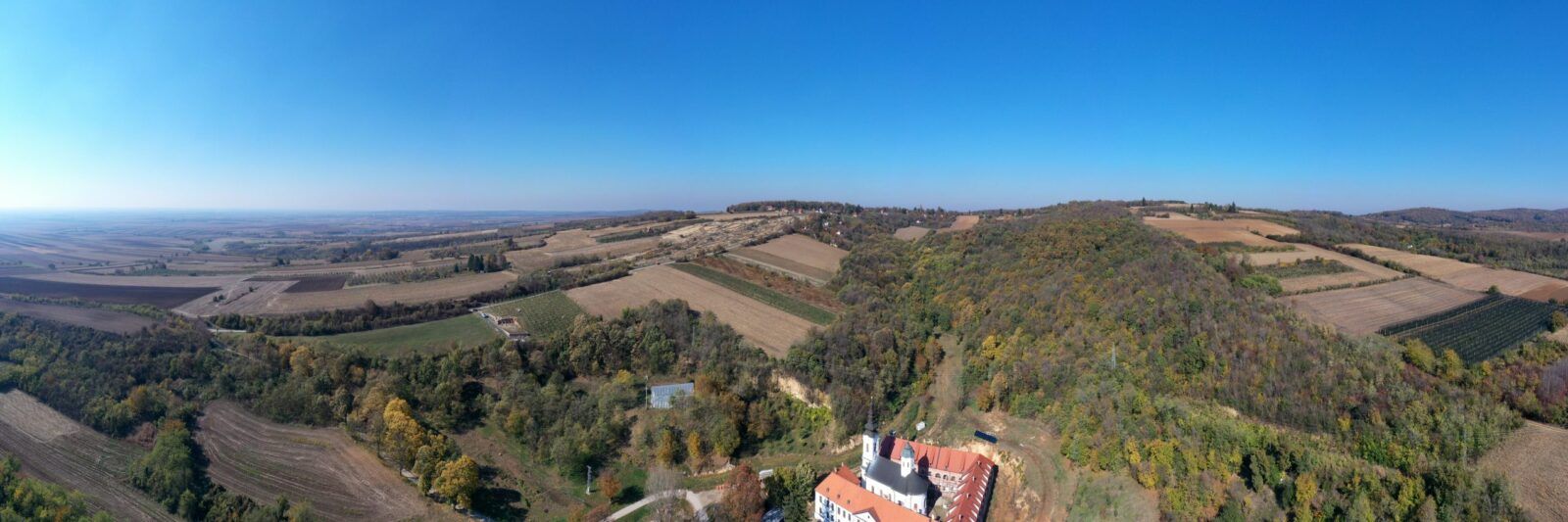
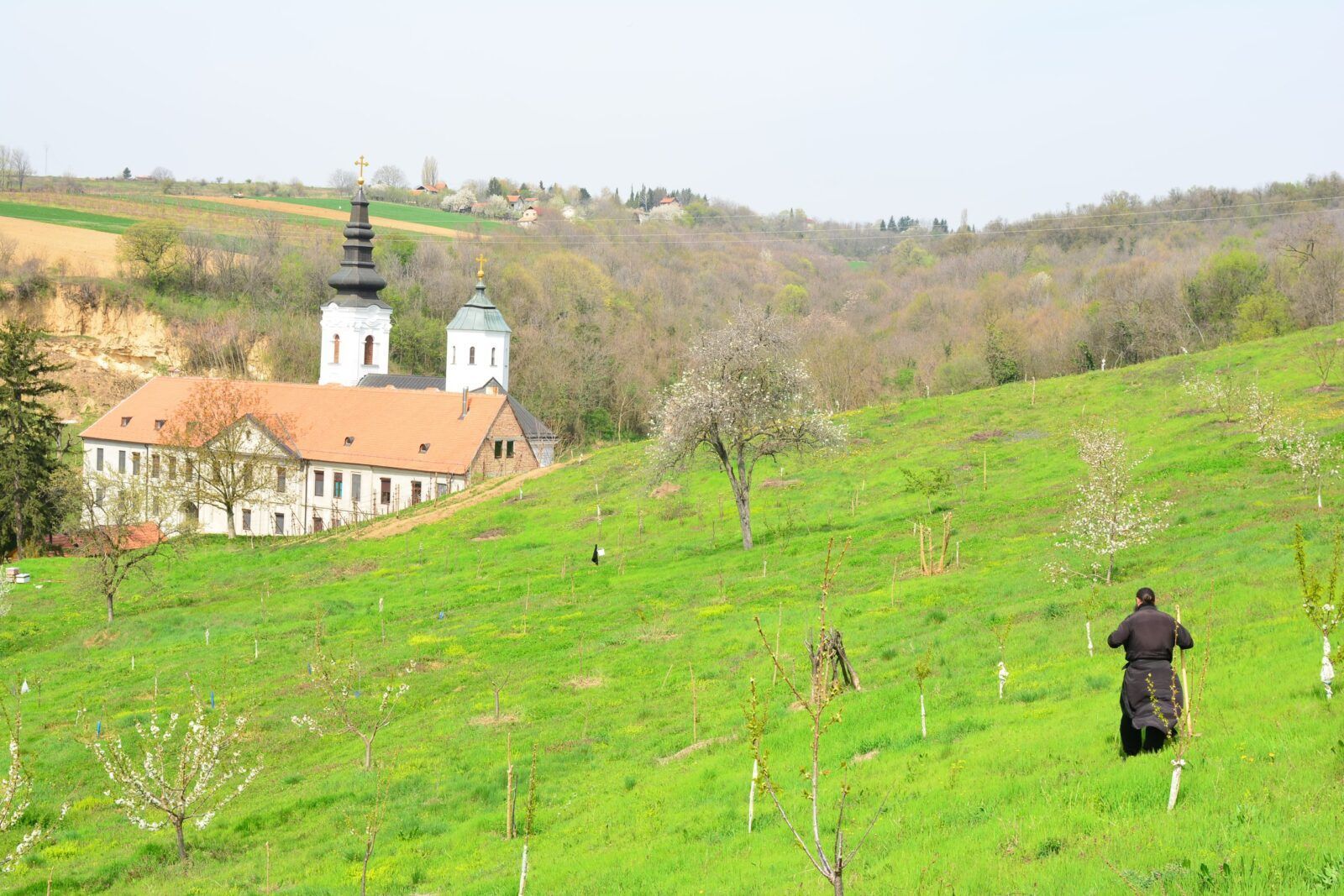
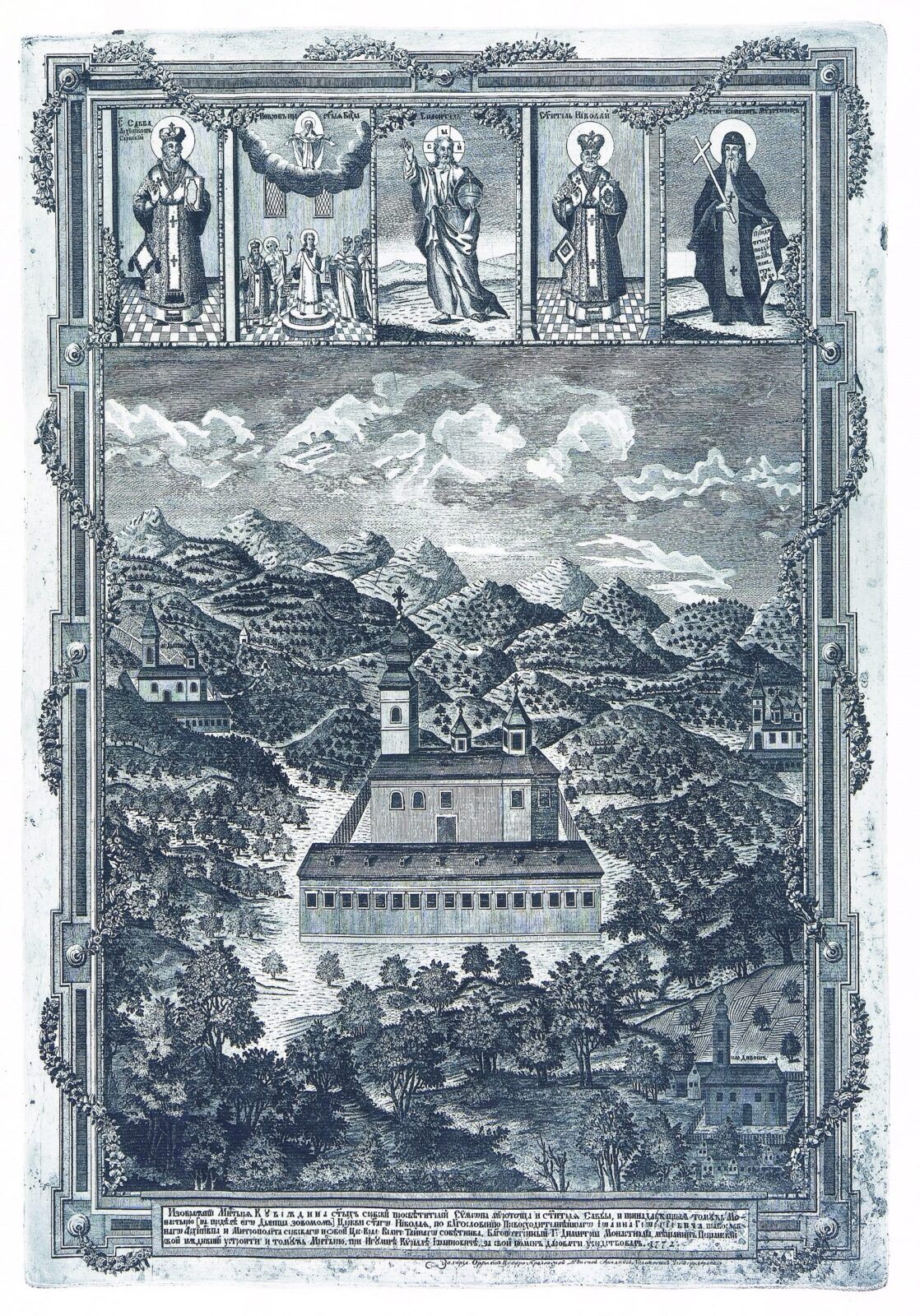
The Kuveždin Monastery, dedicated to Saint Sava, was built by Saint Stefan Štiljanović in 1520, according to the lore recorded in the manuscript “Words of Saint Jeronim Sirin” from Šišatovo. His name appears relatively often in sources from the 16th century. In 1569 and 1593, “Menology for the month of June” and “The Life of St. John Chrysostom” were transcribed in this monastery “under Hegumen Stefan”, and it is also mentioned in Turkish cadastral registers from 1566-1569, 1578 and 1588-1595. It is possible that it fell into disrepair around 1650, after Sinan-bey, in search of the timber needed to build his new residence in Mitrovica, began the demolition of Kuveždin and Petkovica. It is known that the Metropolitan of Belgrade saved the Orthodox holy places from savage destruction, obliging them to pay an annual tribute of one hundred groschen. However, there is no news about the duration of the Kuveždin family until the Great Turkish War, when monks from Vinča and Slanci, monasteries near Belgrade, settled there. At that time, Kuveždin, together with its parent Šišatovac, represented a unique property entity, which was divided only in 1717.
Temple and the dormitory
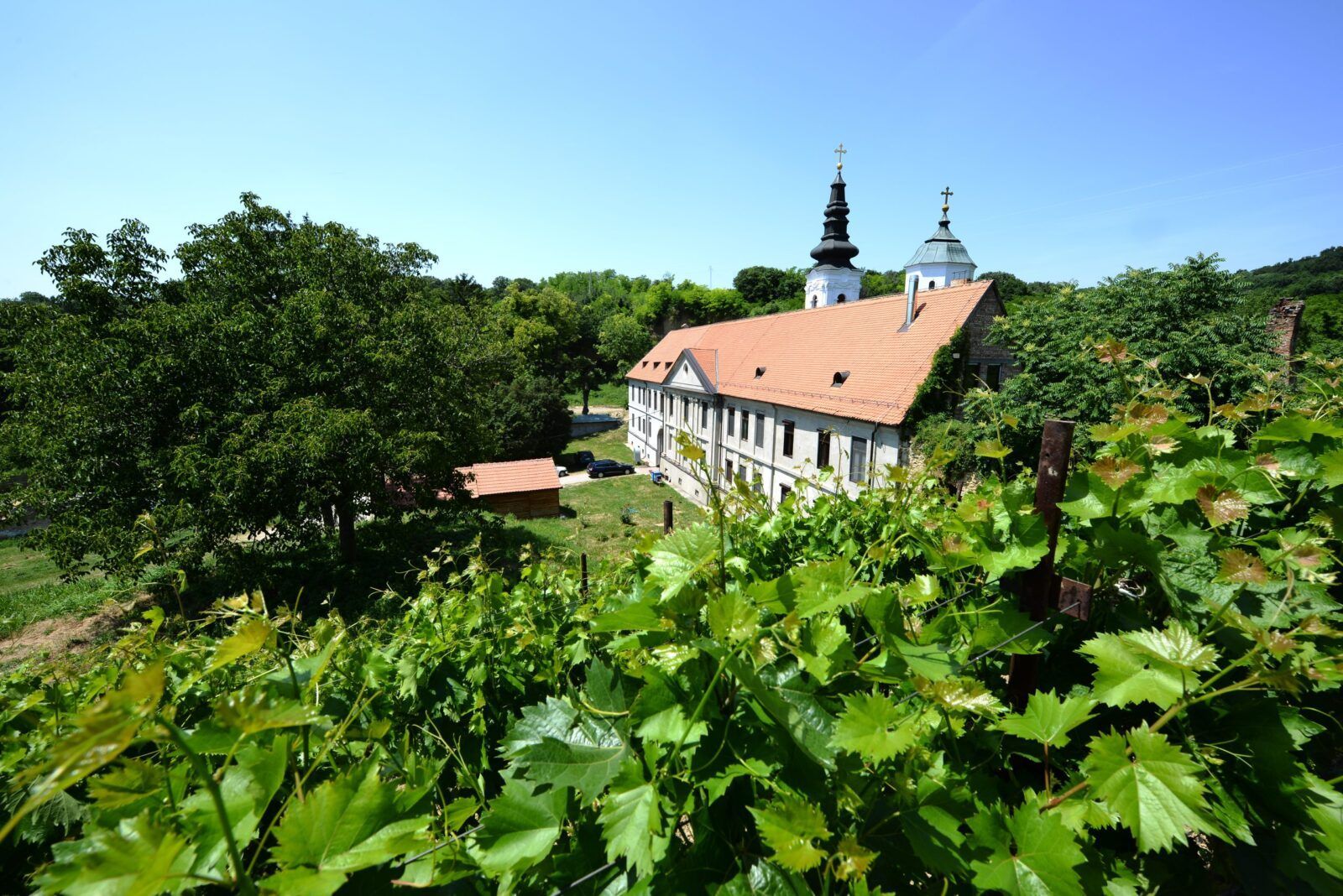
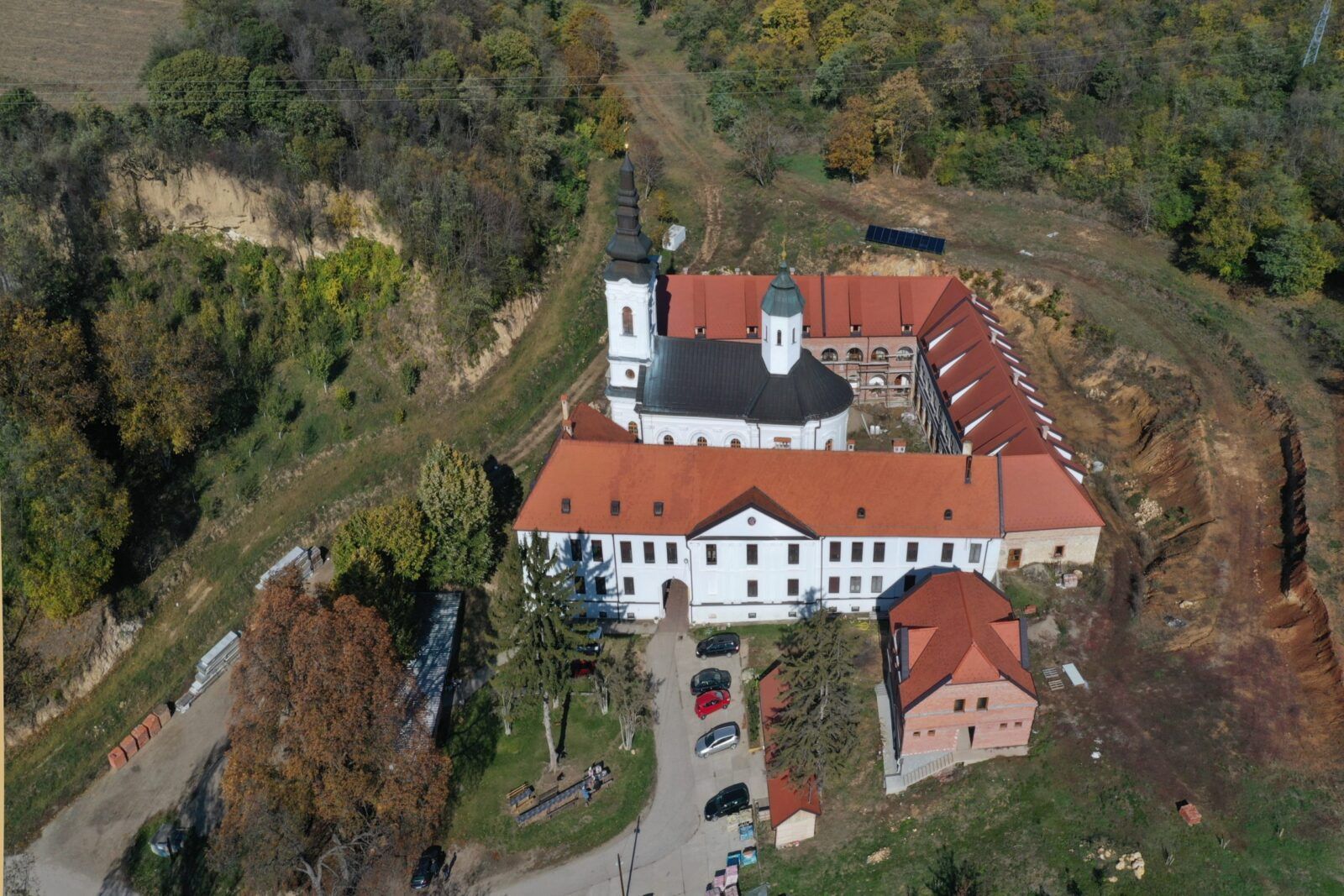
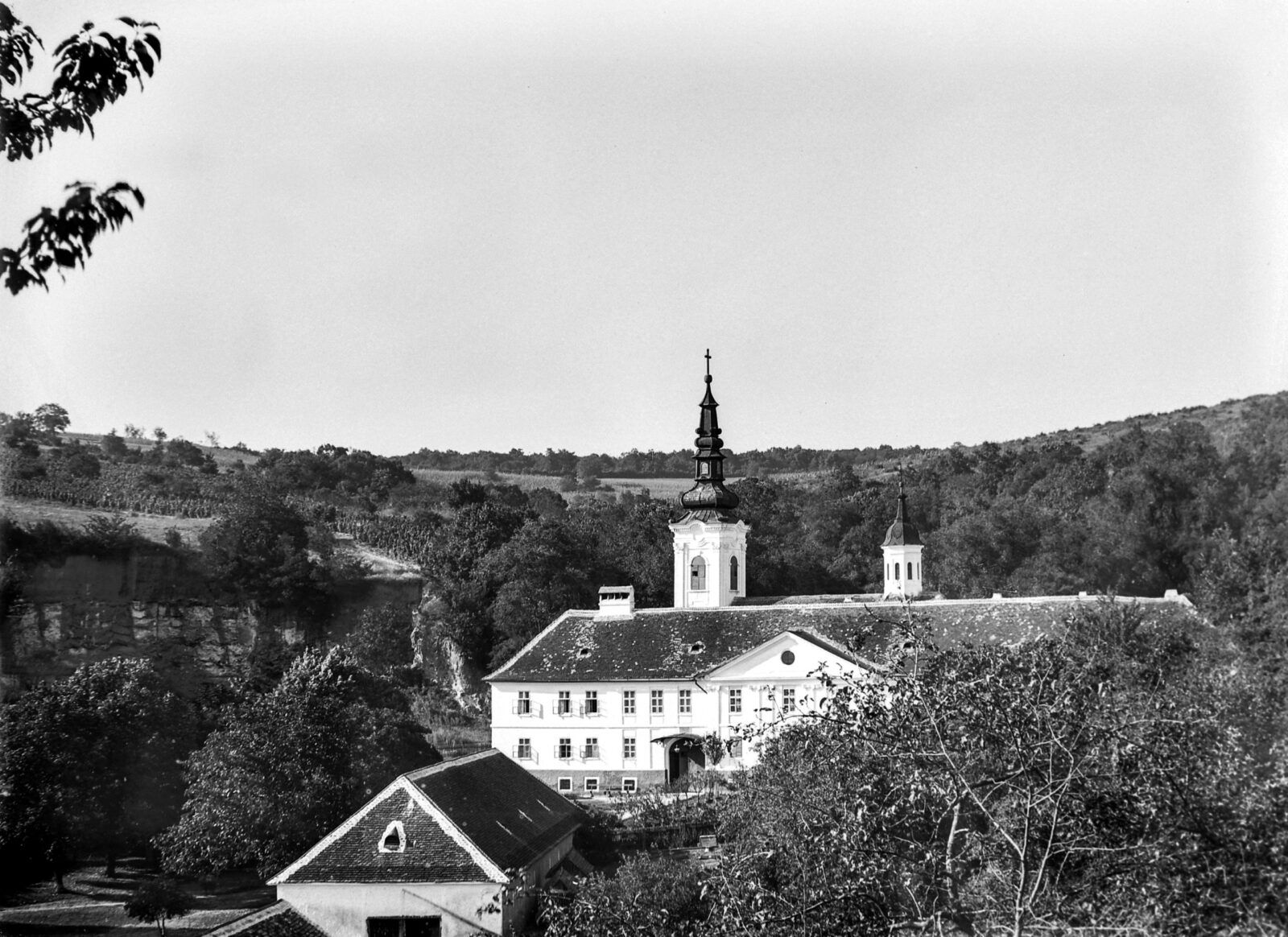
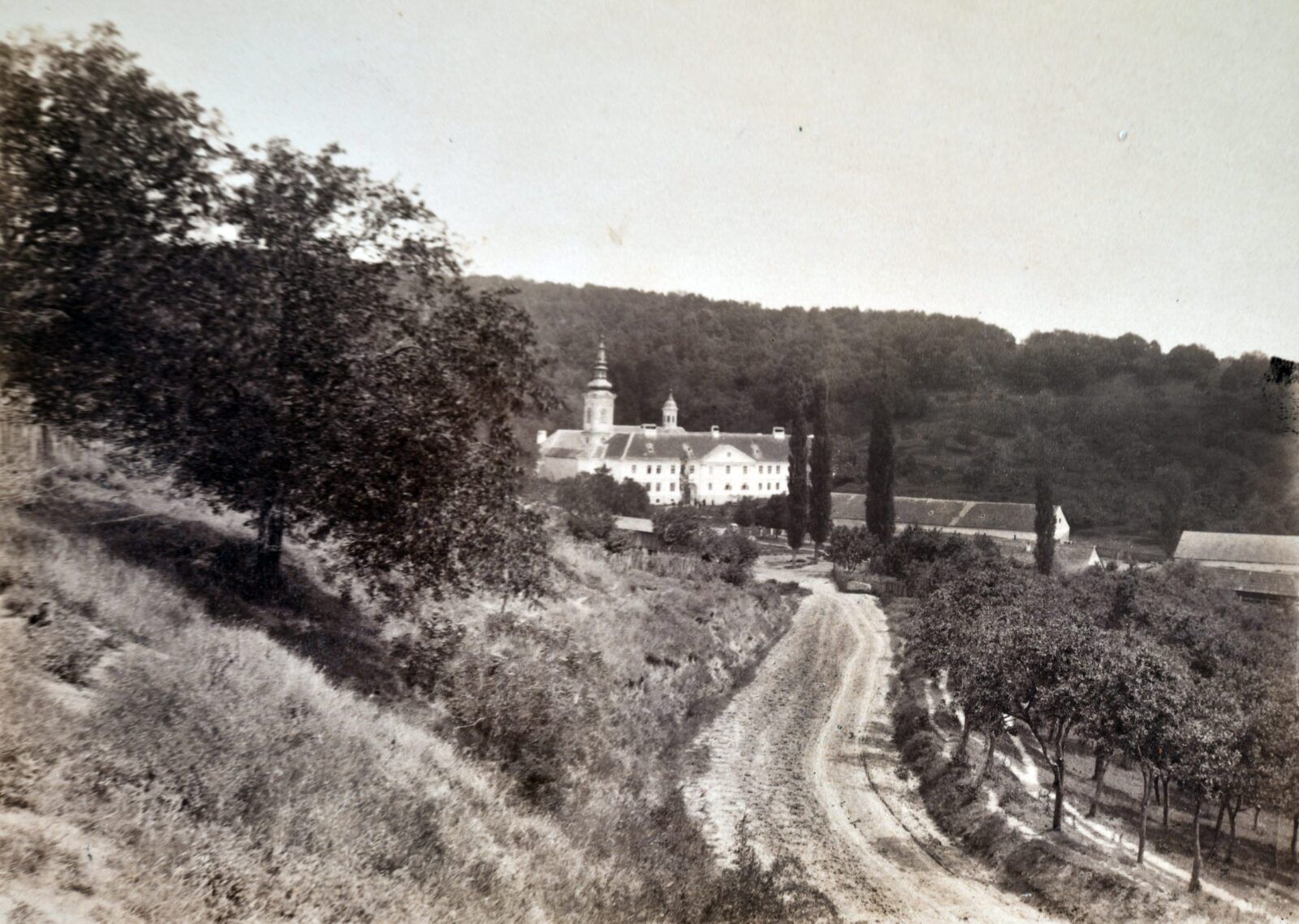
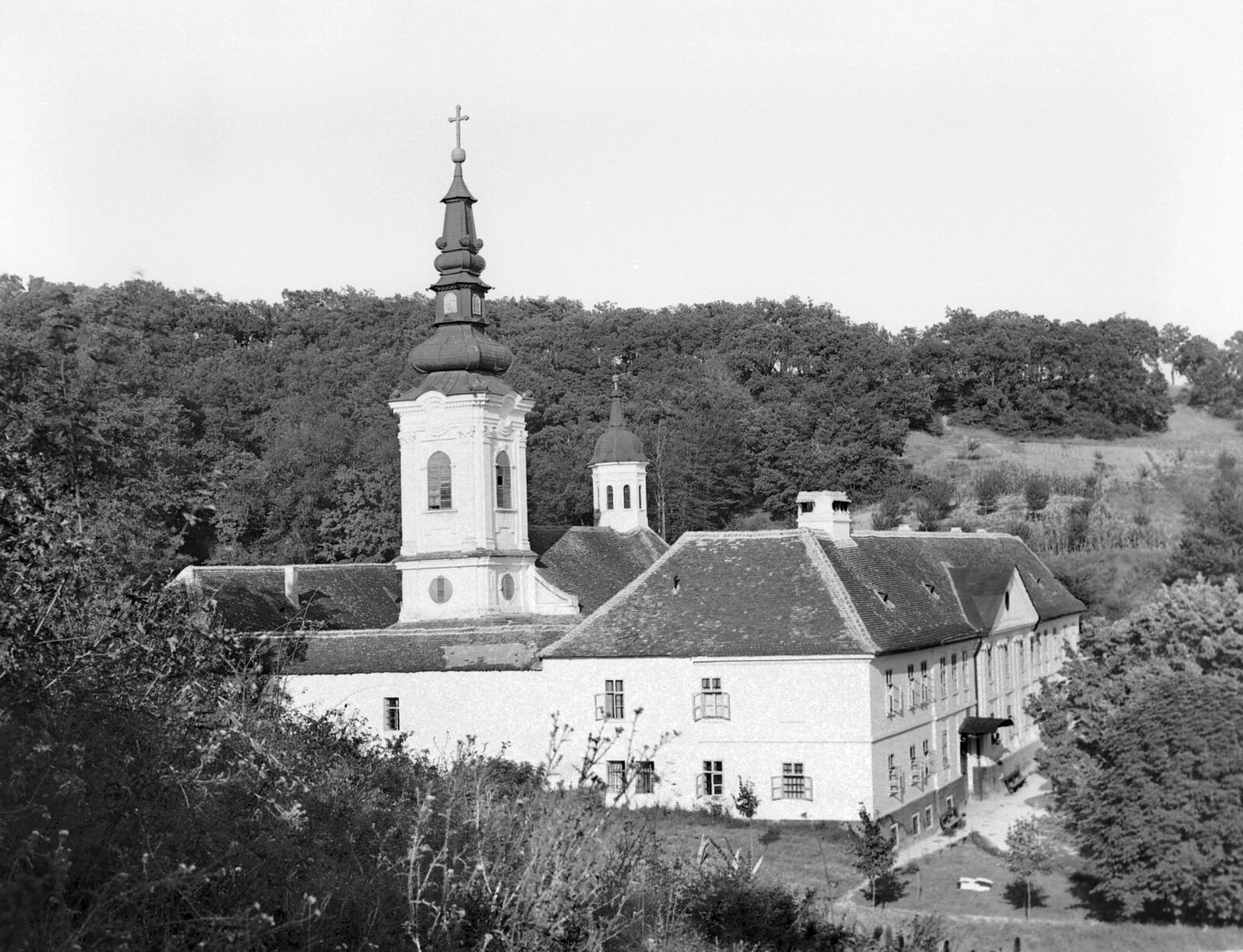
The oldest reliable information about the original Kuveždin buildings comes from the “Description” from 1753, which mentions a single-nave stone temple, with a bell tower and brick floors, a narthex, two cubicles, six windows and a roof made of oak shingles. The dormitory was renovated for the first time in 1741, thanks to the contribution of “Lord Jakov Vlašić from Divoš”. At that time, it extended only from the north and south sides of the church and in 1754 it was completed by Metropolitan Pavle (Nenadović), who contributed the money needed for the decoration of the dining room and its roofing. The works on the eastern wing were recorded in the “Description” from 1771, while the data a year older name Aromanians from Karlovci, Kosta Zmejanović and Georgije Nikić as the craftsmen employed. In the first half of the 18th century, reliable sources mention hegumens Neofit, Sofronije and Vasilije. The iconostasis of the old church of Saint Sava was painted in 1772 by Janko Halkozović. It is also interesting that the patriarch Arsenije IV, dissatisfied with the order in Kuveždin and Đipša, intended to renovate them as metochion of Hilandar, however, at the pleas and complaints of the monastic families, he gave up on this intention. In 1778 and 1779, approximately three hundred meters from the monastery complex, in the monastic cemetery, Hegumen Jeftimije (Kotorovski) and the parish priest of Divoš Maksim Ignjatović built a smaller one-nave chapel. The vaulted porches were built until 1780 and the impressive classicist facade of the southern dormitory and part of the eastern wing were completed until 1810.
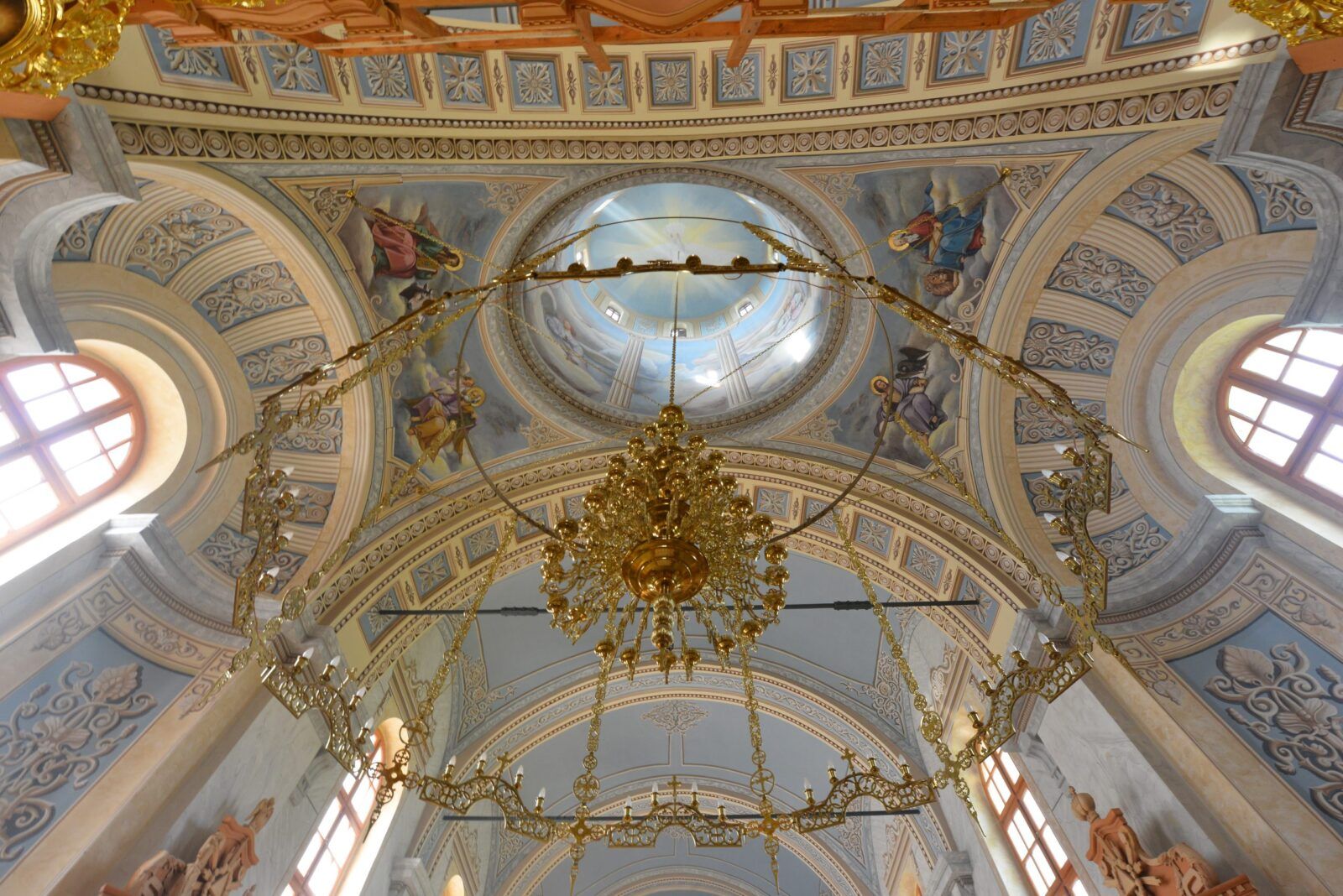
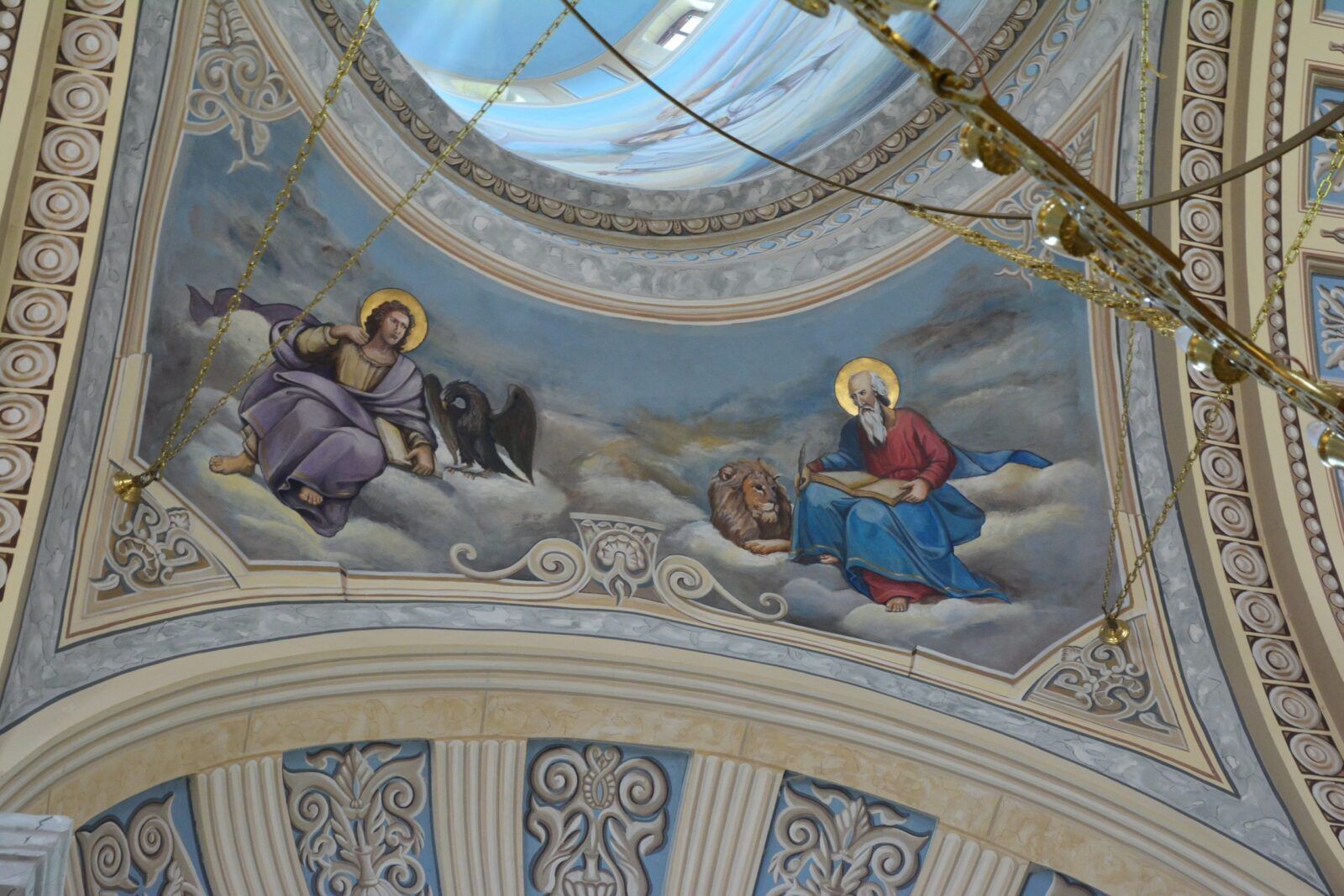
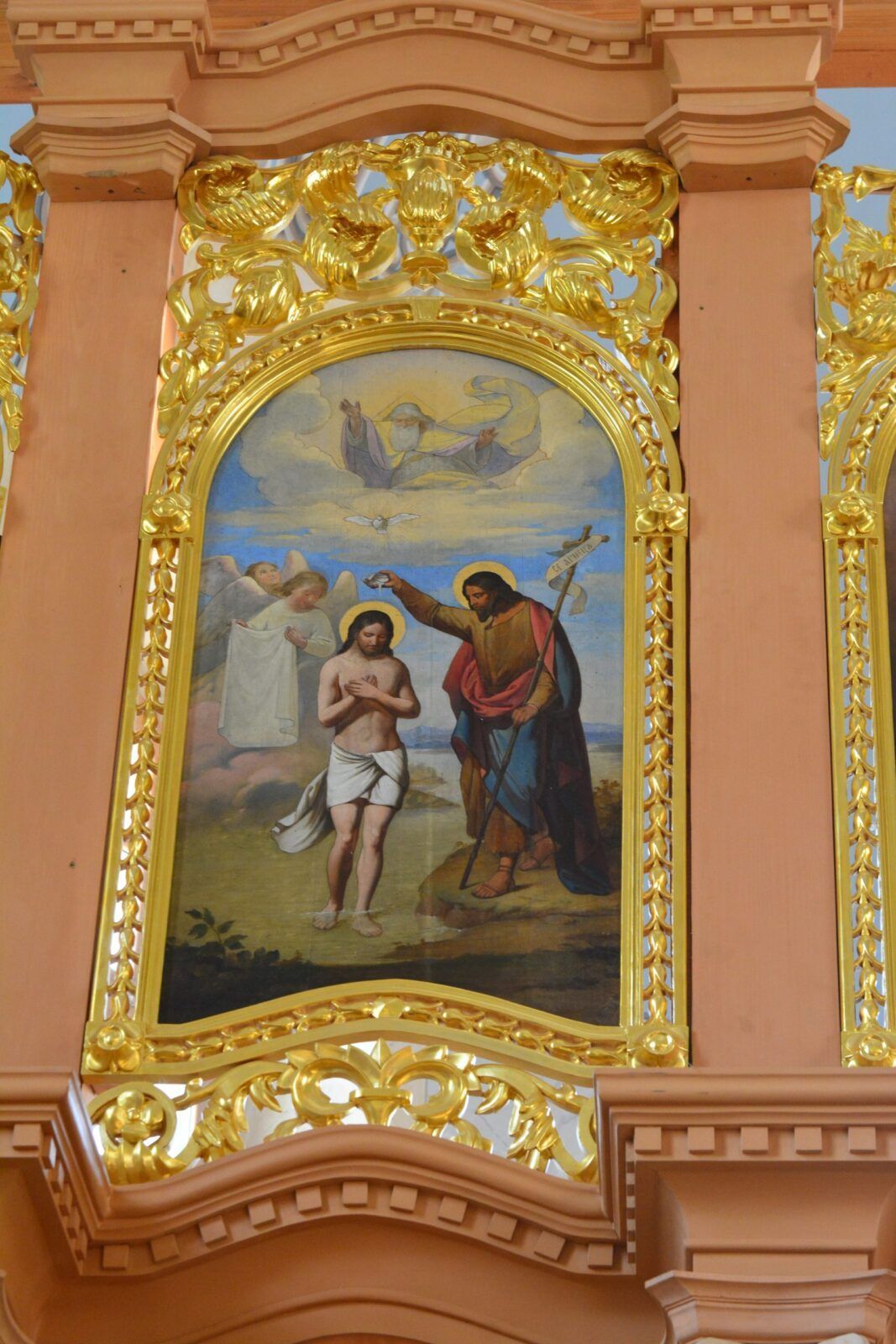
On the site of the old place of worship, from 1803 to 1816, during the administration of Metropolitan of Karlovci Stefan (Stratimirović), along with the efforts of Hegumen Genadije (Kirilović), “bricklayer” Matijas Šmidinger built the current bell tower and baroque temple, decorated with distinctly classicist details. The church was painted during the time of Patriarch Josif (Rajačić) and Archimandrite Nikanor (Grujić), from 1849 to 1854. Pavle Simić, painter from Novi Sad, created an iconostasis and nine wall compositions with scenes from the life of Saint Sava (“Saint Sava Goes to Mount Athos”, “Tonsure of St. Sava”, “Saint Sava Reconciles Feuding Brothers”, “Death of Simeon the Myrrh-bearer” and others), and it was in this sanctuary that he arranged the preparation of the famous “May Assembly, 1848” with the educated Nikanor (Grujić).
Treasury of the Monastery
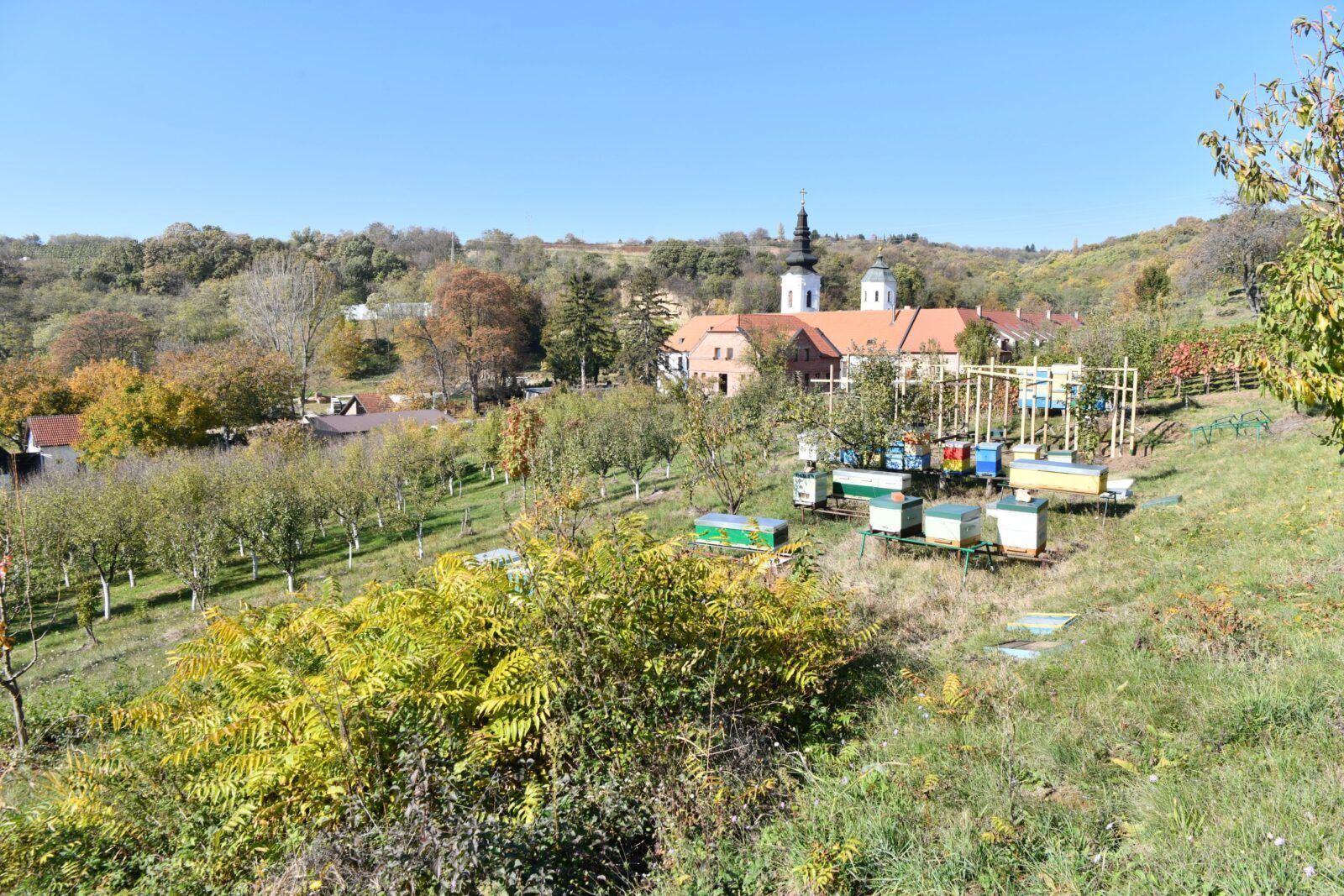
In 1905, Mata Kosovac noted that Kuveždin has “beautiful antiques” and a library of 469 works, including 15 manuscripts and four printed books. A chalice made of pure silver, made in 1559, a gift to the Mileševa Monastery by Emperor Ivan the Terrible, was stored in the treasury. The property of this monastic family spread over 1,439 acres.
Sufferings and renewals
More comprehensive renovations of the listed buildings were initiated in 1852 and 1900. Several Russian nuns settled in Kuveždin, after the outbreak of the October Revolution, and in 1923, it was declared a women’s monastery. After the occupation by the Independent State of Croatia, many monastic families were expelled. The looted Kuveždin was then burned by partisans in 1942, while the Germans and Ustaše bombed it in 1944. Only the unattractive, sooty walls remained of the magnificent temple, and the quarters were turned into a pile of construction material. Academician Medaković wrote that during the destruction of the monastery, the occupying soldiers found one of the nuns carrying heavy icons to the chapel at the monastic cemetery. Although she was killed in her “inspired undertaking”, she managed to save more than half of Simić’s iconostasis from complete destruction. Valuable works of art were taken to the parish church in Divoš.
Despite the lack of basic living conditions, the monastic order was soon restored in Kuveždin. New dorters were built between 1994 and 1997, and some have been built from 2006 until today. The temple was reconstructed according to the designs of experts from the Institute for the Protection of Cultural Monuments from Sremska Mitrovica, together with the local magnificent iconostasis, so it can be said that the resurrection of this monastic family is now slowly coming to an end.