

Grabovo Monastery
A brief history of the parish
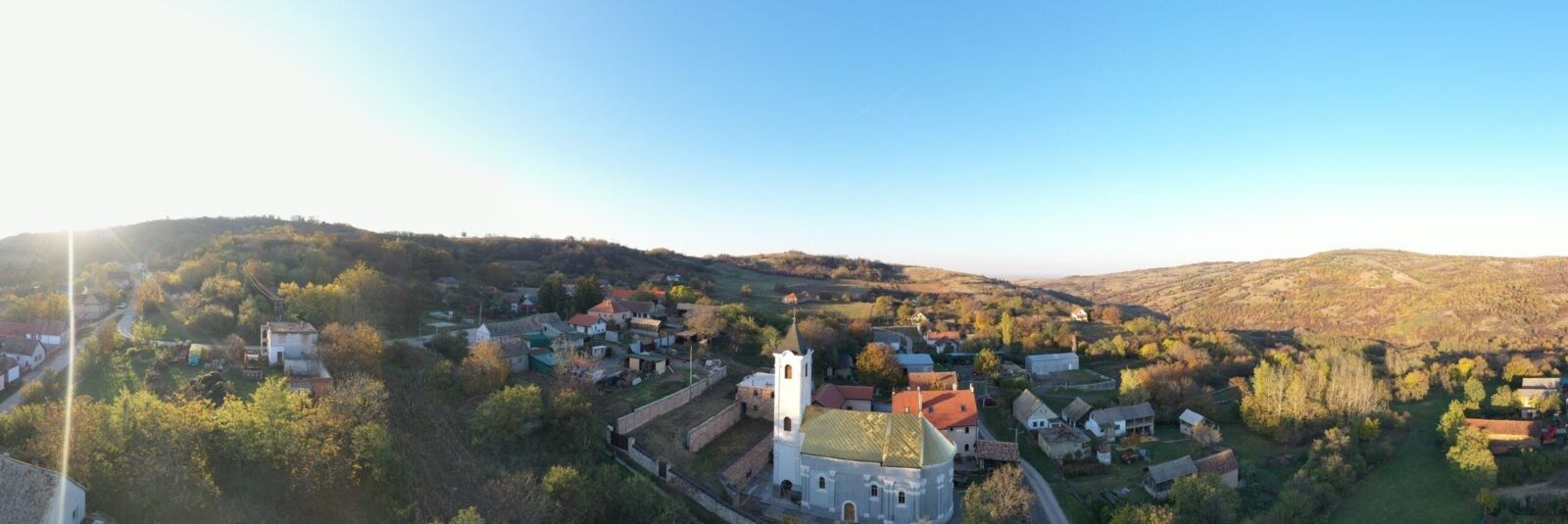
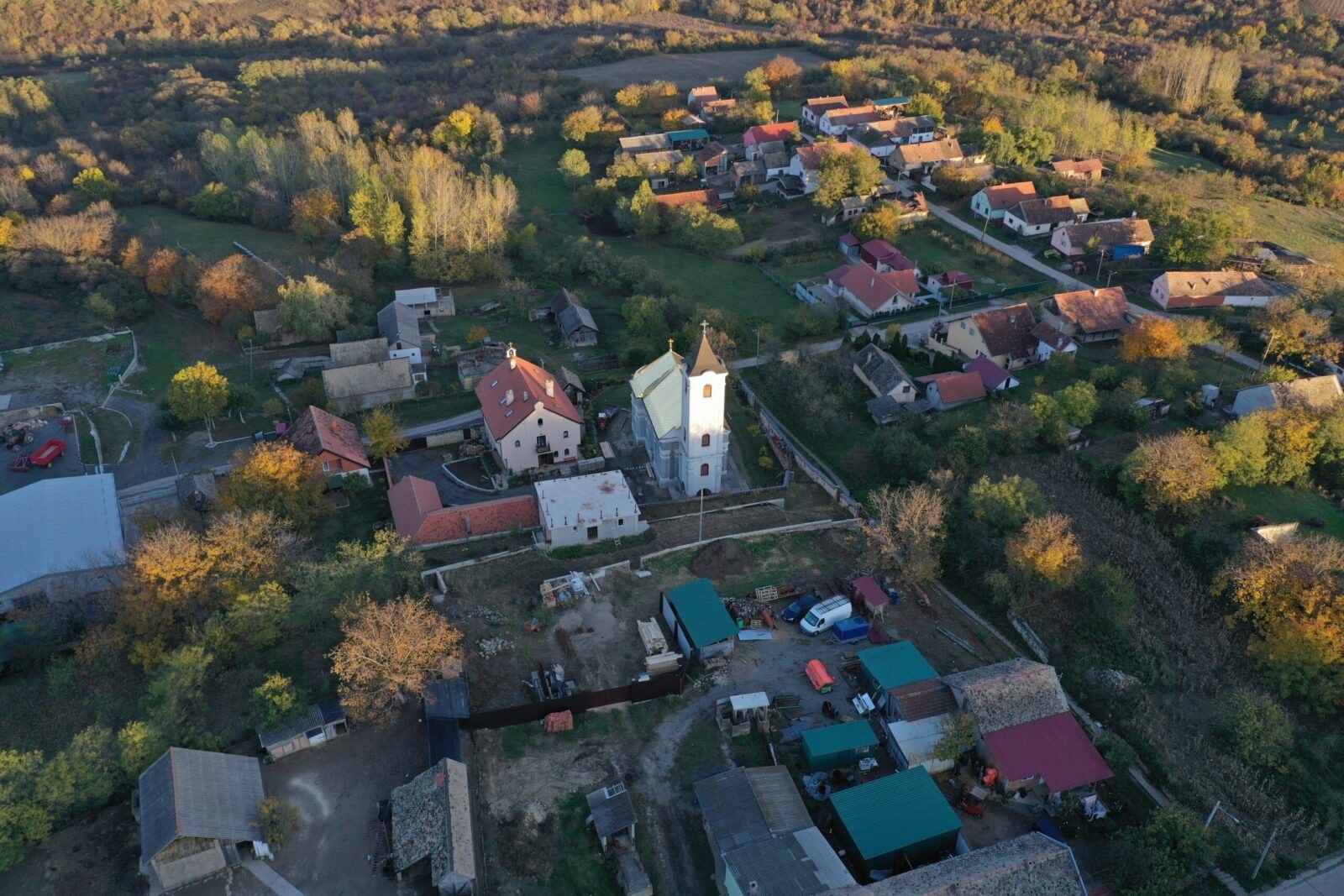
Ever since the first written records, Grabovo was described as a very small and poor place. Since the 18th century, it has belonged to the lordship of duke Odeskalki, and the preserved parish registers testify that it was a Serbian village. Year 1732 notes an attack by robbers on Grabovo, which was in accordance with the deplorable state of public security in eighteenth-century Srem, in which, a year later, only 32 heads of families were listed. This settlement was also gained notice in 1736, during the rebellion against the lease holder of the estate, Marko Pejačević, when the house of the village lord was burned. Since then, the number of inhabitants of Grabovac grew slightly, until the beginning of the 19th century, when it entered a long period of stagnation and decline. During the Second World War, it was completely burned down and the Ustaše killed around 150 people. It was partially restored by the colonization of the population from the poorer regions of communist Yugoslavia. According to the parish priest in charge, it is now “slowly dying”, and a more dramatic depopulation is prevented only by high rate of natural increase.
Parish church
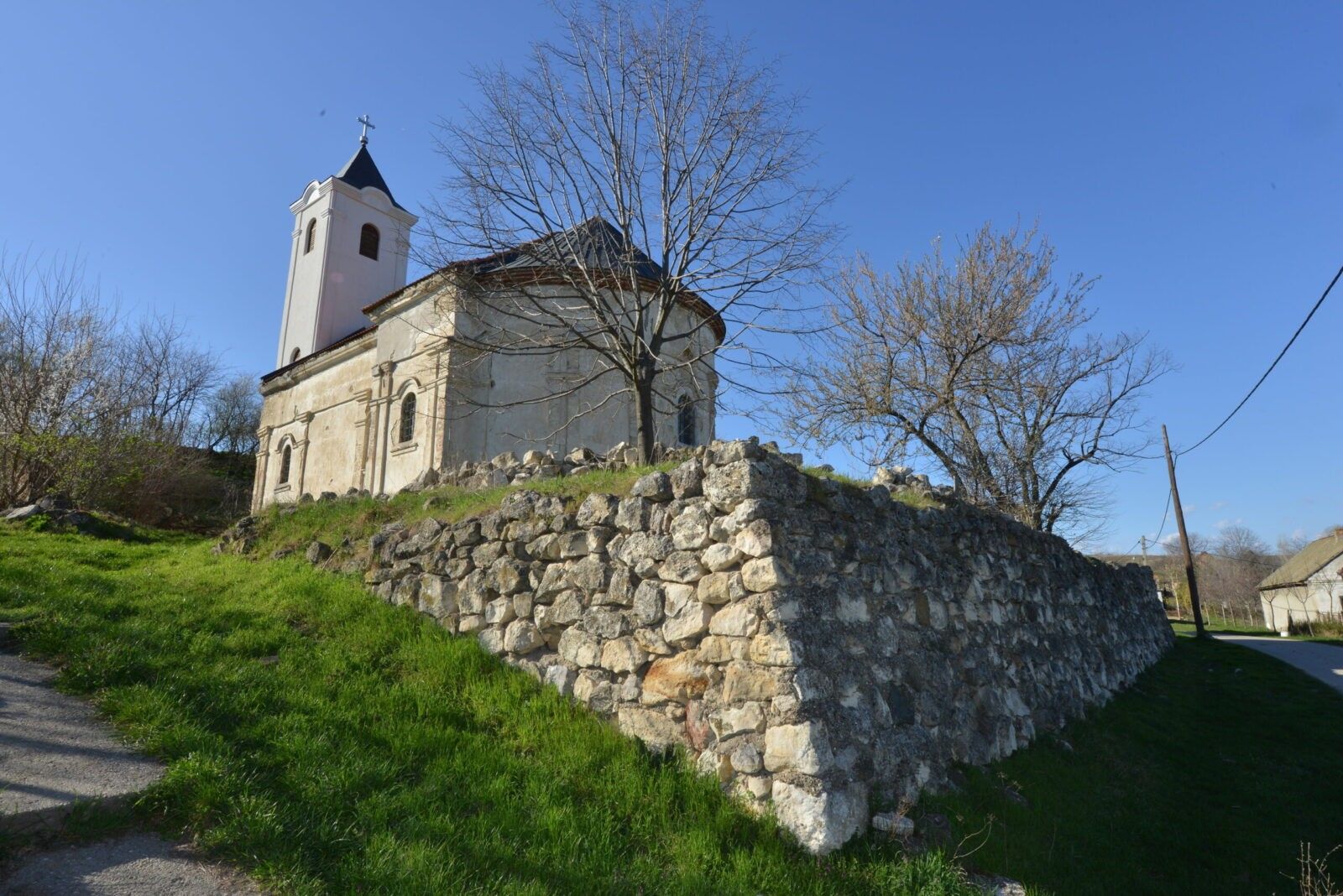
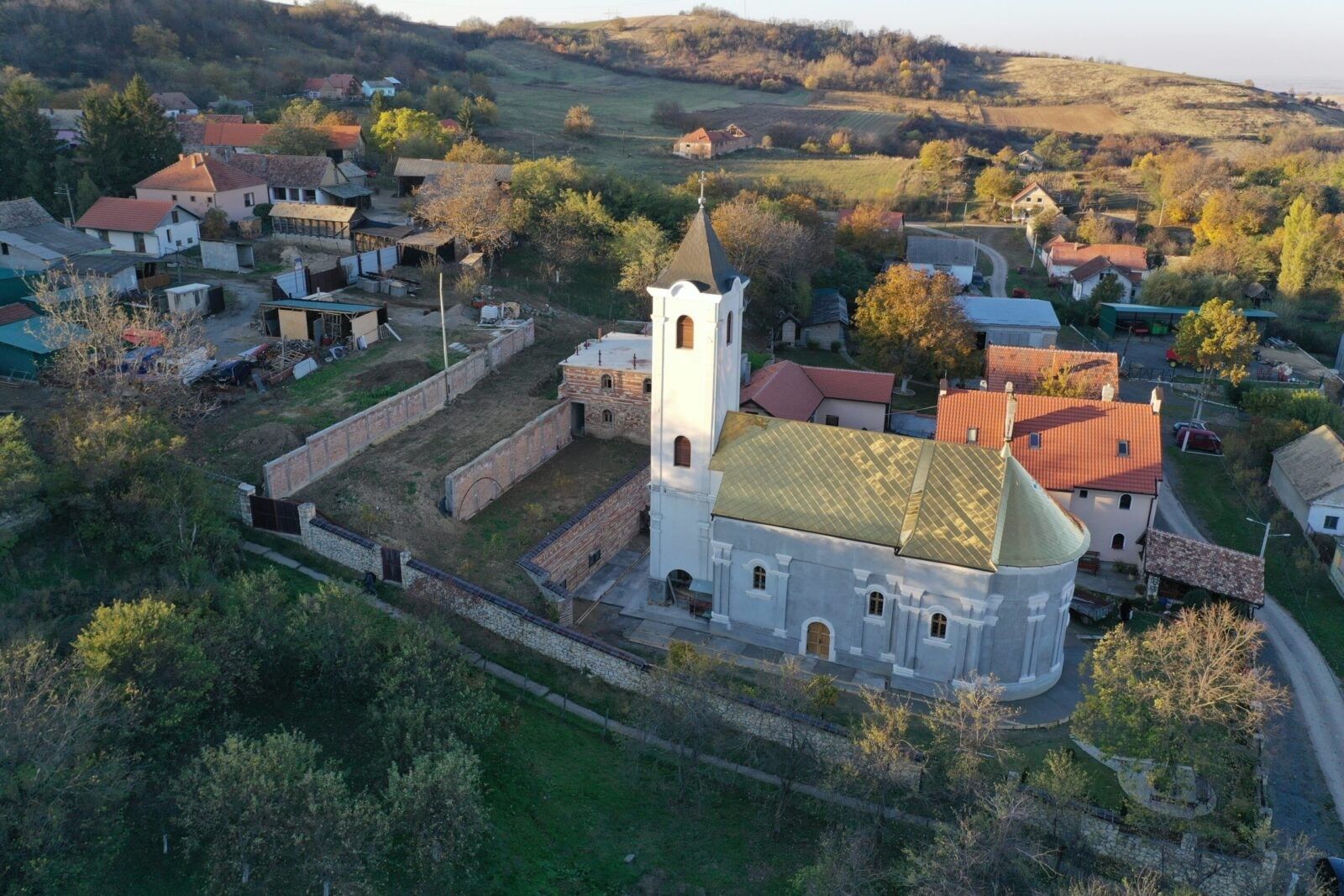
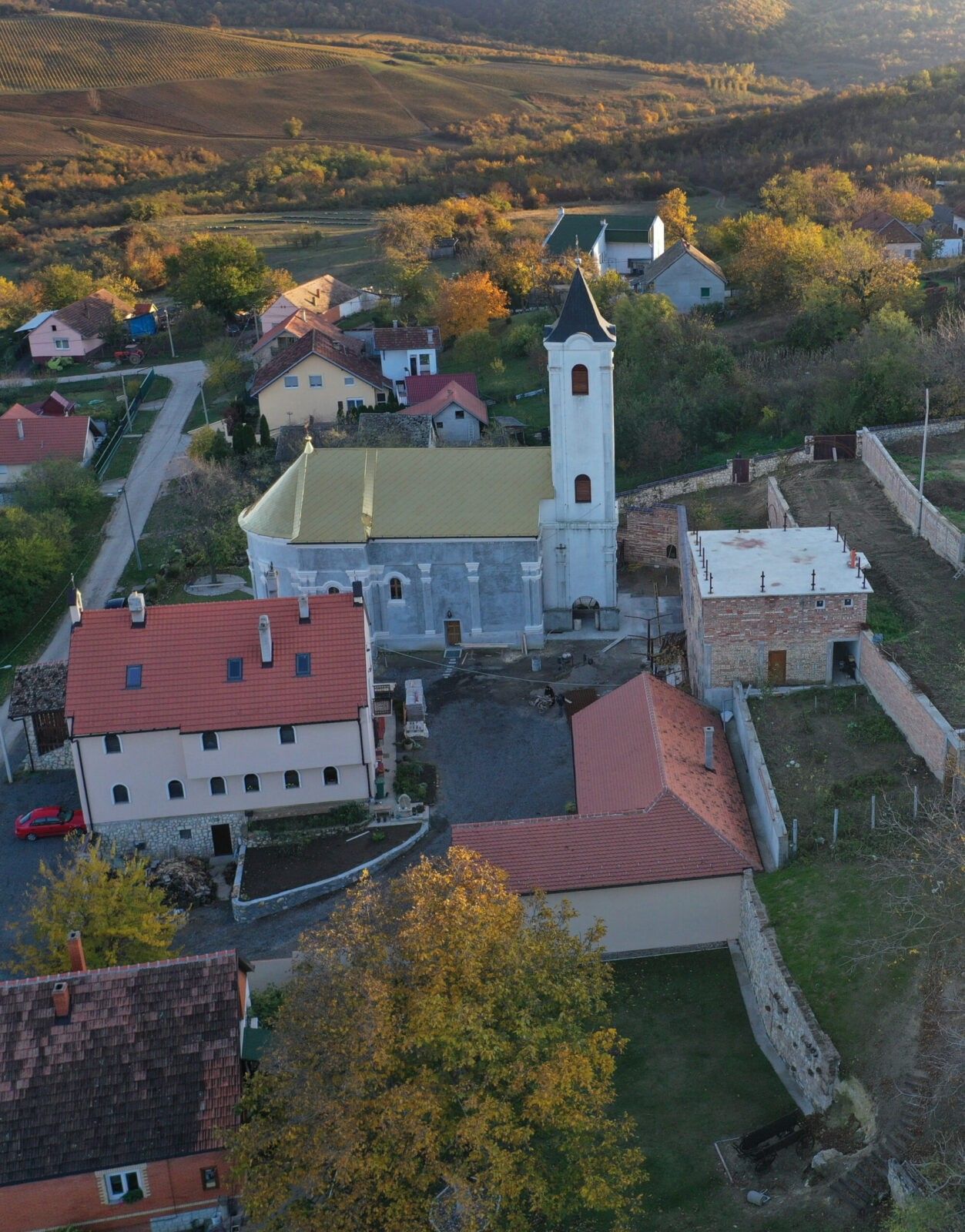
A church dedicated to the Holy Archangels Michael and Gabriel was built in the second half of the 18th century. Although it was not seriously damaged in the war and being placed under the protection of the state by the decision of the Law on Cultural Property (No. 71 from 1994), for more than a hundred years this church has traditionally been in a “bad condition”, as it was characterized in a description by Kosovac, from the beginning of the 20th century. The partial restoration of its exterior was carried out in 1971, during the time of Božidar Šaponja, the parish priest of Banoštor. The aforementioned construction work was carried out by Krsto Gavrić from Tešanj. The severely damaged roof was repaired in 2001 and the dilapidated and rotten structure was replaced. Intolerable leakage was stopped by the installation of sheet metal and roof panels and in 2005, upon the initiative of Mr. Vasilije, the Bishop of Srem, municipality of Beočin provided the necessary funds so that the tower and the altar apse were covered with copper. Unfortunately, the copper was stolen from the roof of the Church of the Holy Archangels in the autumn of the same year. The peak of this building’s deterioration occurred on January 21, 2009, when the worn out bell tower suddenly collapsed. The current tower, built on October 20 of the same year, was consecrated by the Bishop of Srem, Mr. Vasilije. Fortunately, the old bells, with the figures of Saint Sava, Saint George the Great Martyr and Saint Gabriel the Archangel, have been preserved. They were cast in 1925, thanks to the contributions of the faithful farmers of Syrmia, at the time when Laza Lazić was the head of the local church municipality.
The founding of the monastic family and the restoration of the holy place
The beginning of the 21st century found this sanctuary in a terrible state. A wooden structure supported the crumbling vault of the building, preventing it from collapsing to the floor, while the iconostasis was in desperate need of detailed restoration. It is understood that there were no holy relics and other relics in the temple without the antimins, which the priest brought to occasional services. Only the depiction of Christ the Great Hierarch was preserved in the altar apse, while the motif of the Resurrection on the fresco in the prothesis niche was barely recognizable. The altar contained only one chalice and two candlesticks of lesser material value. There are also two visible graves in the churchyard. Under the monument, erected in 1861, next to the church itself, lay the former parish priest of Grabovac and his wife, while the old, faded inscription on the second plaque in the yard cannot be interpreted.
In this parish, the registers of marriages, births and deaths were filed from 1805 to 1809. Before the Second World War, there was also a parish house in Grabovo, which was burned down by the occupying army. The Orthodox cemetery was nationalized and today belongs to the local community. Before the establishment of the Eparchy of Srem in 1947, the religious duties in the village were done by a parish priest, who, due to the poverty of the municipality, was often appointed from the monastic order. In 1910, for example, it was noted that Hieromonk Serafim (Nikolić) had been serving in Grabovo for almost two decades. In accordance with that practice, as well as because of the desire for the inhabitants of this modest and remote village to have a worthy place of worship, the Bishop of Srem, Mr. Vasilije, declared the parish church of Grabovac to be a monastery on June 14, 2016, and then entrusted it to the care of Sava Jovančević, the Archimandrite of Krušedol, thereby initiating the impressive restoration and construction of the sanctuary with the gathered monastic family.