

Mala Remeta Monastery
First mentions and early history
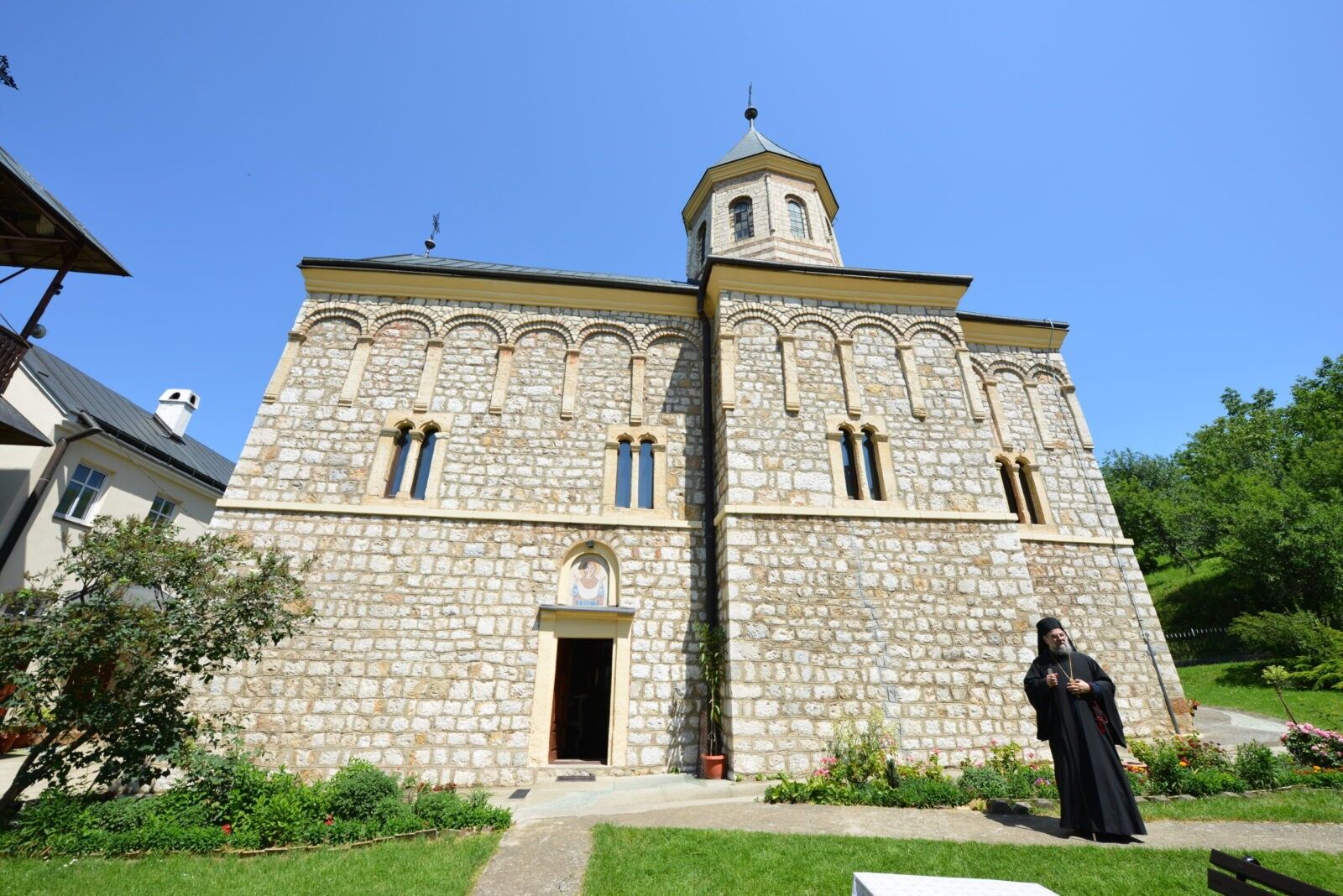
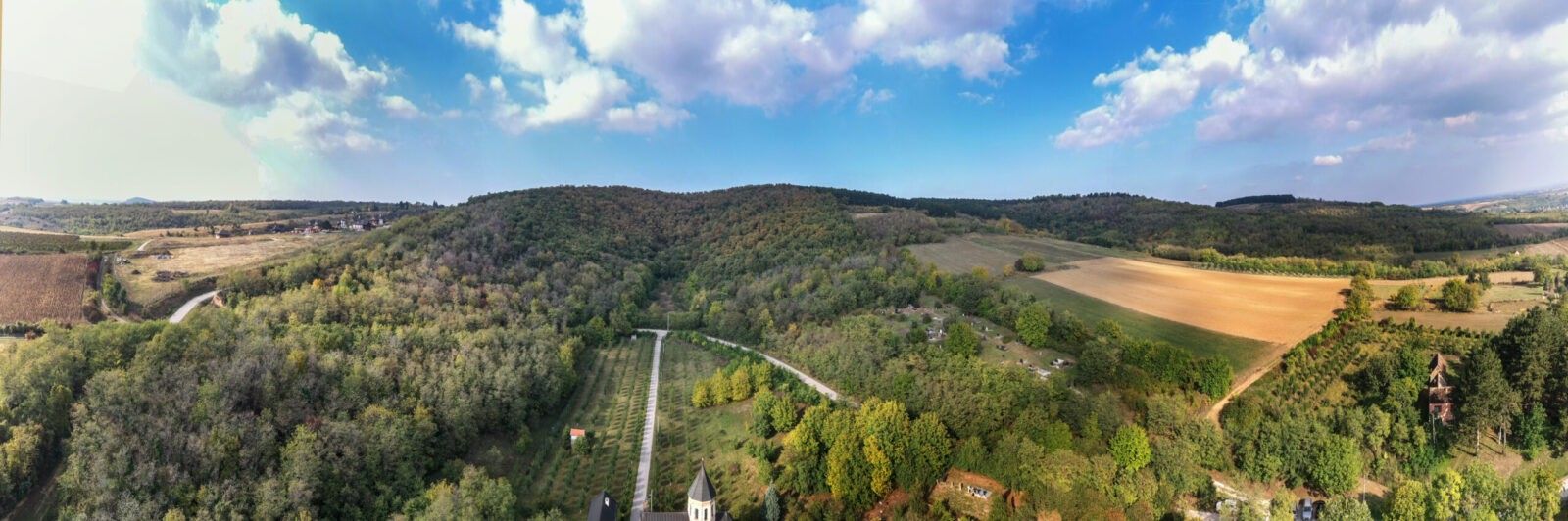
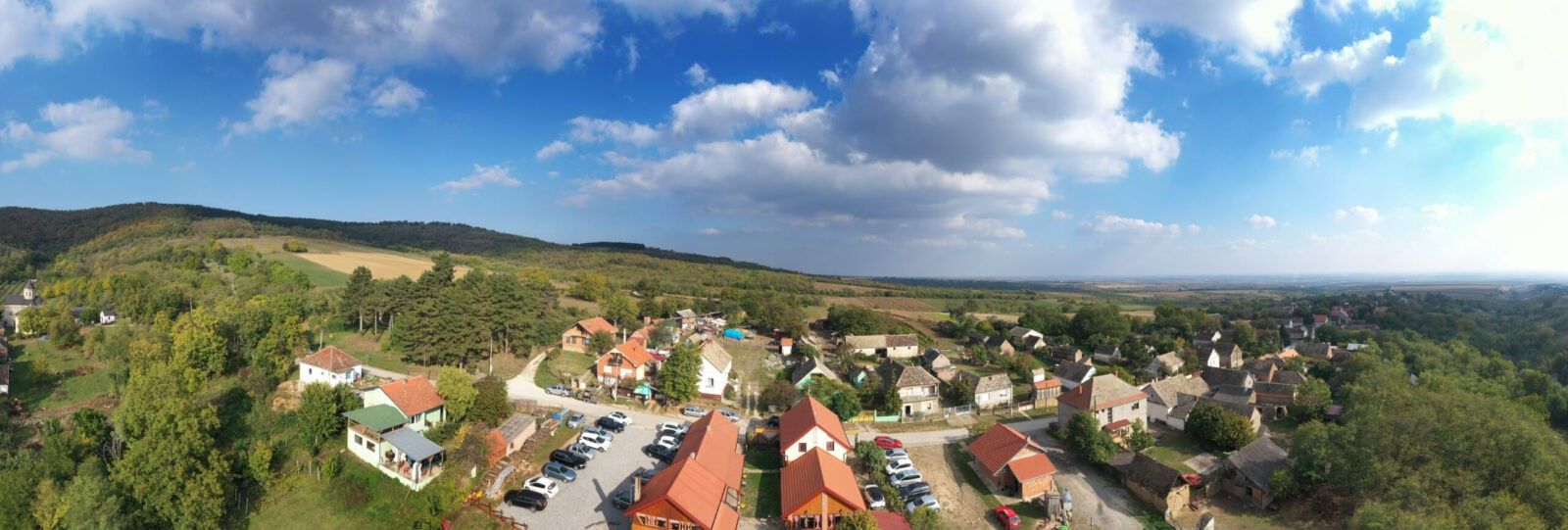
Mala Remeta is a sanctuary in Fruška Gora whose founding the folklore attributes to the “King of Srem”, Dragutin Nemanjić. According to the oral traditions and notes which were once kept in the Beočin monastery, the pious Serbian ruler built this monastery at the beginning of the 14th century, as a gift and a metochion to the Rača Monastery. However, the first reliable written information about Mala Remeta can be found in Turkish defters from 1564 and 1566–1567. It was called Remetsko and Remeta (as is the case with Velika Remeta or Šišatovac) and from a ransom, which amounted to 6,000 akçe, it can be concluded that it owned a substantial estate. It is also found in Ottoman tax registries at the beginning of the 17th century, but it was most likely burned and displaced not long after, since Patriarch Arsenije III (Čarnojević) sent the escaped Račan monks there to rebuild it, together with the defunct Beočin. The description from 1753 states that the Remeta Temple was made of stone, as well as that it was damaged in the last war between the Habsburg Monarchy and the Ottoman Empire. This church was mentioned several times in the 18th century as an “ancient building”, with the note that Remetsko was then the metochion of the Beočin Monastery.
Temple and the dormitory
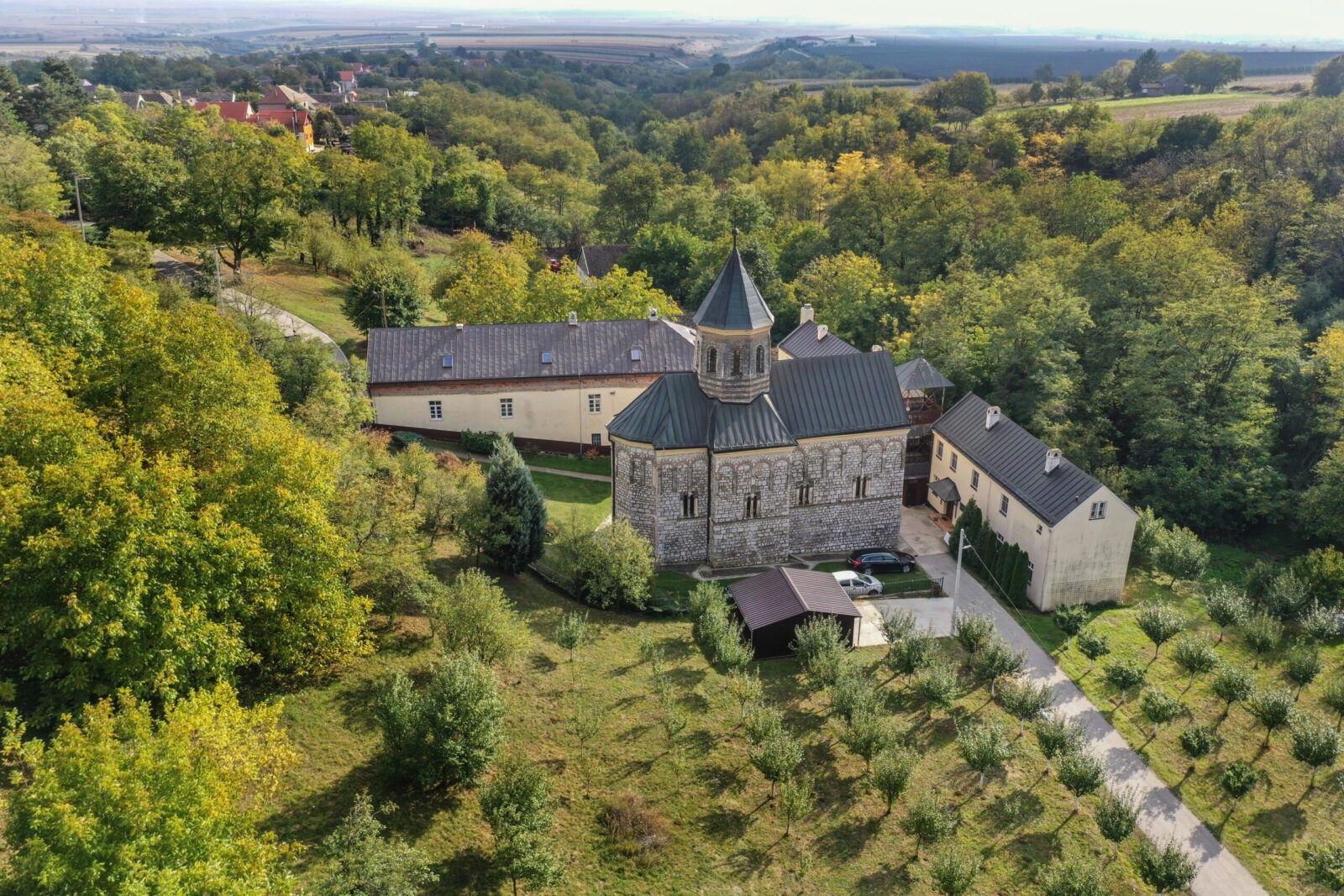
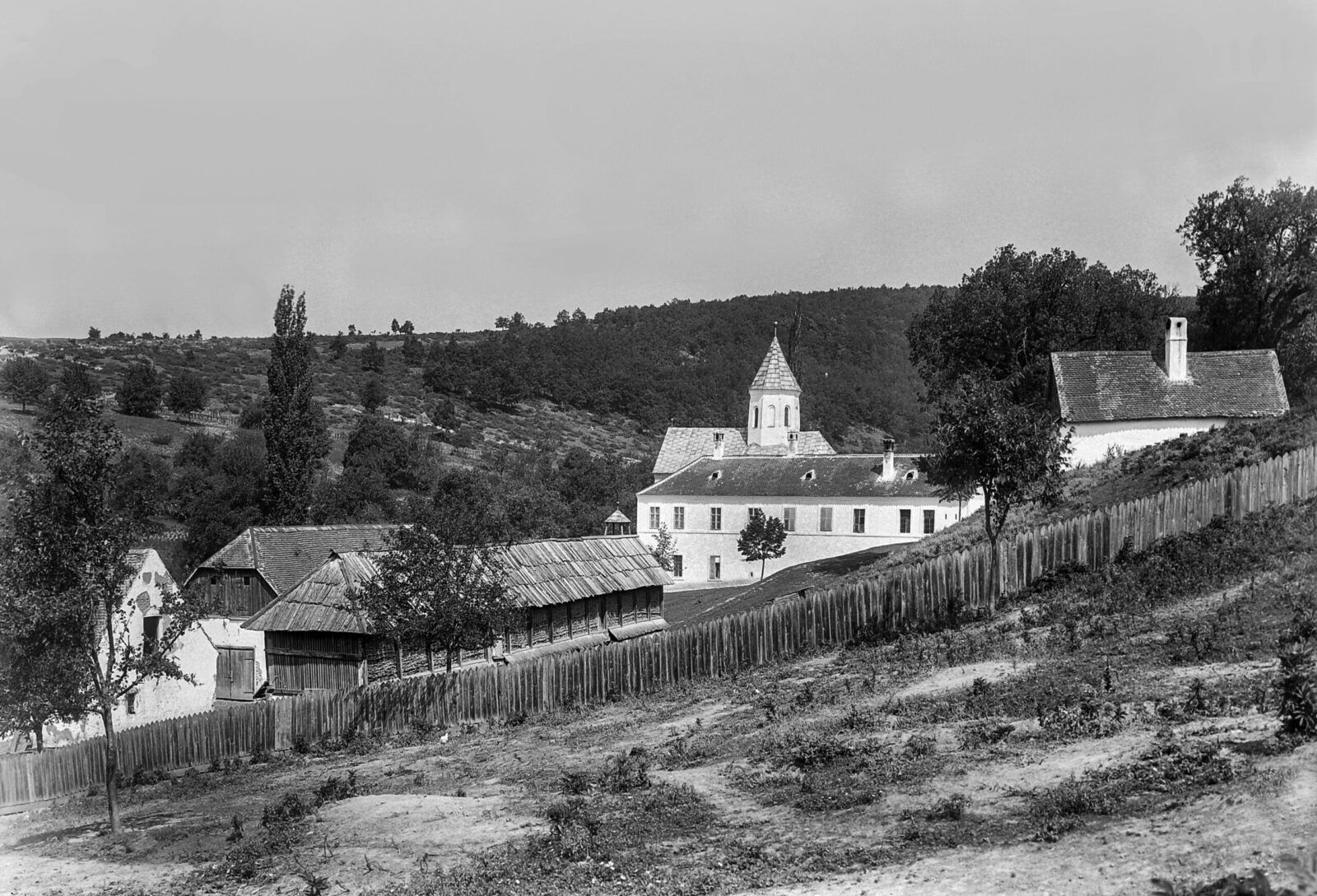
The construction of the current temple was started in 1739, under Hegumen Prokhor, modeled on the Bešenovo monastery. It was built from hewn stone by Teodor Kosta and Nikola Krapić from Langa, while Stanko Milinković from the village of Šuljma is mentioned as the ktetor. In the contract that Milinković signed with the aforementioned masters, the monastery is said to be on Beočin’s “grounds”, and this ownership was also confirmed by the protective charter of General Valis. Similar to the bell chapel in Šišatovac, Remeta had nine two-part, semicircular windows, but also two portals, a triconchal base, with rectangular analogions and an altar apse, as well as an ancient, nine-sided dome. It was dedicated to the Intercession of the Theotokos and is one of the most harmonious sacred buildings on Fruška Gora.
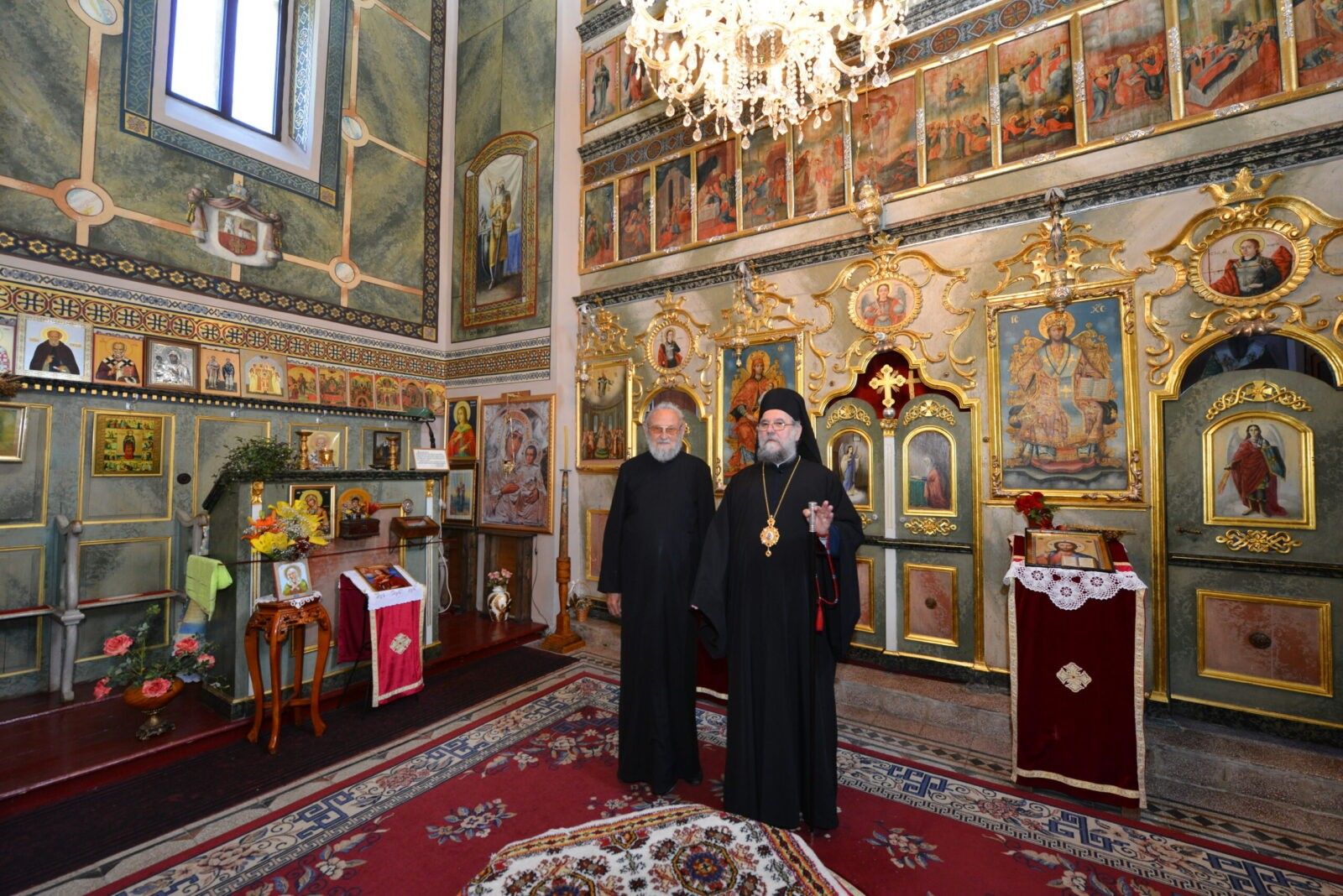
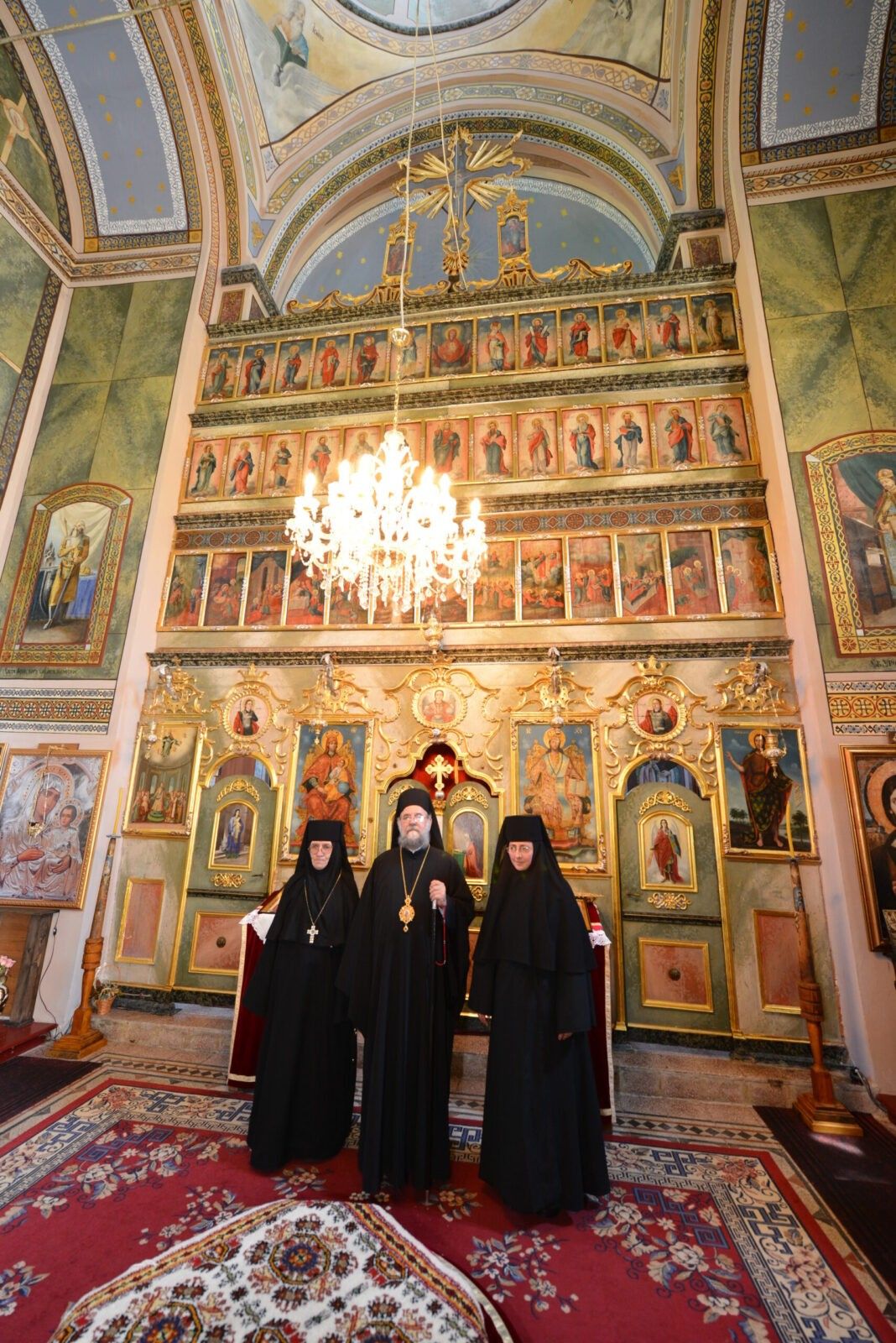
The iconostasis was made between 1757 and 1759, thanks to the contribution of Boško Bojkić from Stejanovac. The construction and full formwork was carried out by master Petar, while 53 icons were painted by Janko Halkozović and other unknown artists. Rich wood carved frames and elegant ornaments really highlight the baroque beauty of Halkozović’s throne icons (“Intercession of the Theotokos”, “The Blessed Mother of God”, “Lord Jesus Christ” and “Saint John the Baptist”), as well as the imperial, southern and northern doors, which were later painted Kosta Vanđelović, together with the medallions above them. Unfortunately, the names of the artists who worked on the Great Christian Holidays and the figures of the apostles and prophets remain completely unknown. After its construction and decoration, the temple of the Intercession of the Theotokos was consecrated by Metropolitan Pavle (Nenadović) in 1760.
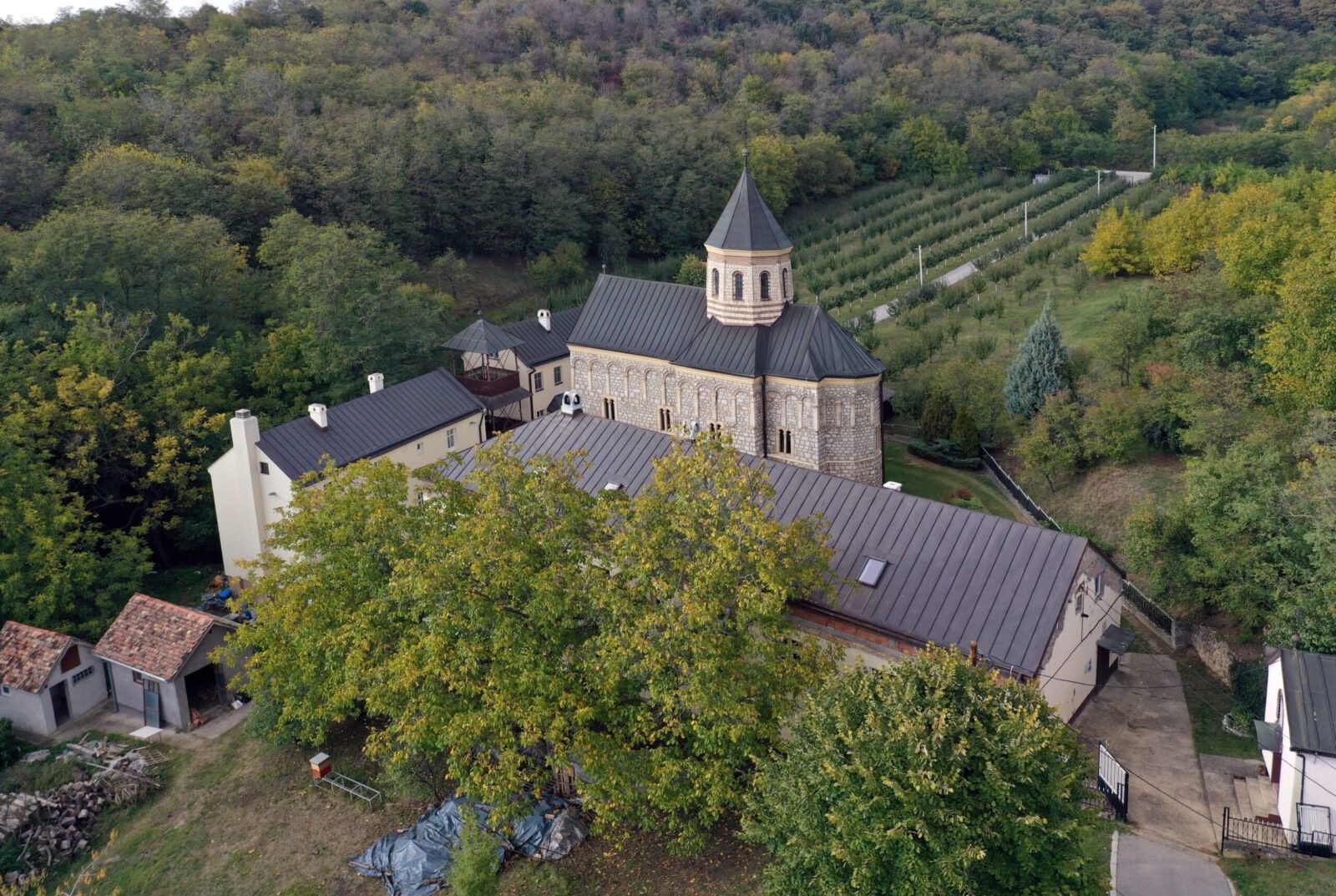
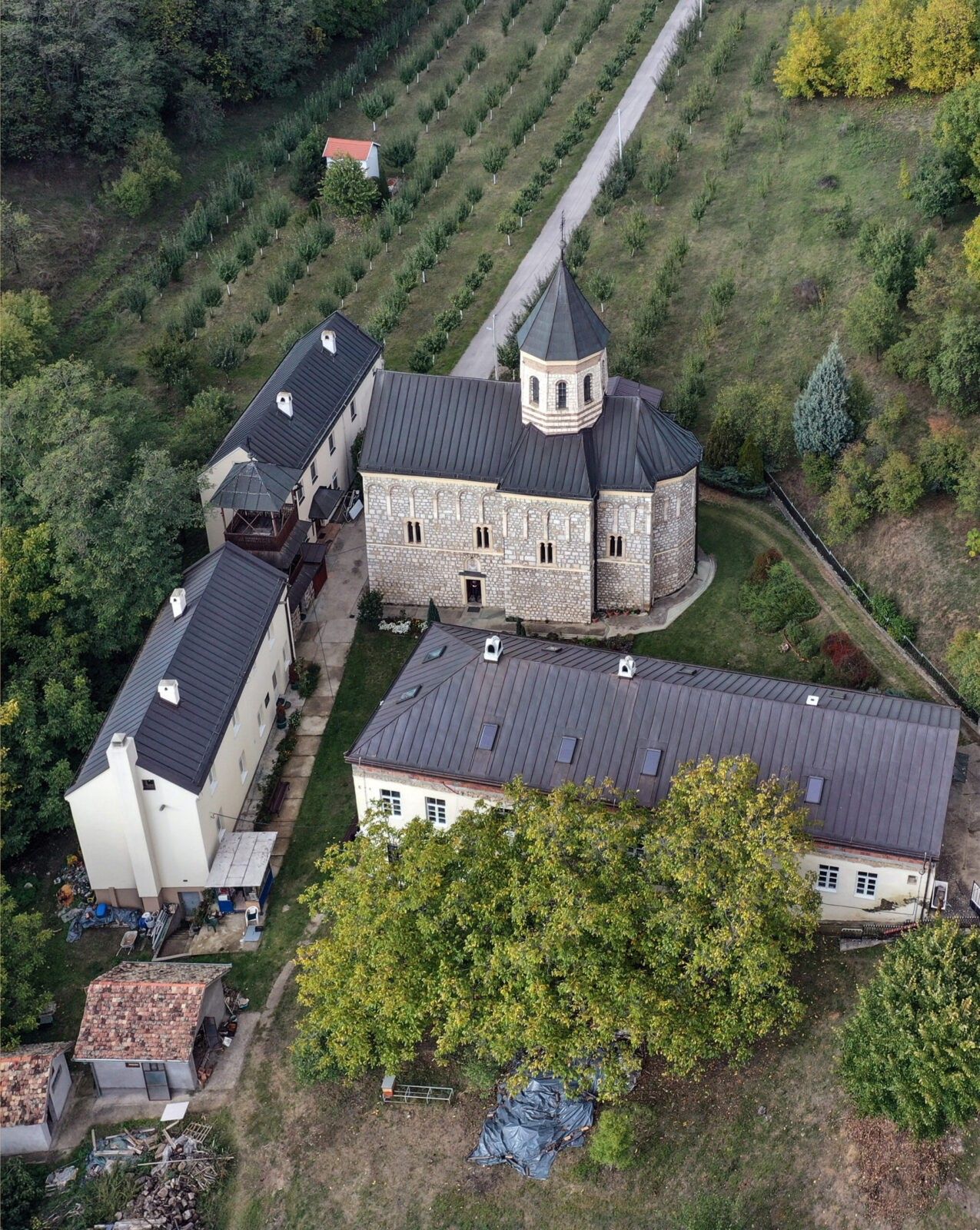
Around the same time, in 1758, under the guidance of Hierodeacon Silvestar, across from the southern part of the temple, a two-story dormitory was built under the patronage of Lieutenant of the Petrovaradin regiment, Jovan Jovanović and his wife Ružica. According to the description from 1771, in addition to the dormitory and the temple, the monastery also consisted of a wooden building with a kitchen, one room, a fodder mixing room and cellars, storage room for barrels, a distillery made of unbaked bricks and a wooden barn. More significant renovations were carried out after 1824, when the hegumen of Beočin Dionisije (Čupić) erected large barrel storage rooms and especially after 1869, when the Hieromonk Teofilakt (Lepaić), with the blessing of patriarch Samuil (Maširević), repaired the dilapidated dormitory, built an orchard and a vineyard and “in general he improved the household nicely”. Consequently, in 1875, Patriarch Prokopije (Ivačković) “honored him with hegumenship”. On the separate bell tower, built on the southwest side of the temple, there used to be a bell with the inscription: “This bell was contributed by Sofronije Urošević to the Church of the Virgin Mary in Mala Remeta, under Hegumen Dionisije Čupić in 1824.” It seems that it was made by Milisav Petrović, the famous Banat craftsman, who later became famous as a cannon founder during the First Serbian Uprising. Works were done on the monastery in 1909 and 1910, and on that occasion plastered walls inside the church were painted by Kosta Vanđelović. At that time, Hieromonk Konon (Miličević), a graduate of theology from Karlovci and a graduate student at the Faculty of Law in Zagreb, was the hegumen, while the monastic community owned 512 cadastral acres of land and a library of 266 books.
Sufferings and renewals
Mala Remeta was an outpost of the Beočin monastery until 1920, when it got its first independent hegumen, Kornelije (Zubović). Although the dormitory was burned by the partisans, the church itself was not destroyed during the Second World War. Likewise, the usual systematic looting of this Orthodox holy place was avoided, because the commission of the Independent State of Croatia mistakenly thought that it was poor in antiquities. However, the Ustaše commissar himself looted the library, valuable religious objects (censers, crosses, vestments, chained “Gospel”) and important parts of the inventory from the dormitory.
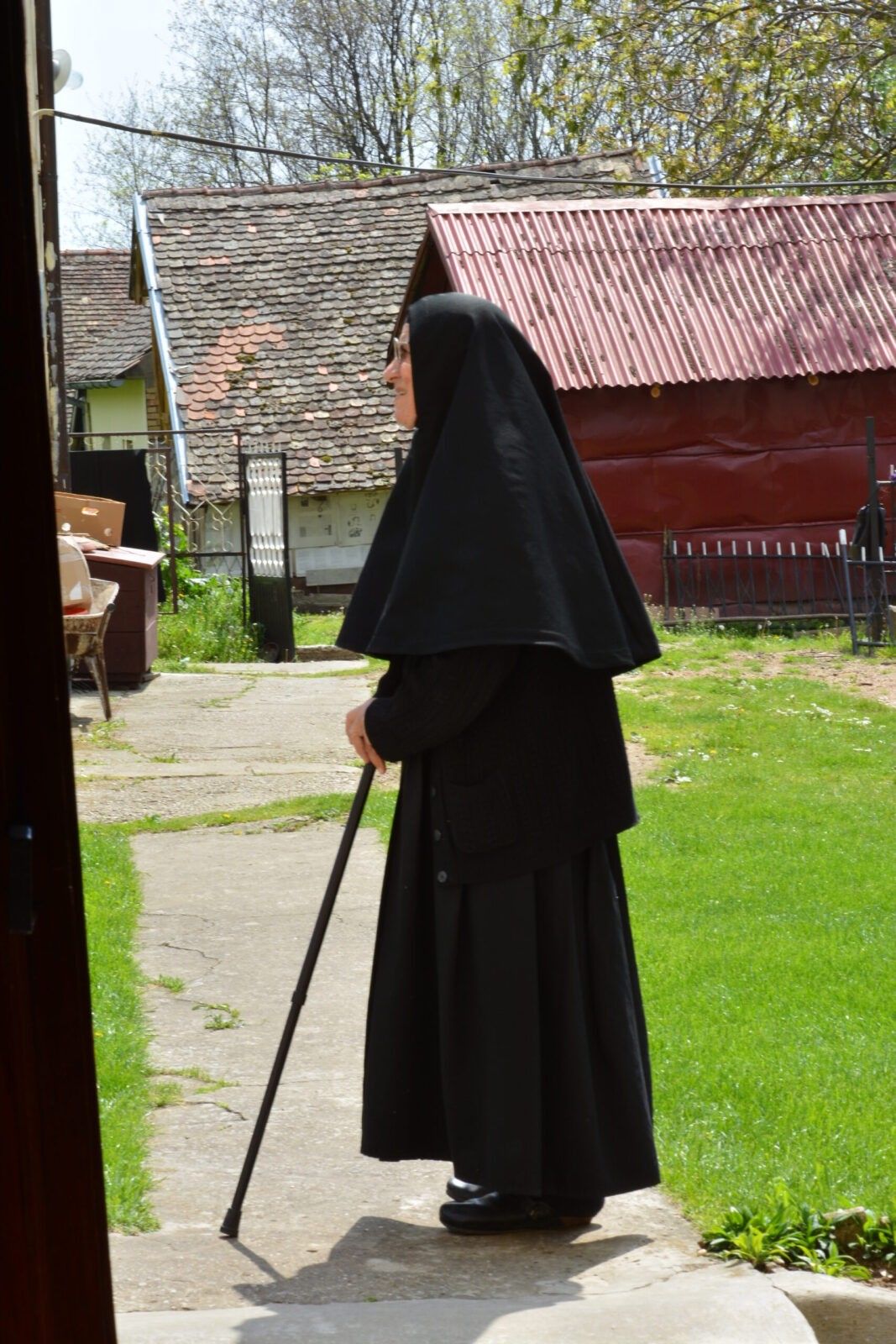
Through the efforts of Hegumen Rafaila and Nun Nadežda (Radovanović), with the crucial financial help of the Bishop of Srem, Mr. Vasilij, in 1987 and 1988, a new winter chapel was built at the very entrance to the monastery complex, dedicated to his family patron Saint, the Holy Prophet Elijah. The interior of this temple is completely covered with frescoes, executed by Zoran Đorđević, while the wooden iconostasis was painted by the nun Epikonida from the Mesić monastery. The new dormitory, also covered with copper, with a spacious dining room for the people and three apartments, was built in 2006, thanks to the money allocated from their personal funds by Hegumeness Rafaila, Nun Angelina and other founders. The icons were restored and the humidity in the temple was remedied between the celebration of the two patron Saint feasts of the temple (October 14), 2010 and 2011. The restored temple was consecrated by the Bishop of Srem, Mr. Vasilije.
Treasury of the Monastery
On February 1, 1805, “resident of Remetica, Mr. Josif Vučkov” contributed to this outpost of the Beočin monastery a silver five-bread communion tray, “for his eternal memory and that of his sons”, Toma, Grigorije and Maksim, which is still stored in the altar. There is also a silver censer, made in the same year, which Sima Nenadov gave to Mala Remeta. Perhaps the greatest treasure of this oversaught sanctuary is the collection of extraordinary old books, collected over the past centuries. In this sense, the most interesting are the handwritten menology of the Račan monks, created in the 16th and 17th century, in Old Serbia or in the area of the Metropolitanate of Karlovci. For example, Jerotej Račanin wrote 202 pages of the “menology for the month of July” sometime around 1698 and 1699. In addition to these books, the monastery also owns several valuable “Gospels”, such as the one printed in the Kiev-Pechersk Lavra in 1773, during the reign of the Russian empress Catherine the Great. There is another “Gospel” on the altar with a silver medallion and the image of the Blessed Virgin Mary, which was covered with leather and velvet by the Hieromonk Teodosije Subotić of Remeta, “under the direction of Visarion Stakić and the vicar Lukijan Mladenović, in 1908”.
Holy relics and graves
In Mala Remeta, there is a preserved fragment of the relics of St. George of Kratovo, who was burned by the Turks because of his refusal to accept Islamic religious teachings. There was probably a much larger cemetery here, which was destroyed in the past half century, and there are still monuments to Hegumen Vikentije (Đaković) (1871–1937), Hegumen Kornelije (Zubović) (1865–1922) and Hieromonk Isidor (Spasojević) (1846 -1922). Later, the remains of nuns Mihaila (Marković) in 1979, Nadežda (Radovanović) in 2002 and Angelina (Marković) in 2008 were laid to rest in the monastery cemetery. Next to the apse of the temple stands a simple tombstone for a seventy-two-year-old Hieromonk Venijamin (Borocki), which was erected by his son Đorđe in 1883.
The monastery was dedicated to the Holy Evangelist and Apostle Mark. Larger assemblies are always held on the patron Saint feasts of the temple and on the day of the Holy Prophet Elijah.
Legend of the miraculous spring
A secluded spring in the village of Novi Karlovci most likely became famous in the first decades of the 19th century as a place of pilgrimage. Tradition says that in that place, on the day of Saint Mark the Apostle, the boy of the same name from Krčedin, who had been blind since birth, “regained his sight”. Lost in the vastness of the Syrmian plain and exhausted from the endless walk, he sought deliverance in fervent prayer, until the Blessed Virgin Mary and Saint Mark appeared to him. Similar to the spring in Berkasovo, a touching legend says that fresh, healing water broke through the dry earth, over which an ecstatic vision took place. As a sign of gratitude for God’s mercy, he placed an icon with the image of the Evangelist over the miraculous spring, to whose intercession he attributed his unexpected recovery. It is certain that since 1835, this place was respected by pious inhabitants of the surrounding villages.
Chapel on the water
The smaller chapel, near the “water”, dedicated to the Holy Evangelist and Apostle Mark, was built by parish priest Aleksandar Jovanović in 1883, “for the glory of God”, “for the eternal memory of himself and his wife, Jelisaveta Persida, who died on March 18, 1880”, as written on the wall plaque. It was built on 196 acres of land, which was donated to the church municipality of Novi Karlovci by the Lukač family. The single-nave temple, with a lower bell tower and a semicircular apse was consecrated by the Serbian patriarch German (Anđelić) on the Feast of Saint Mark in April 1884. From then until the beginning of the Second World War, the Holy Liturgy was served here twice a year, on the covenant days of the neighboring village, dedicated to the Holy Apostles Mark and Bartholomew. In front of the altar, there used to be a simple wooden partition, where printed icons of less material value were hung.
Establishment of the monastery and restoration of the sanctuary
Over time, this outdoor place of worship was literally overgrown with weeds and thicket. The long process of its revitalization began in August 2006, when Đoko and Persida Obradov moved here. On December 7, 2007, it was entrusted to the care of the Serbian Orthodox Church Municipality in Inđija, since when the guardianship of the temple of the Holy Apostle Mark was entrusted to Archpriest Radislav Trajković. On January 3, 2011, the Bishop of Srem, Mr. Vasilije, turned the old “chapel on the water” into a women’s monastery.
Thanks to the effort and love of the Obradov couple, the plaster was removed from the dilapidated building, both inside and outside and soon electricity was introduced. In addition, the old roof structure was changed and a “cerclage” was made around the church. The road to the monastery is paved and a well is drilled in the churchyard. Until now, the temple has been completely renovated, the dormitory and a fountain have been built above the Mark’s spring, surrounded by a solid brick fence at the southern end of the sacred complex.
This monastery does not have holy relics or artistic antiquities. There are no burials in the temple or the gate. To the south of the chapel, a bust of the Serbian Patriarch Pavle (Stojčević) was placed, while the icon of the “Living Easterner”, with a representation of the young Krčedinac and his heavenly protector, was made by the academic painter Tanja Janošević in the Virgin’s throne. The iconostasis, which was carved by Rajko Kušlaković, was painted by Archimandrite Timotej (Kosanović).
This monastery does not hold any holy relics, nor artistic antiquities. There are no burials in the temple or churchyard. To the south of the chapel, a bust of the Serbian Patriarch Pavle (Stojčević) was placed, while the icon of the “Life-giving Spring”, with a representation of the young boy from Krčedin and his heavenly protector, was made by the academic painter Tanja Janošević in the Holy Mary’s throne. The iconostasis, which was carved by Rajko Kušlaković, was painted by Archimandrite Timotej (Kosanović). The iconostasis, which was carved by Rajko Kušlaković, was painted by Archimandrite Timotej (Kosanović).