

Fenek Monastery
First mentions and early history
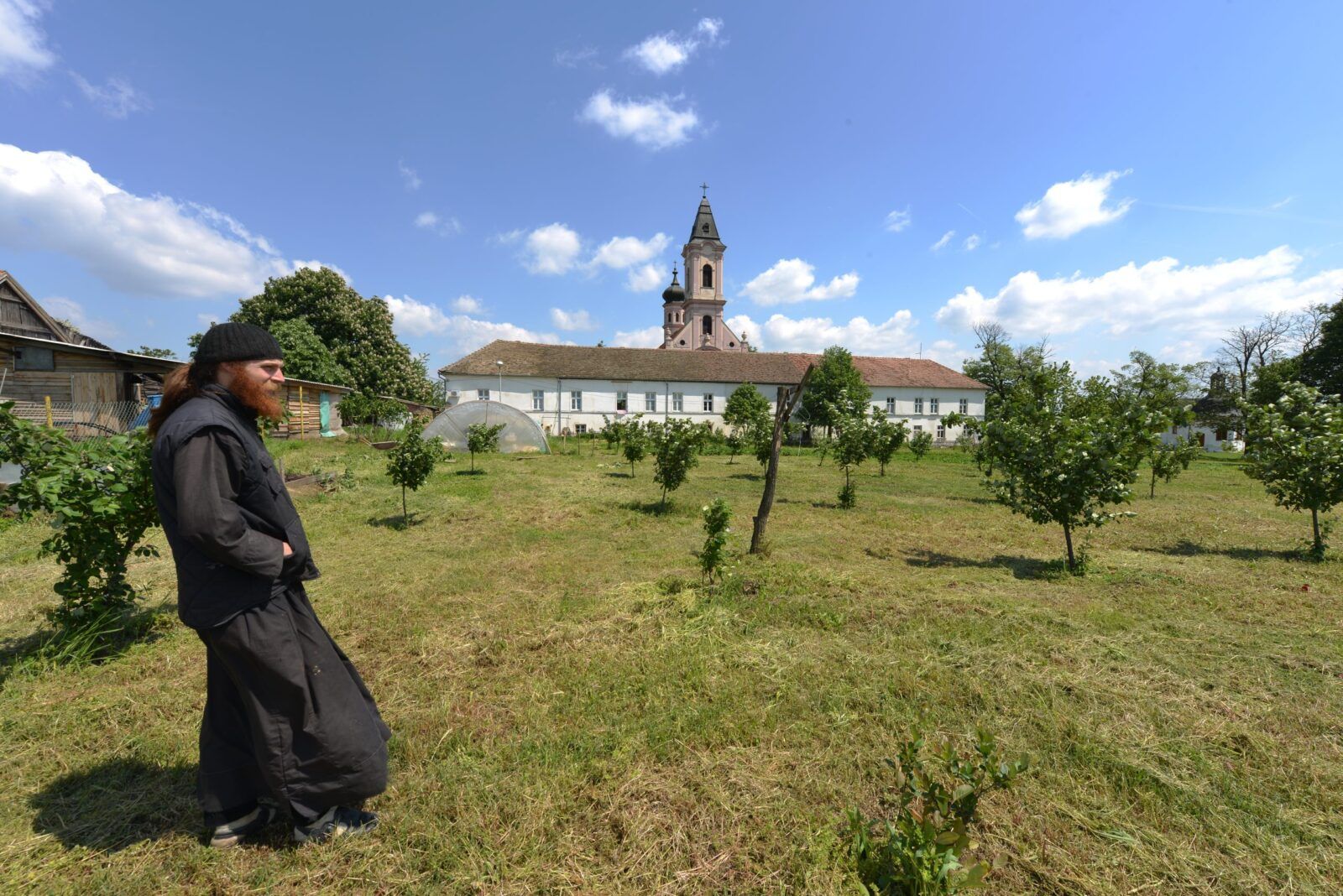
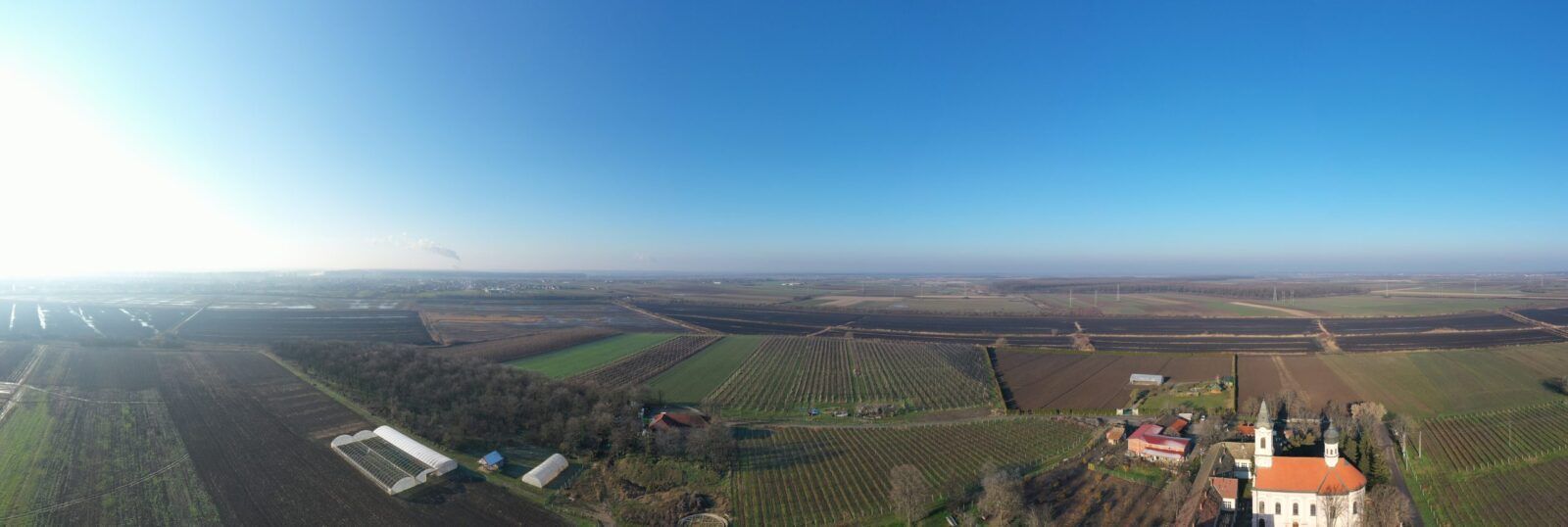
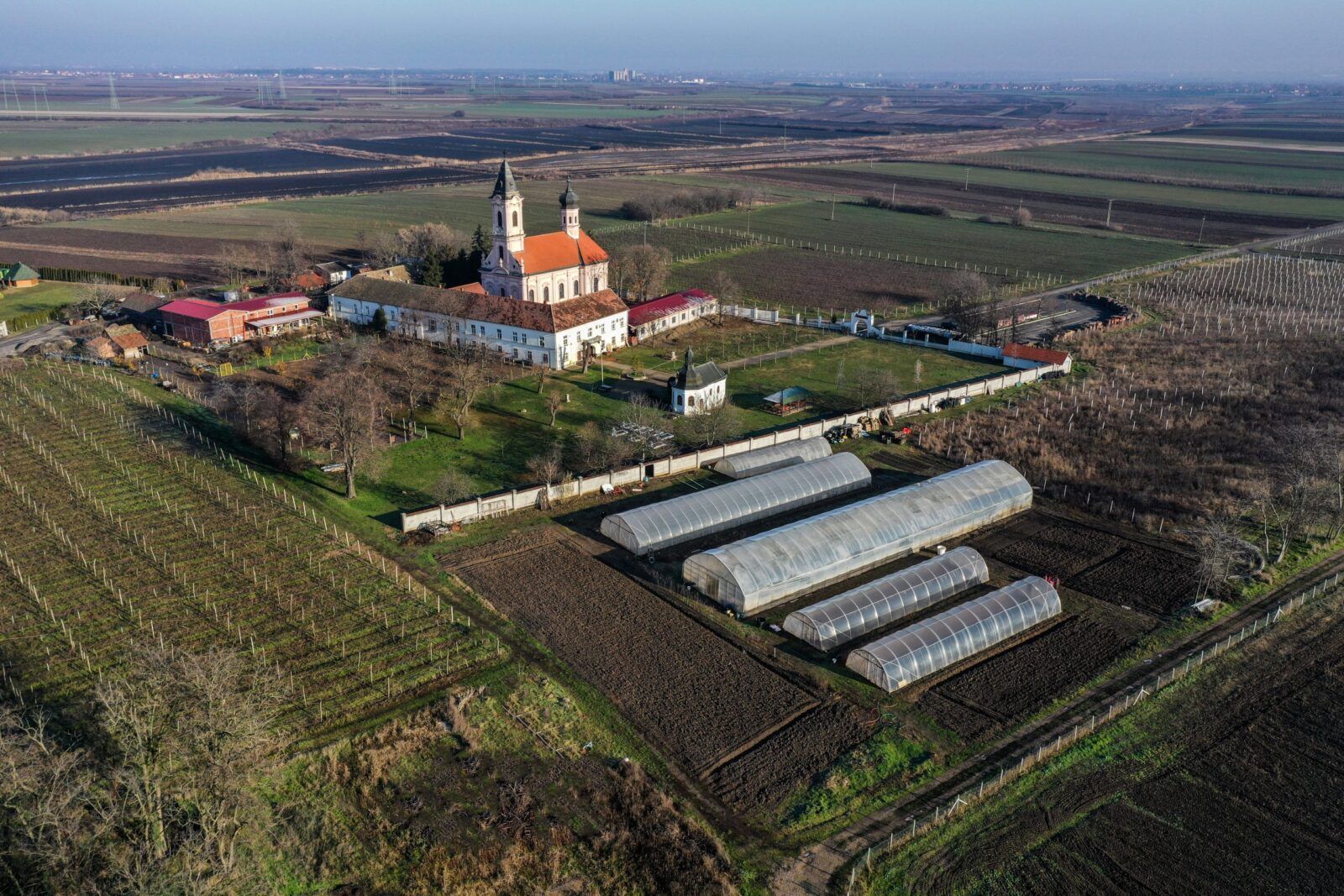
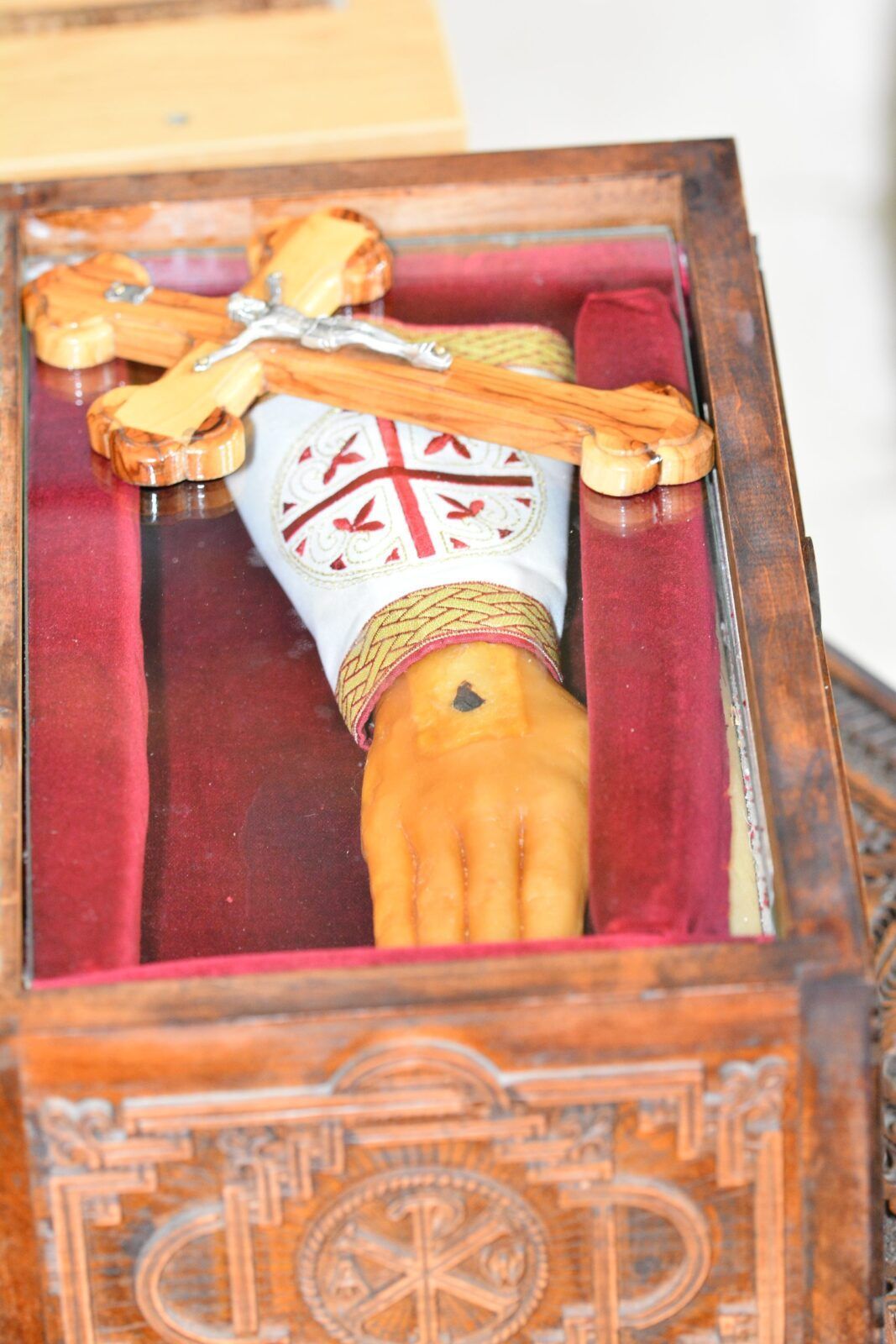
Fenek is the only monastery of Fruška Gora that is not built on Fruška Gora, but is located in the so-called “lower Srem”, between the villages of Jakovo and Boljevac. It is not known who built this holy place, although there is a folk tradition that says that its first founders were Mother Angelina, Despot Jovan and bishop Maksim Branković, otherwise the founders of the Obeda monastery, an outpost of the Fenek Monastery. The first reliable mentions of Fenek can be found in the “Menology” from 1563, which was copied by Hieromonk Zaharija during the administration of the Hegumen Sava. The duration of Fenek was recorded in the notebooks from 1566-1569, which describe it as a monastic family in Zemun nahiyah, which paid a ransom of 3,800 akçe to the sultan’s treasury for all the buildings in its possession. Another census, carried out in 1578, includes it as well. It can be concluded that a highly developed copying activity was present by the typikon from the time of Hegumen Maksim in 1573, the “Gospel” of Hieromonk Orest from 1547. Furthermore, this can also be inferred by the data statin that the fact that a certain Hieromonk Teodor bound the finished books in the 17th century, under Hegumen Neofit. The library of the Krušedol Monastery kept the “Typikon of Sabbas the Sanctified”, written by “black-robed Marko” in Fenek in 1574. Dušan K. Petrović writes that the relics of Saint Petka were kept in this monastery from the end of the 15th century until 1574.
Temple and the dormitory
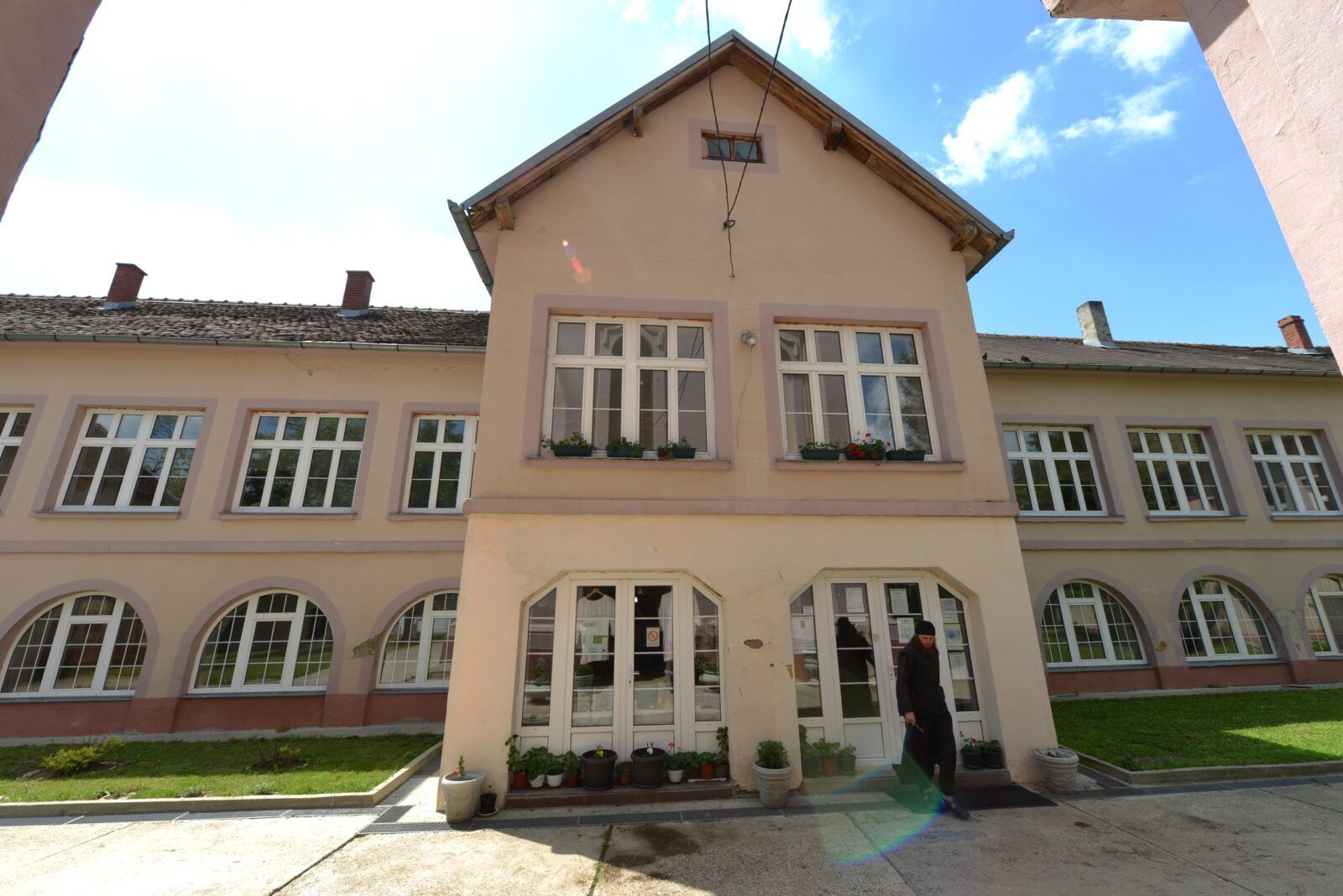
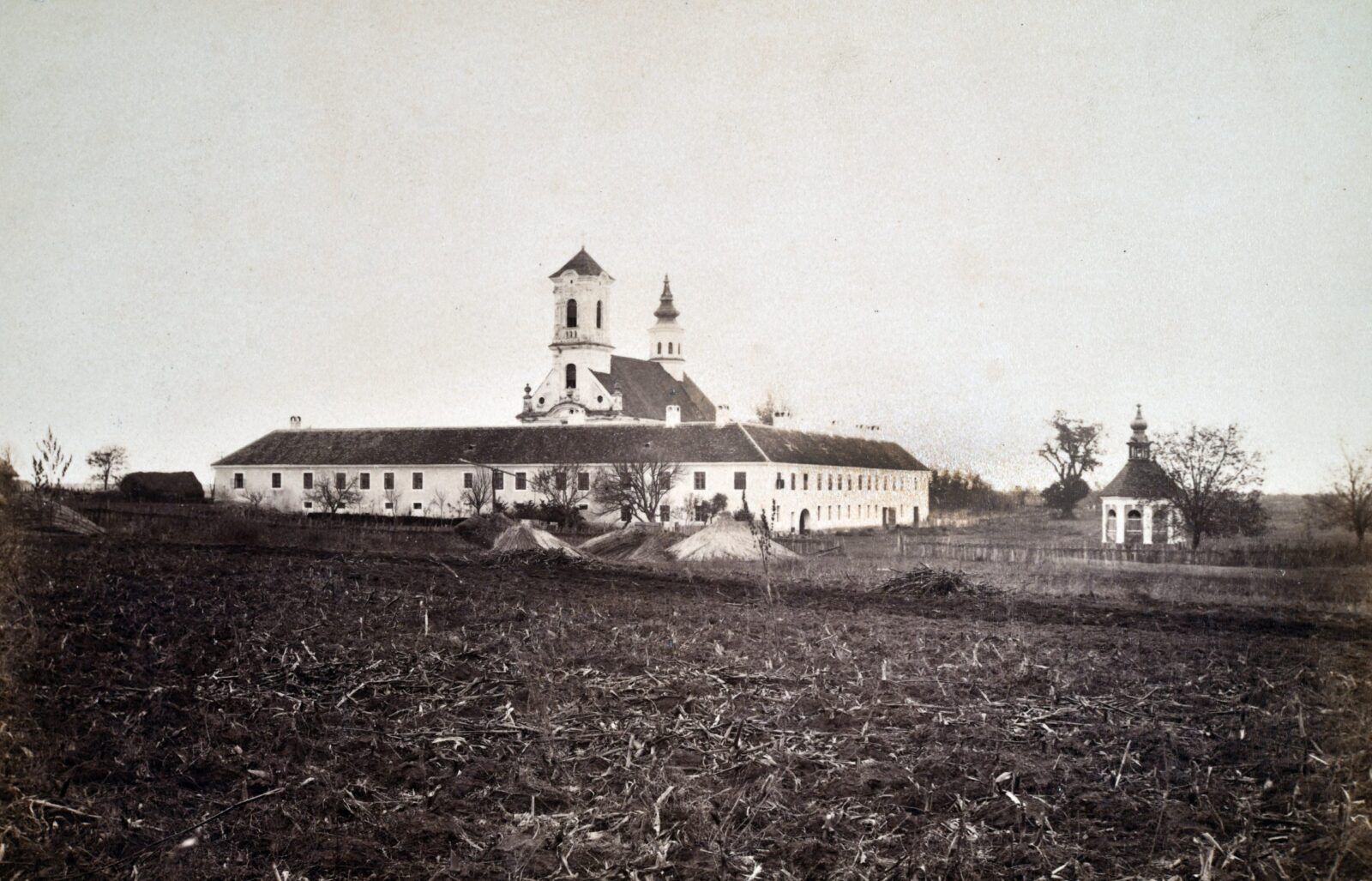
The name of Fenek is found much more often in sources from the 18th century. Although it is known that it was destroyed during the retreat of the Ottoman army that was defeated at Vezirac in 1716, the restored temple of the Venerable Mother Paraskeva was described in detail in 1734, as an edifice built of stone and brick, with a colorful dome and an altar apse, surrounded by an iconostasis made of 15 icons, “old imperial doors” and a smaller cross on top. In 1728, a priest from Tulare (nearby Valjevo) “studied the books” here under the monk Hristifor. In 1752, the dilapidated roof covering was replaced, thanks to the contribution of “Lord Kuzman Jovanović”, a resident of Zemun. Until the visitation in 1753, the temple was surrounded on three sides by dormitories, which were made in 1770 by “Turkish vassals Stanko, Filip and Savko” for the thirteen-member brotherhood. It seems that several more works were carried out on the monastic cells, especially under the management of the capable Hegumen Sofronije (Stefanović), since they were consecrated by the Metropolitan Mojsije (Putnik) in 1785.
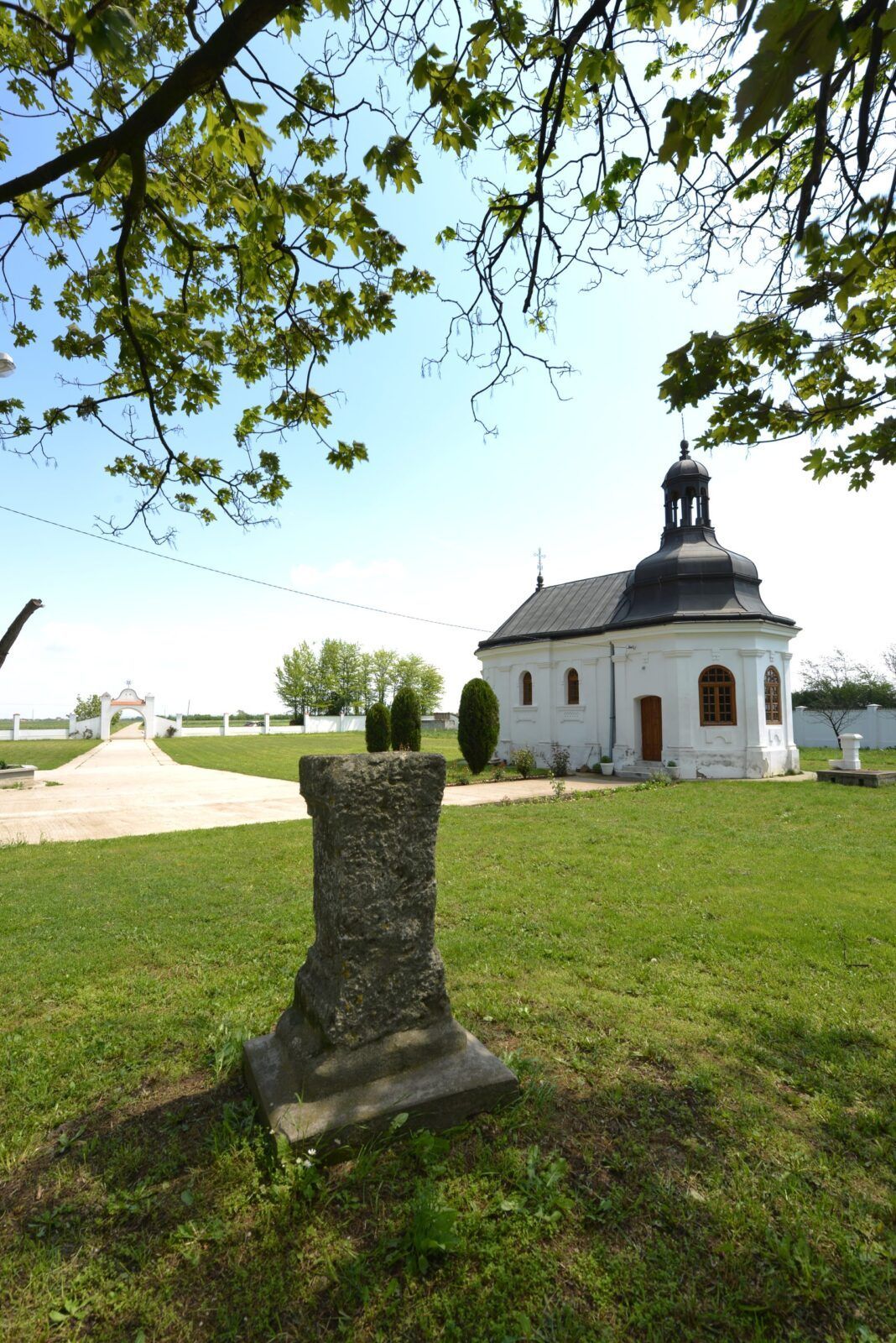
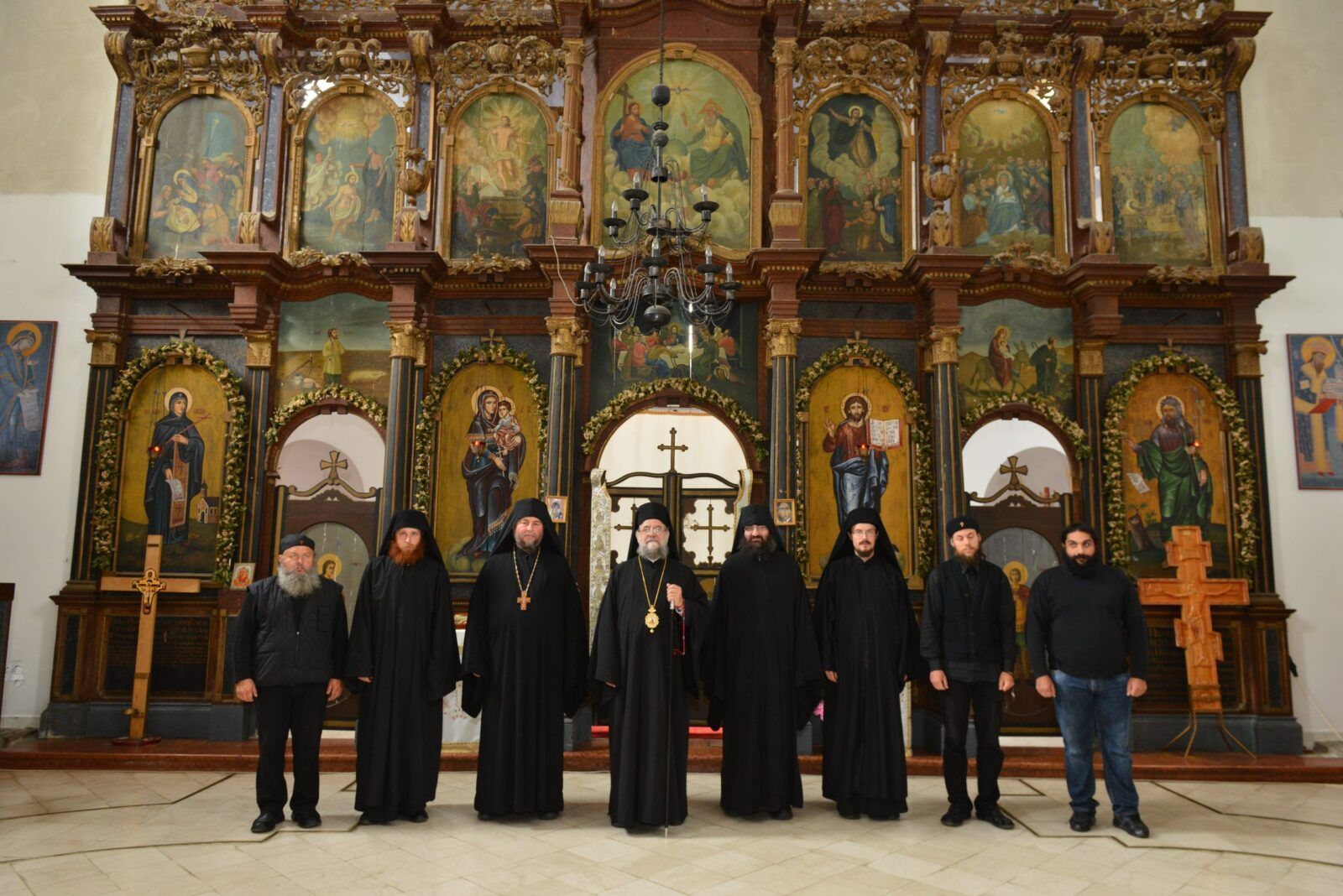
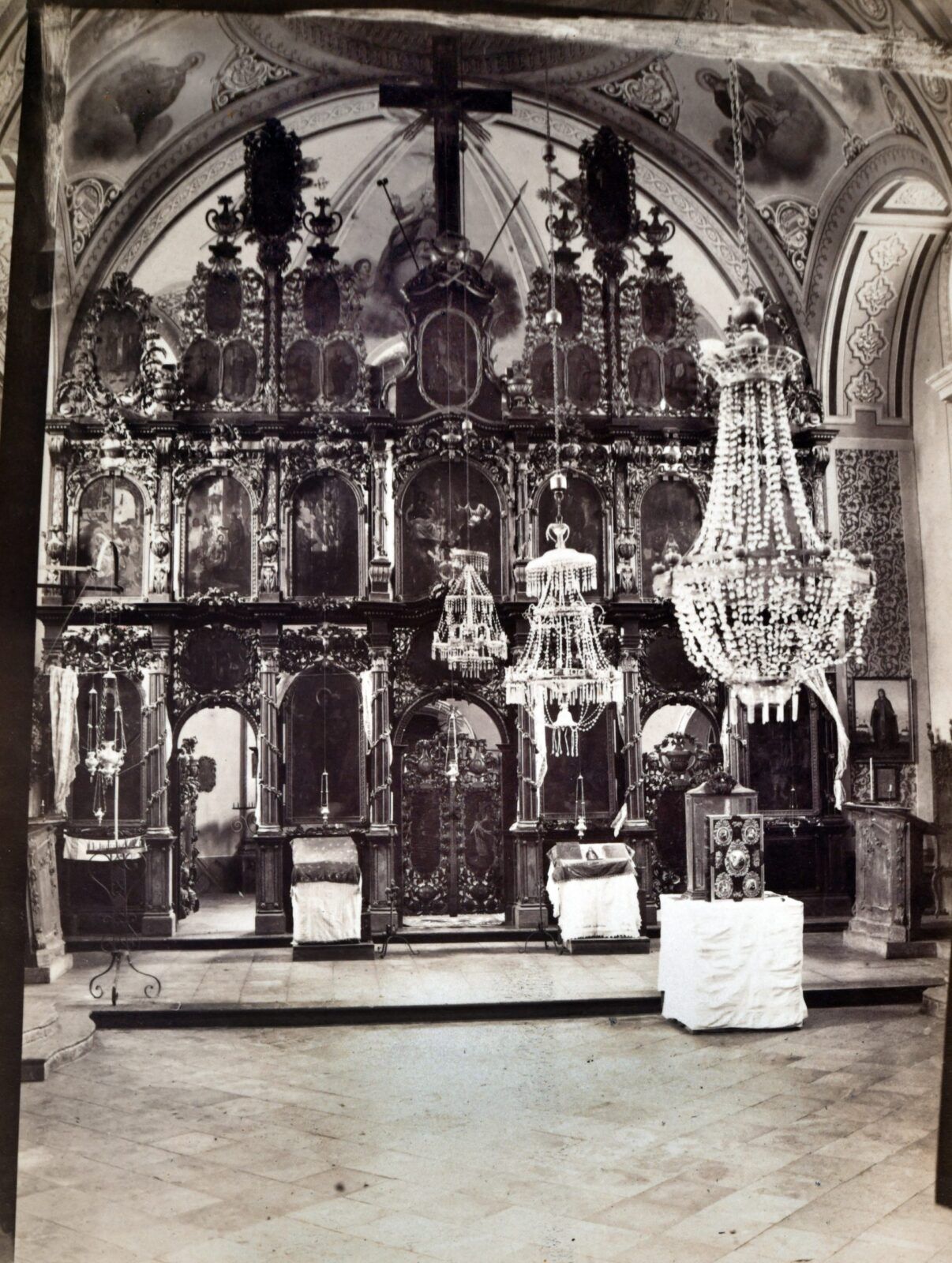
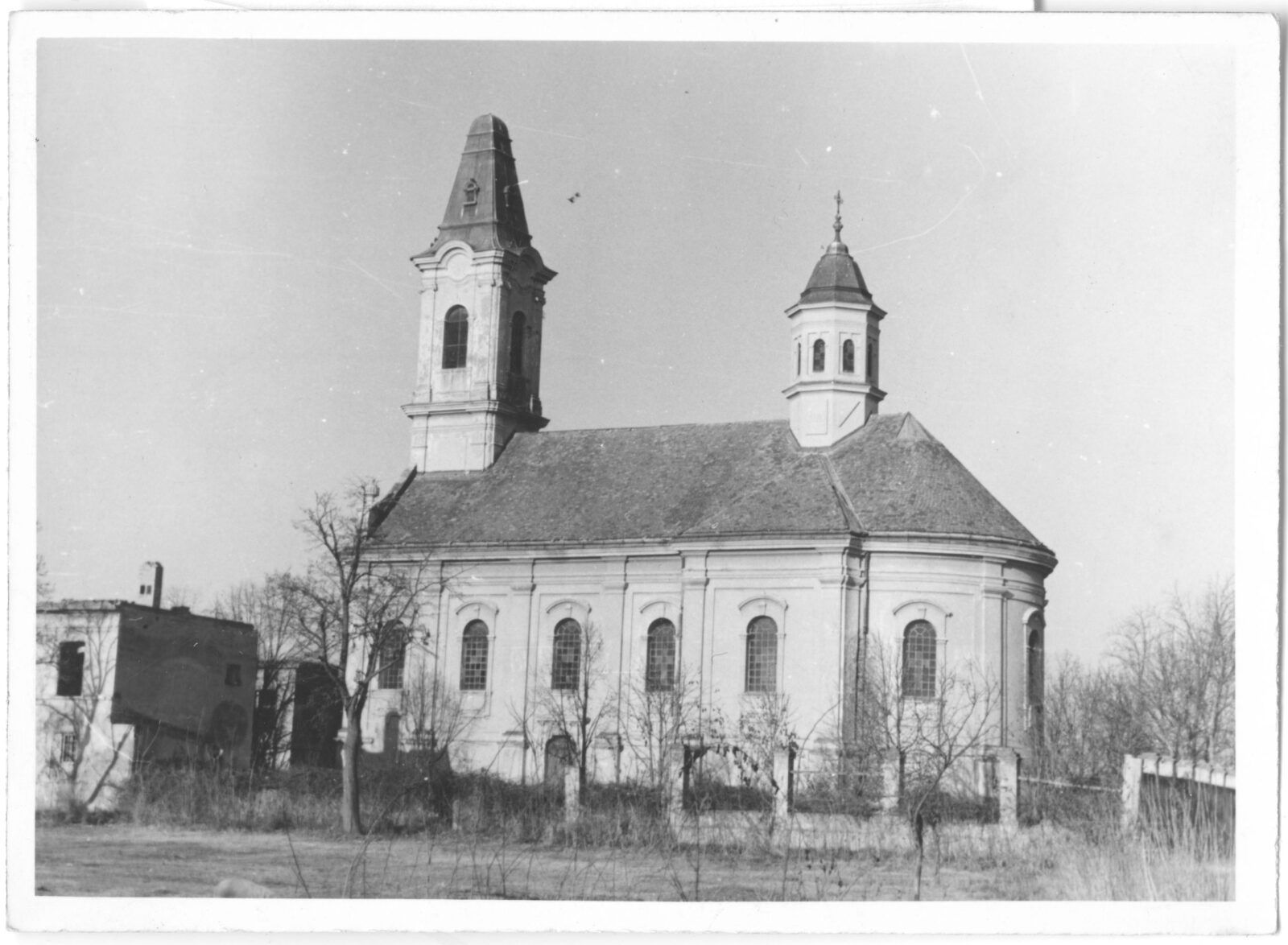
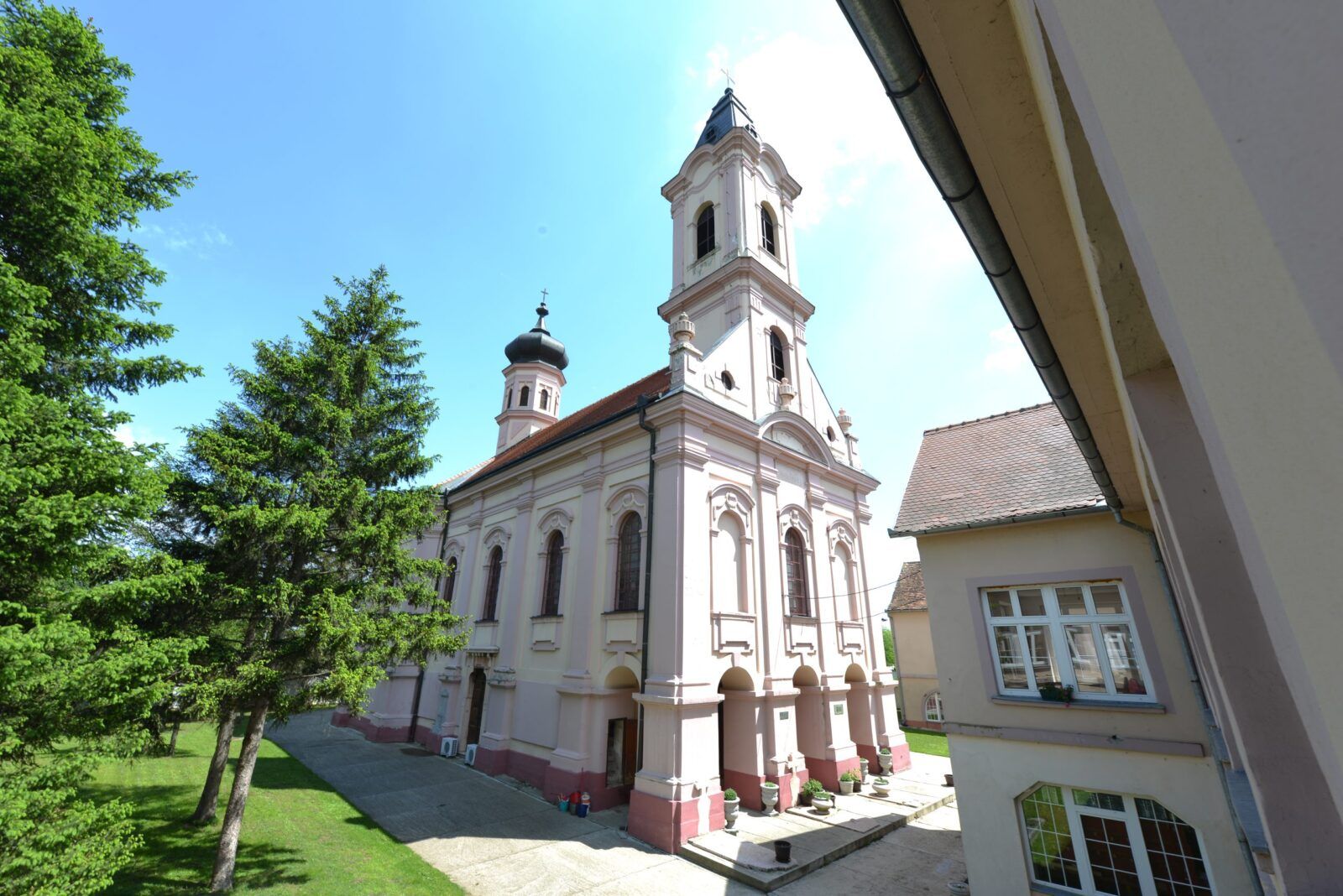
The end of the 18th century was very stormy for the ascetics of Fenek, especially during the times when the Emperor Joseph II traveled all the way to these parts, visiting the military border of his monarchy. The enlightened ruler spent the night in the monastery and met with the duke Aleksa Nenadović. The old temple was demolished in 1793, on the initiative of Sofronije (Stefanović) and two years later, the current one was built under the supervision of the new Hegumen, Vikentije (Rakić), who wrote the first history of Fenek. The baroque church with a cruciform base, a high bell tower and a decorative octagonal dome was consecrated in 1797. The iconostasis partition was done in 1798, by the engraver Aksentije Marković from Novi Sad and painted and gilded in the classicist style by Petar Radosavljević from 1818 to 1820. The fruitful construction of Fenek in the 18th century was finished with the construction of a new chapel on the site of the old church, foundation of which was attributed to Mother Angelina in 1800. In this place of worship with a small bell tower, the construction of which was paid for by the leaseholder Georgije Raka from Jakovo (who is also buried there), there was a “healing well of Mother Angelina”, where “the ill came to get well”.
Treasury of the Monastery
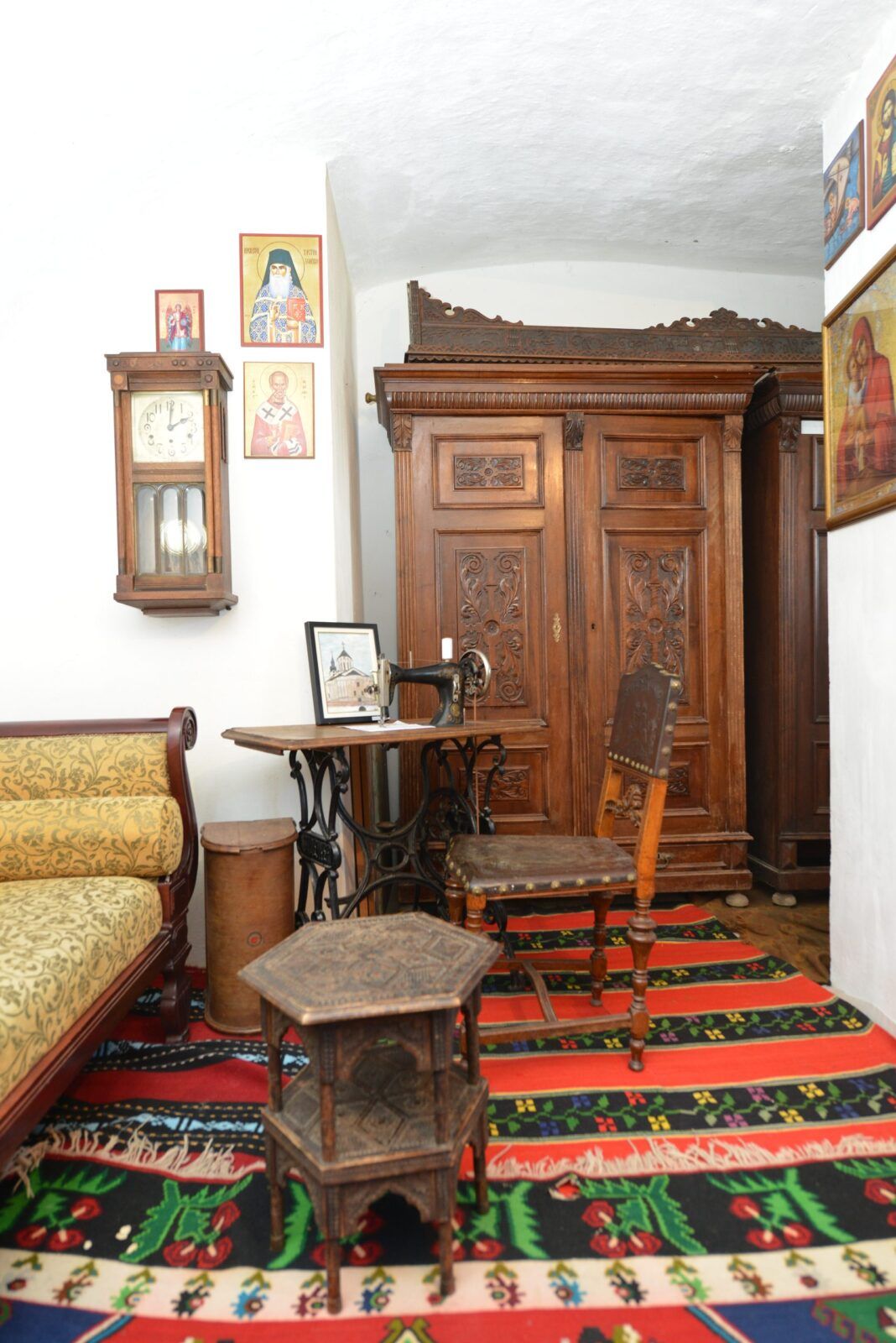
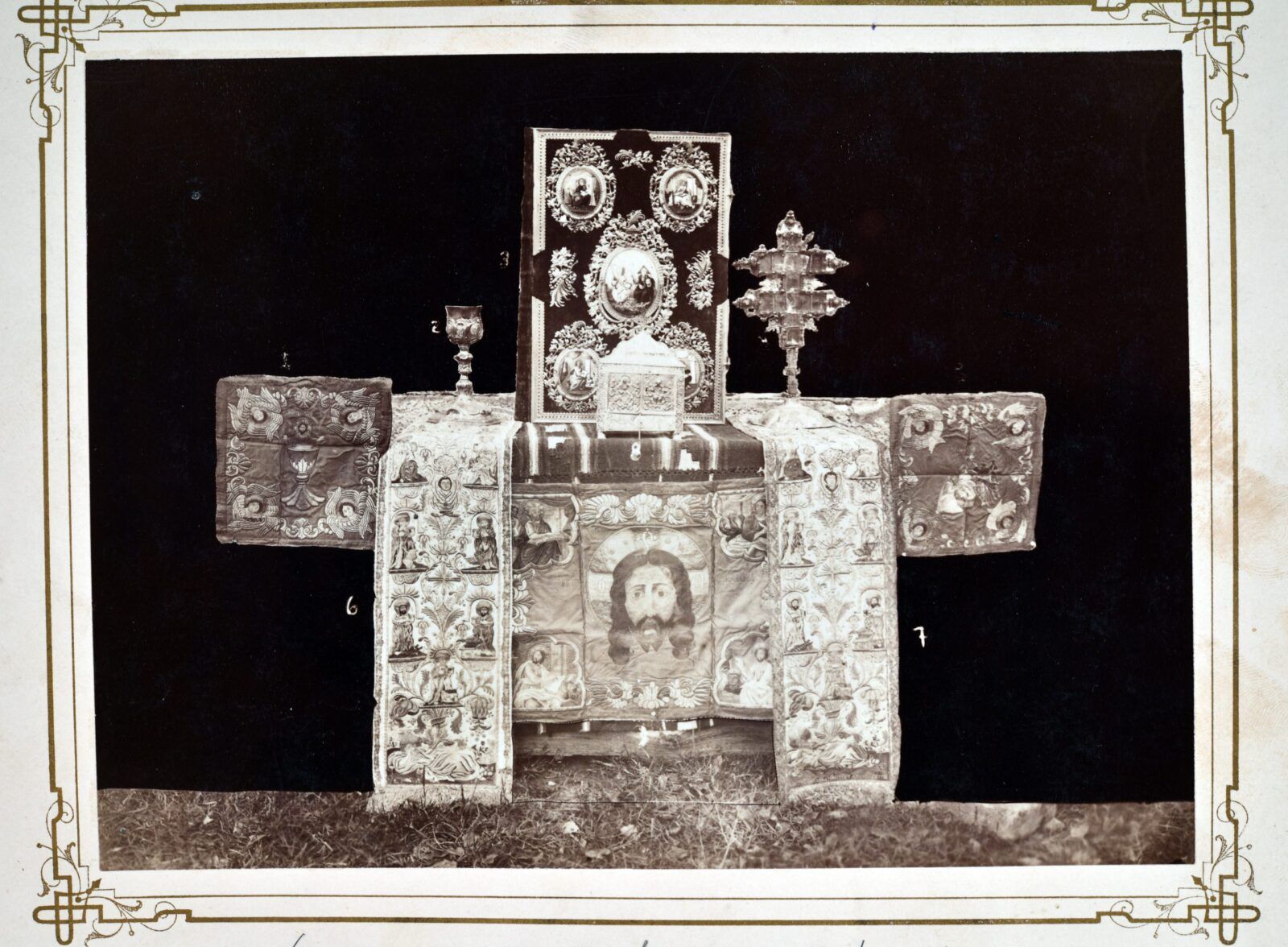
After the collapse of the First Serbian Uprising in 1813, Mateja Nenadović, Luka Lazarević, Mladen Milovanović, the monks of Studenica with the relics of the Holy King Stefan the First-Crowned and their archimandrite Meletije (Nikšić), as well as the leader Karađorđe, found refuge in the monastery of St. Petka. The strong emotional and material ties with the uprising Serbia can be most convincingly conveyed by the fact that the painting of the monastery church was executed in 1859 by Dimitrije Petrović, the son of the painter Živko and the grandson of Jovan Zemunac, who forged heavy cannons for Karađorđe. Prior to the First World War, Fenek had a land holding of 974 cadastral acres, a library of 1,537 titles, among which there were exceptional handwritten books in Old Serbian (srbulje), an archive founded in 1745, with documents received from the Theresian Vienna, as well as a treasury with expensive exhibits, such as copperplates of St. Petka with a depiction of the monastery complex from the eighties of the 18th century, reminiscent of the artistic expression of Zaharije Orfelin.
Sufferings and renewals
The monastery suffered greatly at the very beginning of the war in 1914, during the invasion of Austrian soldiers, who set fire to the quarters and destroyed the lower zone and the cross from the top of the iconostasis partition. During the Second World War, the western floor and the entire southern wing of the dormitory were burned and demolished. The temple was not destroyed, but it suffered merciless looting and desecration. The monastic family was re-established only in 1955, and Bishop Vasilije of Srem successfully started and finished the reconstruction of the monastery complex.