

Rakovac Monastery


First mentions and early history
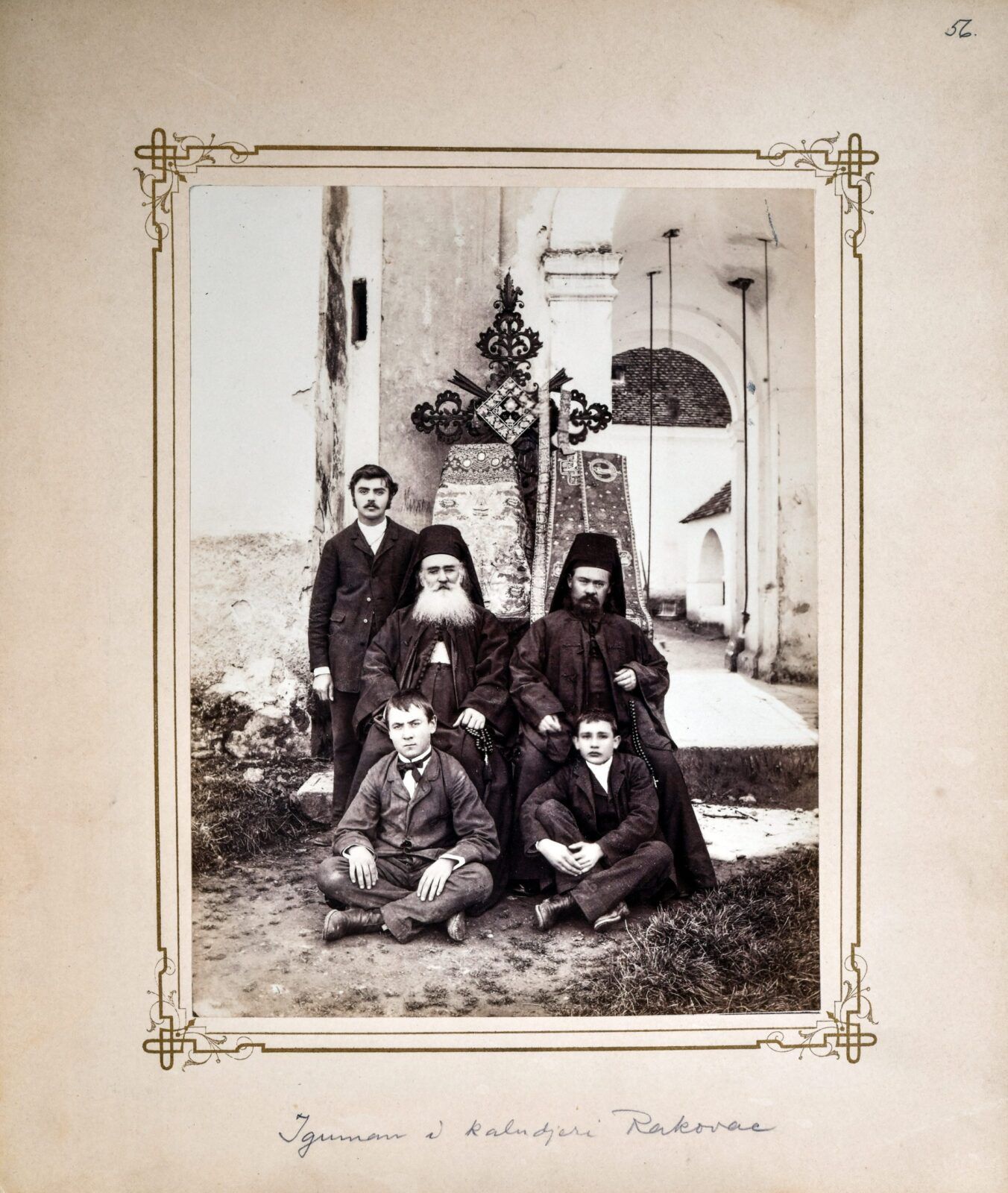
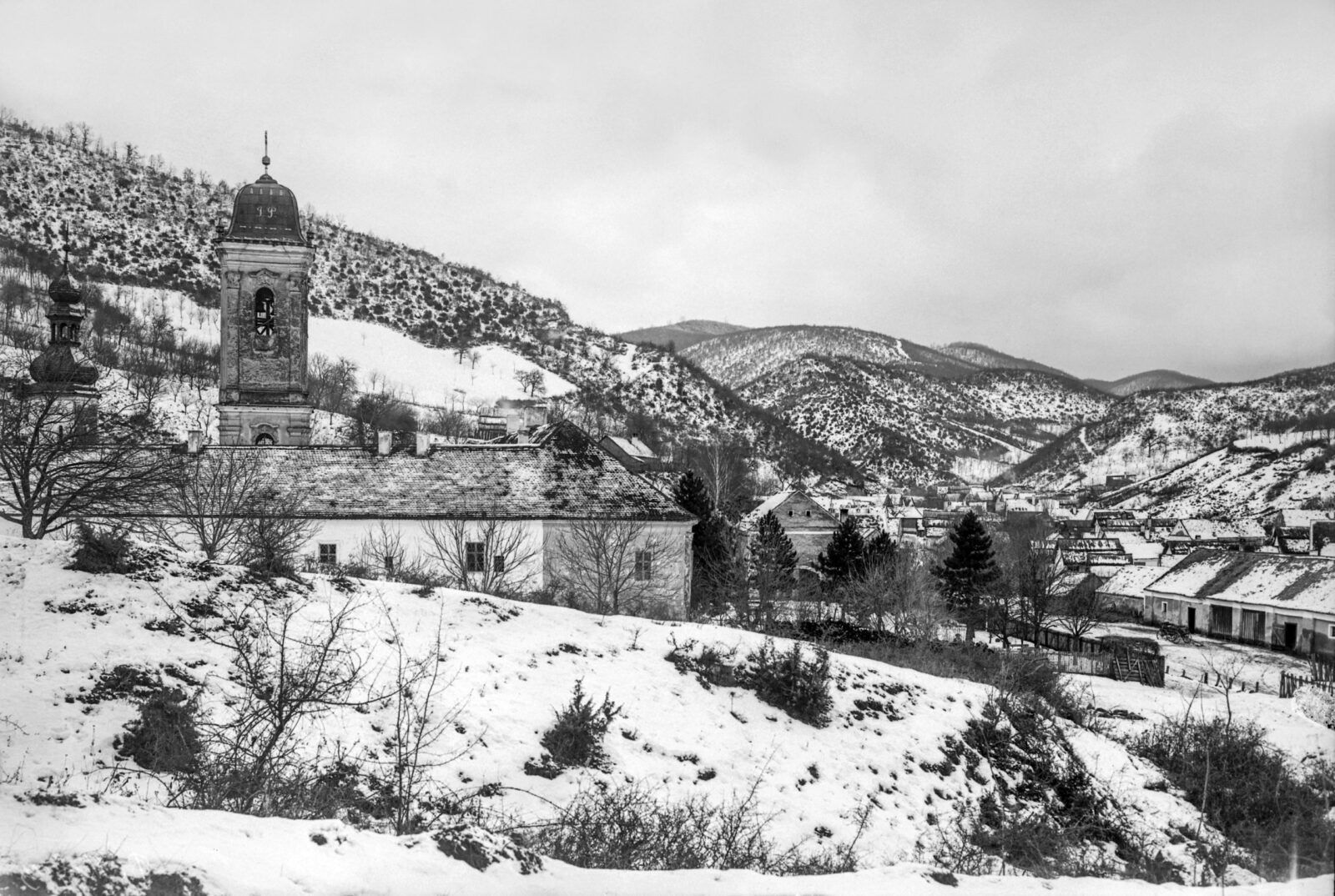
The old age of the Rakovac Monastery, dedicated to Saints Unmercenaries and Miracle Workers Cosmas and Damian, is evidenced by a medieval legend, according to which its founder and ktetor was the “pious Christian” Raka Milošević, the great chamberlain of the Holy Despot Jovan Branković. Accompanied by other despot’s courtiers, he killed a deer in this very place sometime in the 15th century and as a sign of gratitude for the heavenly patronage, to which he attributed his unexpected hunting success, he built a small monastery, naming it after himself. According to the same legend, in honor of his master, he also founded the village of Ledinci. One faded inscription on the walls of the temple narthex indicates the year 1533, which may represent the time of its construction, while it is known that it was burned in 1541 and looted by the Turkish army that was retreating from Budapest. Although Rakovac was often exposed to the ravages of the”godless Hagarenes” during the 16th century, its first reliable mentions are precisely in their censuses made in 1545–1548, 1566–1569, 1578 and 1588–1595. There is also a record from 1589, which testifies that a book was copied here.
In 1609, 1625 and 1648, Rakovac was given a five-bread communion tray, a silver seal and a binding for the apostle, which was soon “clothed”. It is known that the consequences of the Turkish destruction were removed from 1656 to 1657 and that the Bishop Sevastian of Buda died in this monastery in 1662. However, in 1678 and 1682, it suffered further destruction, so it was rebuilt again only in 1693, after receiving the protective firman of Sultan Ahmed II.
In his “Serbian Orthodox Metropolitanate of Karlovac”, Mata Kosovac referred to a copy of the text from the beginning of the 18th century, in the “History” edited in 1763, which was signed by Archimandrite Nikanor (Jovanović) from Rakovac. This source tells about the arrival of monks from conquered Serbia to the deserted Rakovac and ends with a quote: “This document or writing was kept until this day and year, however, because of its old age, the paper is terribly worn out and reading is barely possible. In the Holy Spirit, I informed my son Isaija of Parivode, hieromonk of Rakovac, whom I raised in spirituality from his youth, so that he could record this for future memory and others.” That the rich copyist tradition did not die down even after all the listed trials, can be concluded on the basis of the “Dušan’s Code” which was copied by Hieromonk Pahomije in 1700.
Temple and the dormitory
Similar to the history of other Fruška Gora monastic communities, Hegumen Teofan and Hieromonk Athanasije of Rakovac sought alms from generous Orthodox gentlemen in Russia in the 18th century. That their efforts bore fruit can be seen from the fact that, until 1702, the temple was covered with shingles, and soon, thanks to the contribution of Bishop Nikanor (Dimitrijević) of Kostajnica-Zrinopolje, a decent dormitory with a refectory was built. In 1714, in the revitalized sanctuary, the monk Maxim wrote his priceless “Srbljak”, still known today as the “Rakovac Manuscript”, which would later be printed in Rimnik and Venice by the Bishop of Arad, Sinesije (Živanović). By 1734, Hegumen Isaija gathered a monastic brotherhood of fifteen members.
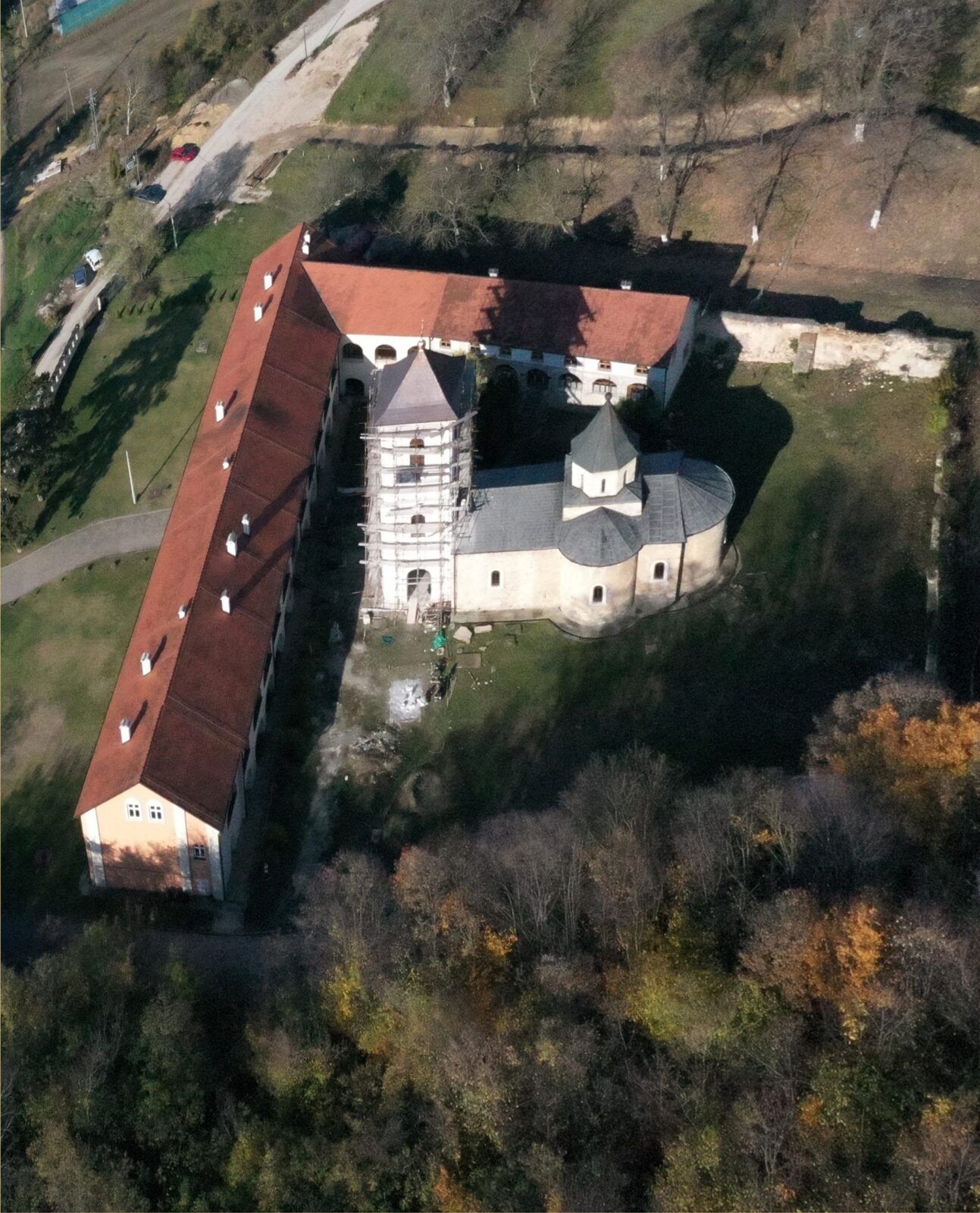
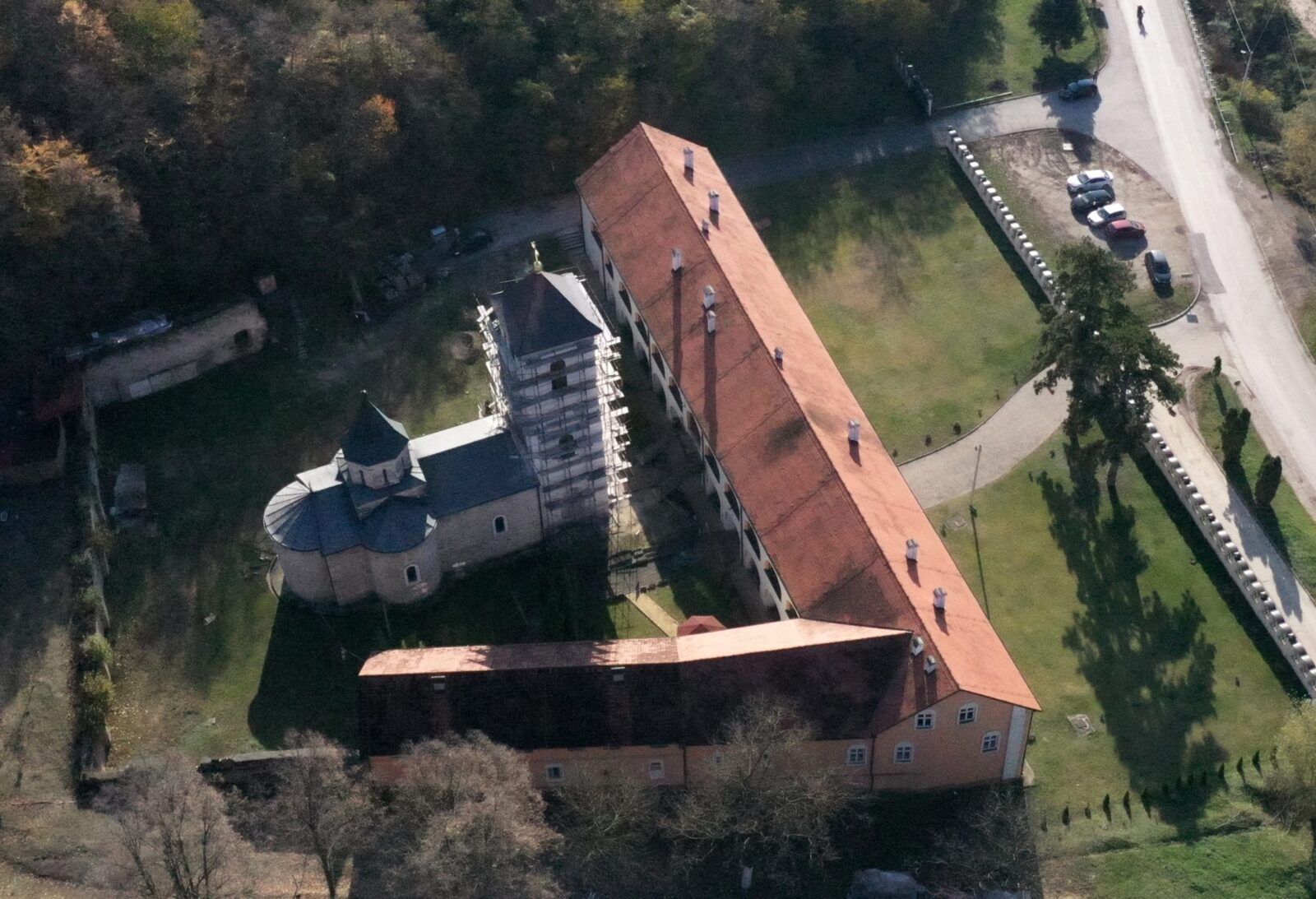
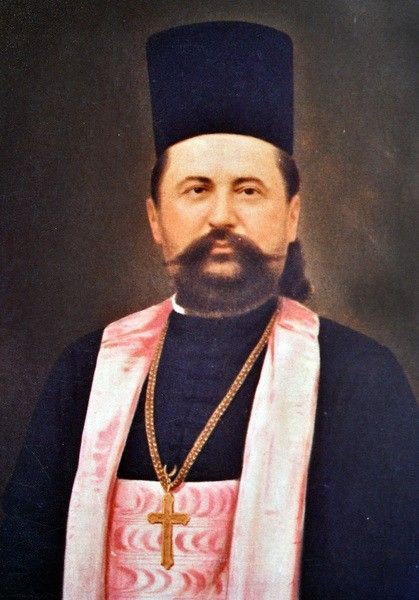
The baroque bell tower, with a chapel dedicated to Saint Nicholas and a tomb on the ground floor, next to the western side of the temple, was built by the famous priest of this monastery, Metropolitan Vikentije (Jovanović) of Belgrade and Karlovci, in 1735. During its long and tumultuous past, Rakovac gave the Orthodox Church several notable hierarchs, among which, of course, is the eminent Metropolitan Vikentije. Bishops Sinesije (Živanović) of Arad, Danilo (Jakšić) of Upper Karlovci, Georgije (Hranislav) of Bačka, Pantelejmon (Živković) of Timișoara, Evgenije (Jovanović) of Karlštát, Arsenije (Stojković) of Buda, Metropolitan Pavle (Nenadović)of Karlovci, Mojsije (Putnik) and others were also closely related to this spiritual family. Rakovac would later be called the “court monastery”, probably due to the fact that many archpastors received their ordinations and ordinations here. This strong connection with the metropolitan residence lasted until the last days of the Serbian Church on this side. Hence, in 1913, Patriarch Lukijan (Bogdanović) appointed Hegumen Dositej (Popović), administrator of the Buda Bishopric and Karlovac Patriarchal Courts, as the superior of Rakovac.
In 1753, during the works initiated by Metropolitan Vikentije, the old dome of the temple, which was described as a colorful stone building, with six windows and an eight-sided dome, supported on free columns, was demolished. Its floor was covered with stone slabs and bricks. In terms of its architecture, it adhered to the old art of the Branković despotism, which was primarily reflected in its triconchic base. With the contribution of “Lord Miško Bečlić from Futog” and members of the monastic family, the church was covered with copper sheets, and its facades were plastered and decorated with “stucco vines” in 1741. It was renovated between 1760 and 1769, when the partition separating the nave from the chancel was demolished. From the “Description” dated 1753, we can learn that it was frescoed, even on the outside, above the entrance door. Traces of the old painting are still visible today and the interior of the temple was also damaged during the installation of the Baroque-Rock iconostasis, executed by Vasilije Ostojić, in 1763. The temple was decorated by the foundation of the monk and painter Amvrosije (Janković), who also paid for the installation of the luxurious marble floor. It seems that the choir stalls from the parish church in Banoštor once belonged to Rakovac and were painted in 1749 by Hieromonk Silvestar (Popović), travel writer and companion of Hristofor Žefarović, during his pilgrimage to Jerusalem.
Thanks to the contribution of Hegumen Hadži Joanikije, in 1736, part of the northern wing of the dormitory was completed, while the remaining part of the building, together with the southern and western parts of the complex, was built by 1742. In 1768, Amvrosije (Janković) painted nine compositions in oil on the walls of the monastery’s refectory at his own expense. The cemetery chapel was built in 1751, with money donated by the monk Hadži Joanikije. Certain stylistic features of its painting are reminiscent of the works of Janko Halkozović, and some experts believe that he started the creation of the iconostasis in the church of Saints Unmercenaries and Miracle Workers Cosmas and Damian together with Ostojić.
Treasury of the Monastery
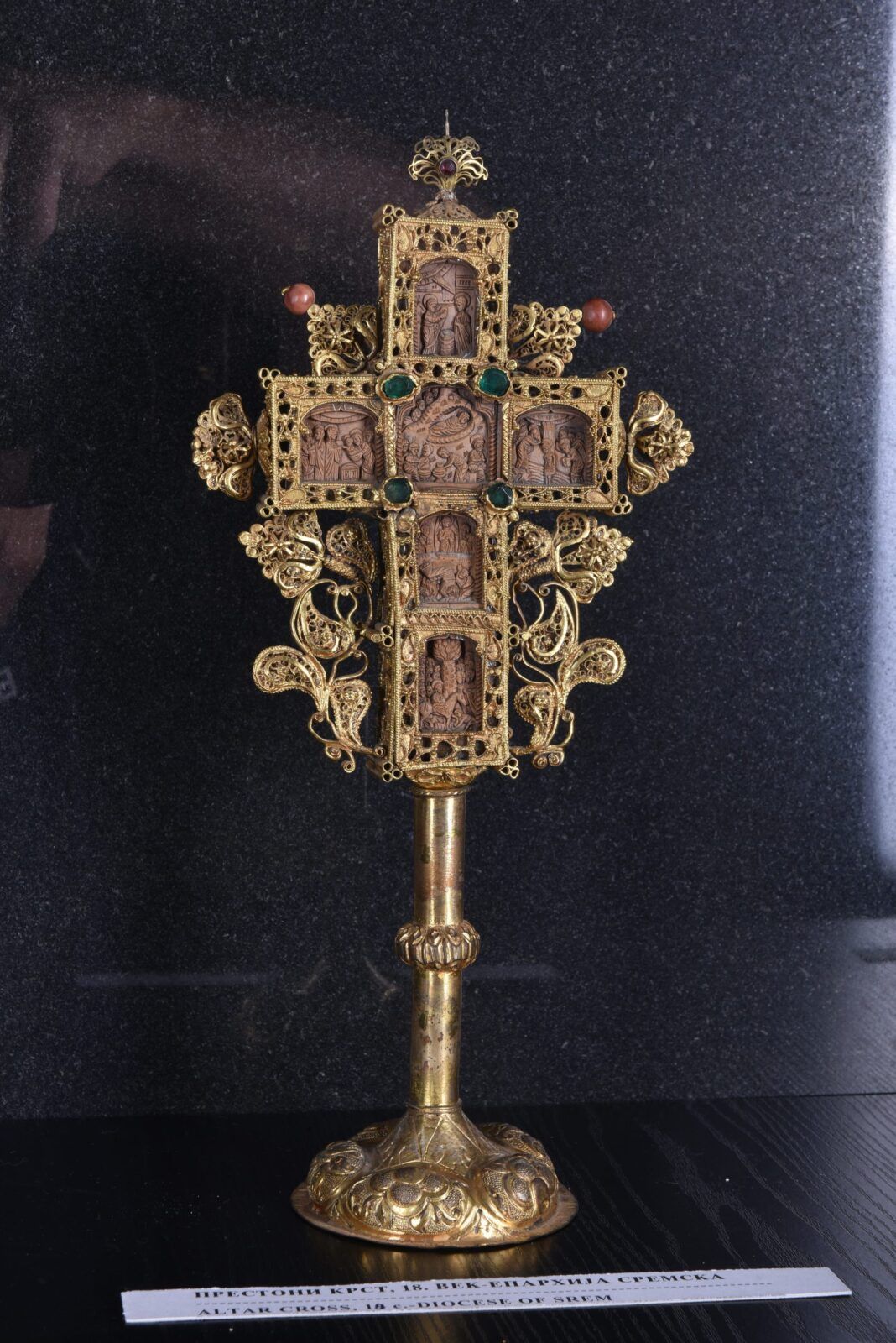
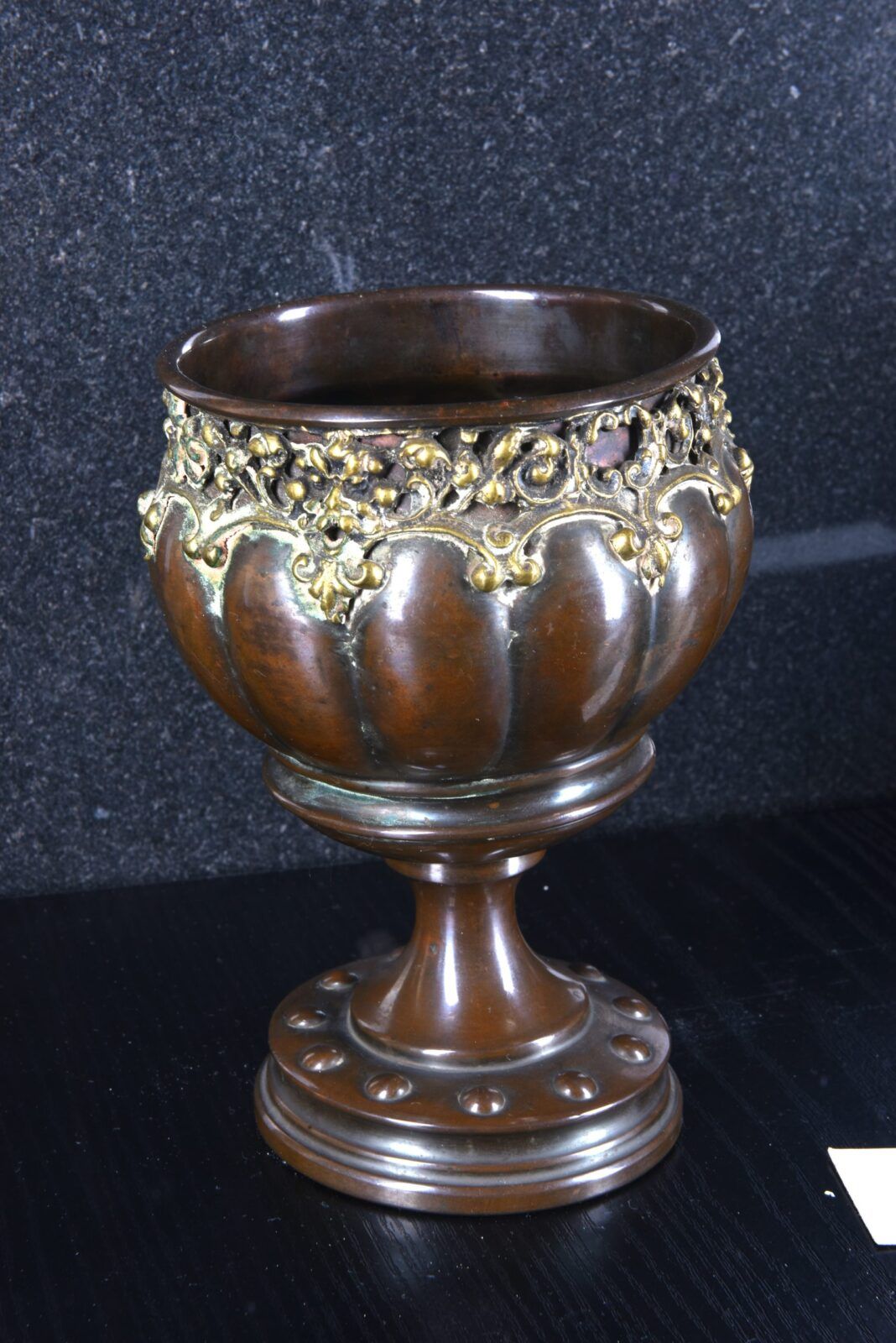
Before the coming sufferings in the First and especially the Second World War, Rakovac possessed a library of 943 titles, an archive maintained since 1740, as well as a treasury, in which, among other things, a five-bread communion tray from 1609, a silk omophorion from 1664, a wooden reliquary, decorated with mother-of-pearl, for the hand of St. Procopius, a copper engraving by Thomas Mesmer from 1741 and a green velvet felon from 1749. According to data from 1905, the local monks managed 1,653 cadastral acres of forest and arable land.
Sufferings and renewals
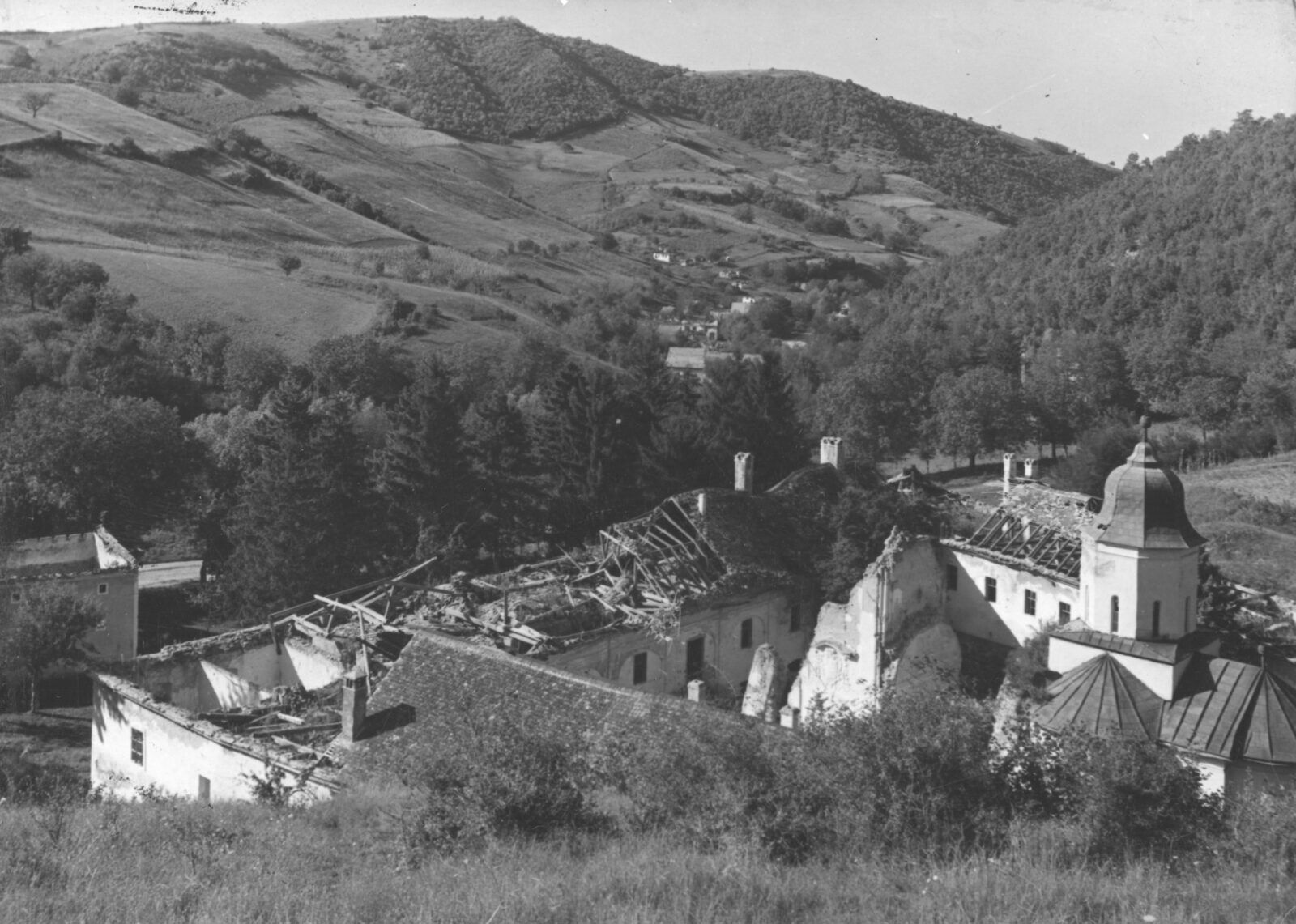
The eastern dormitory was demolished in 1771 and a high wall was built on that site. The work on the temple was carried out in 1821, when the roof was replaced, but also in 1849, when a new cap decorated with the imperial and patriarchal coat of arms was placed on the dome. The general renovation of the monastery, initiated by Hegumen Dositej (Popović) in 1913, was interrupted after the outbreak of the First World War. After the occupation by the Independent State of Croatia, all valuable objects were taken from Rakovac to Zagreb, while its inhabitants were expelled. It was detonated in 1943 in a punitive expedition launched due to a tip about an illegal, partisan printing press, which worked in a crypt under the bell tower. Then the neighboring village was also burned, the dormitory was razed to the ground and the massive tower collapsed on the temple, severely damaging the nave and narthex. The process of dismantling the important cultural monument continued in the post-war era, when all usable building materials were taken away from here. Unfortunately, it came under the supervision and professional care of conservators and restorers too late.
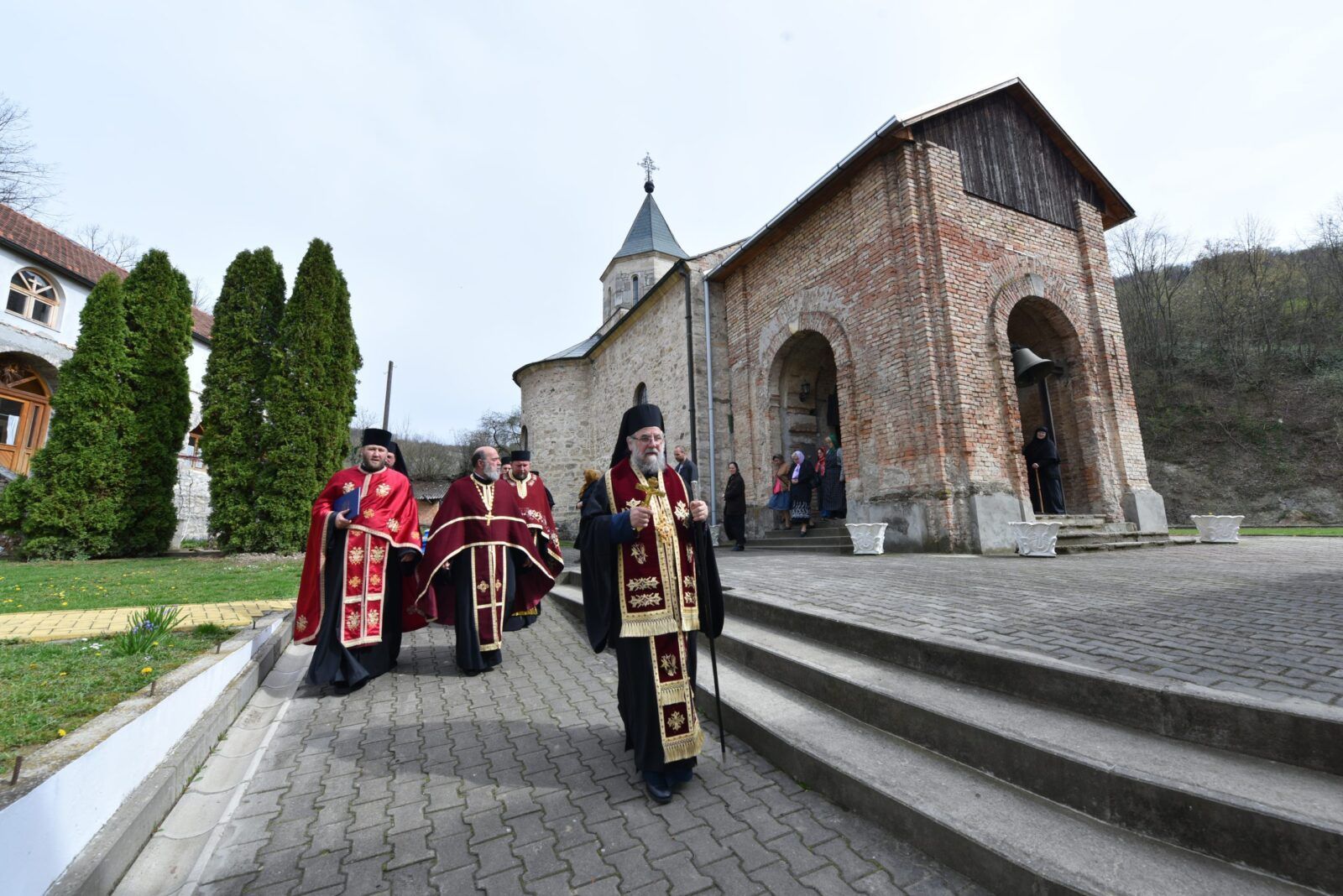
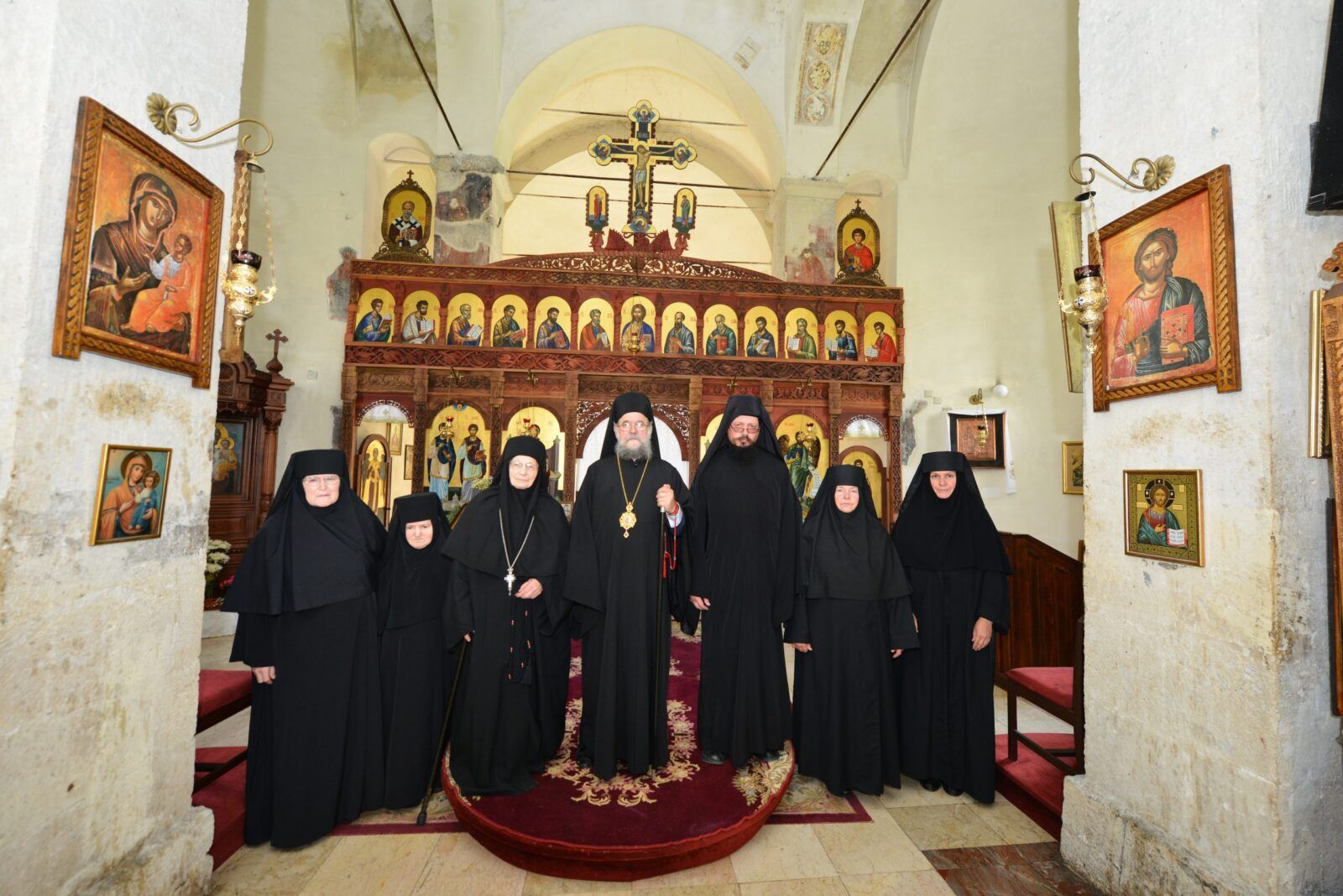
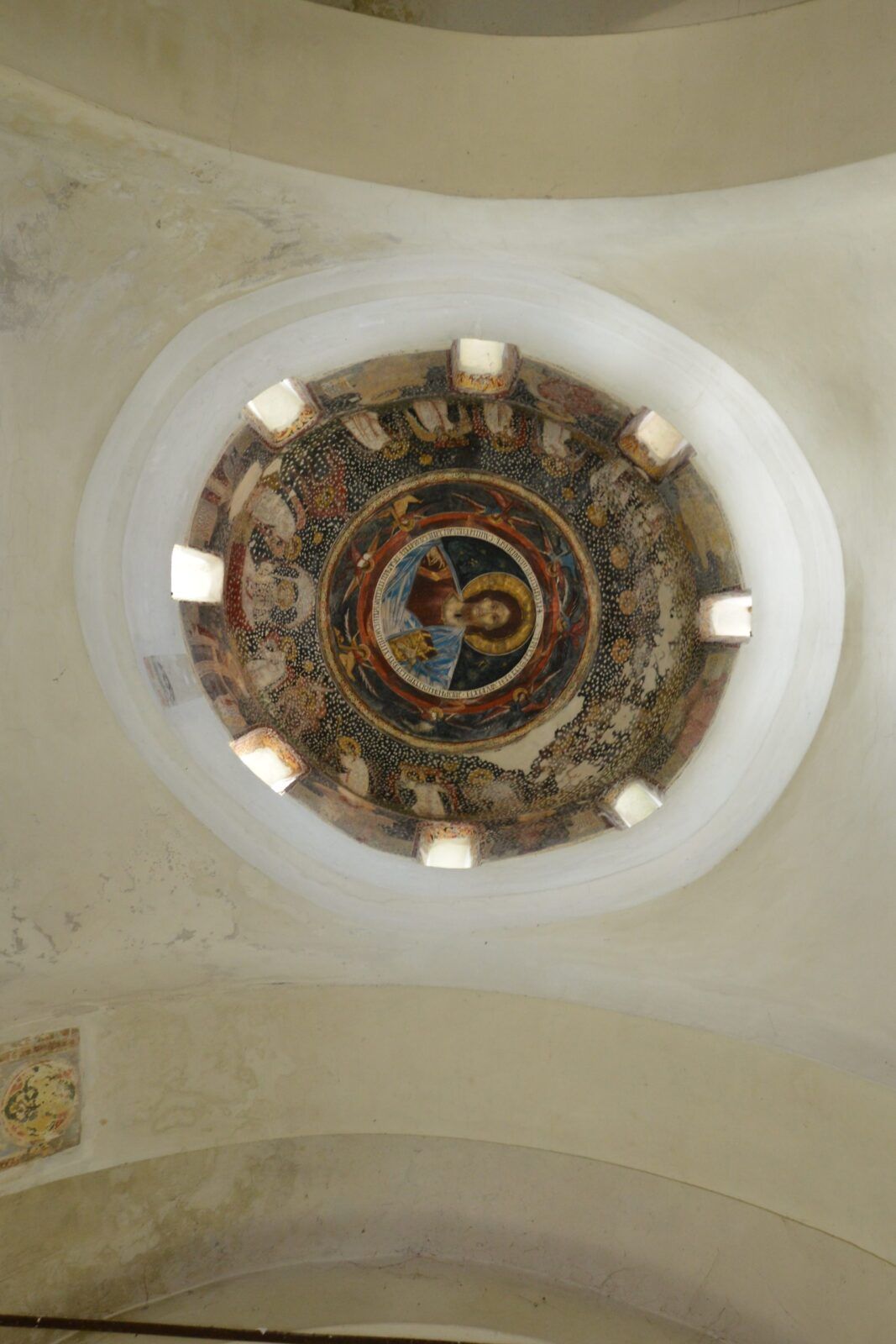
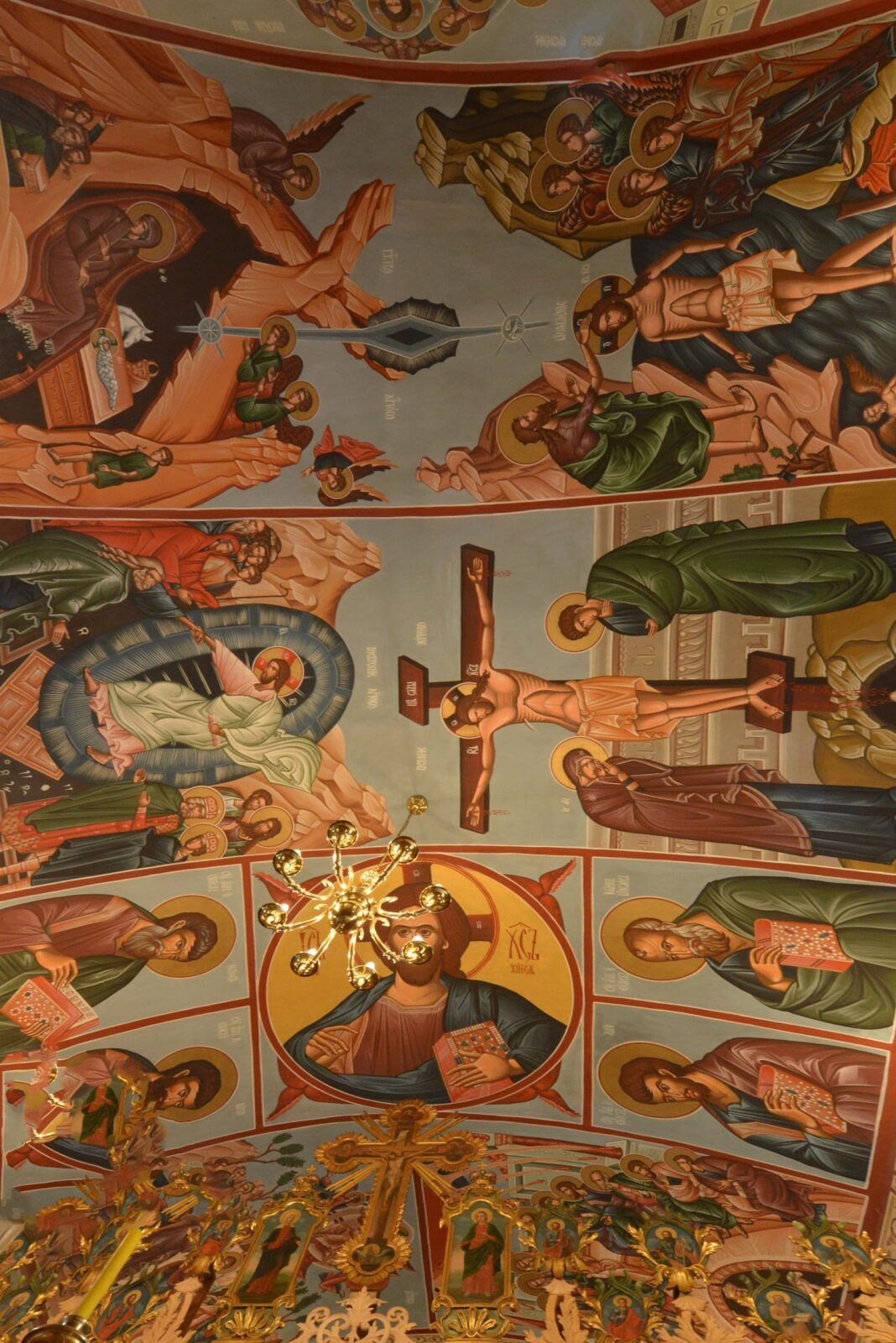
The first post-war works on the formless pile of materials, remaining from the “court monastery”, which was now under the formal management of the Beočin hegumen, were carried out only in 1953, when the temple was rebuilt. The northern wing of the dormitory was made suitable for living, under the Bishop of Srem Makarije (Đorđević) and the gate was cleared of rubble and wild vegetation, thanks to the efforts of the then students of the St. Arsenije Seminary in Sremski Karlovci. After several decades, Rakovac became a living family again, after the arrival of Hegumeness Anastasija (Glodić) in 1978. Installation of copper sheet on the roof, archaeological investigation of the foundation and restoration of the columns on which the cube rests were carried out from 1986 to 1989. Then a low belfry was built, the bells (donated by the bishop of Banat Hrizostom (Stolić) in 1993/94.) were placed and the remains of the old painting on the pillars (Annunciation) and in the tambour of the dome (Heavenly Liturgy, Christ Pantocrator in the calotte and the Prophets) were preserved, after which the place of worship was plastered and painted again. Around that time, the cemetery chapel dedicated to the Intercession of the Blessed Virgin Mary was also rebuilt. The process of revitalization became even more dynamic since 1991, under the direction of the new Mother Superior, Hegumeness Gavrila (Bedov). After installing the iconostasis painted by Ljubomir Vujaklija under the patronage of the Kojić family from Rakovac, the church was consecrated by the bishop of Srem, Mr. Vasilije (Vadić), on November 14, 1996. With the desire to use all the weight of the dignity of the apostolic recipient to help the resurrection of the defunct monastery, in accordance with the decision of the Holy Bishops’ Council of the Serbian Orthodox Church, in 1999, he declared it to be his stauropegion.
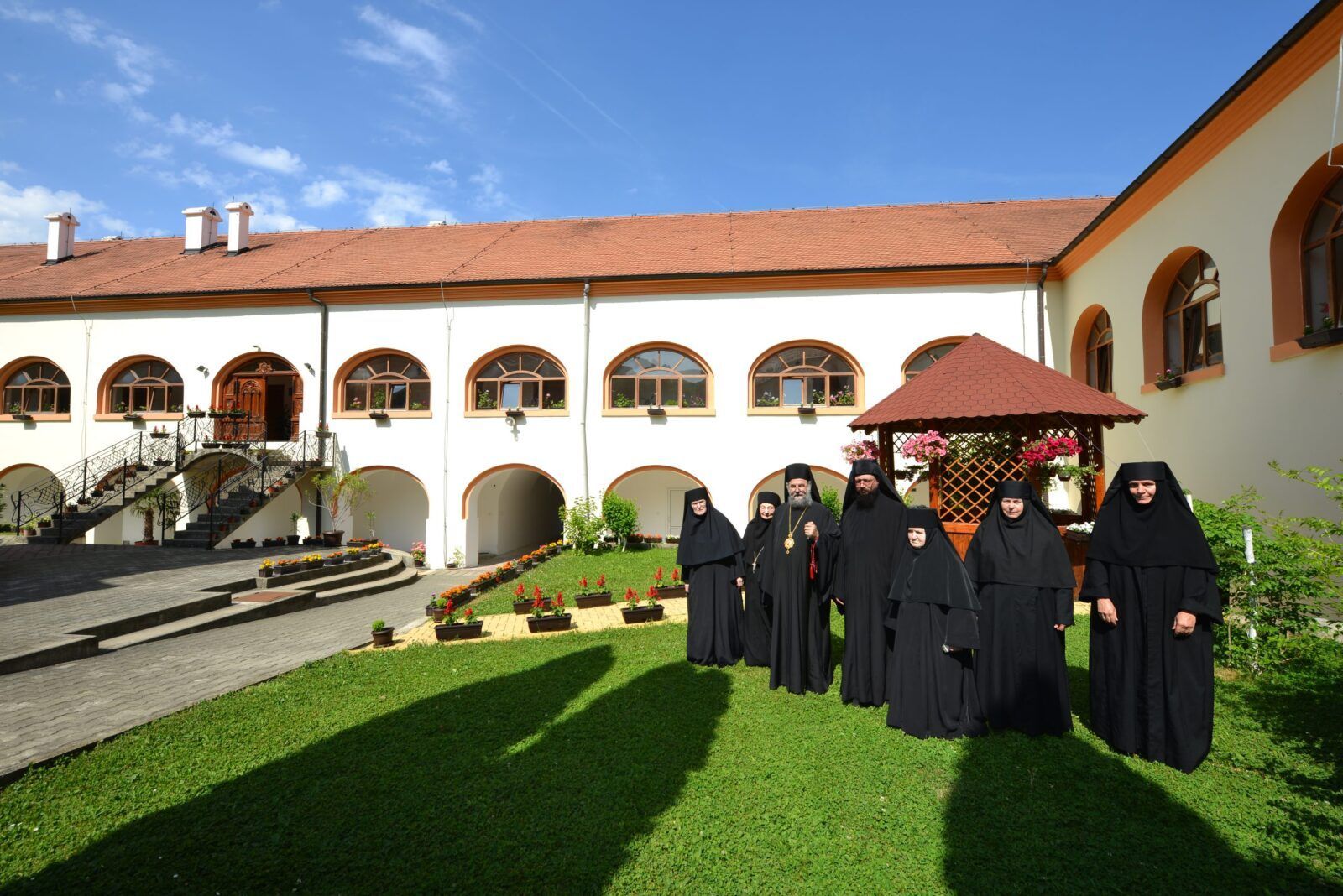
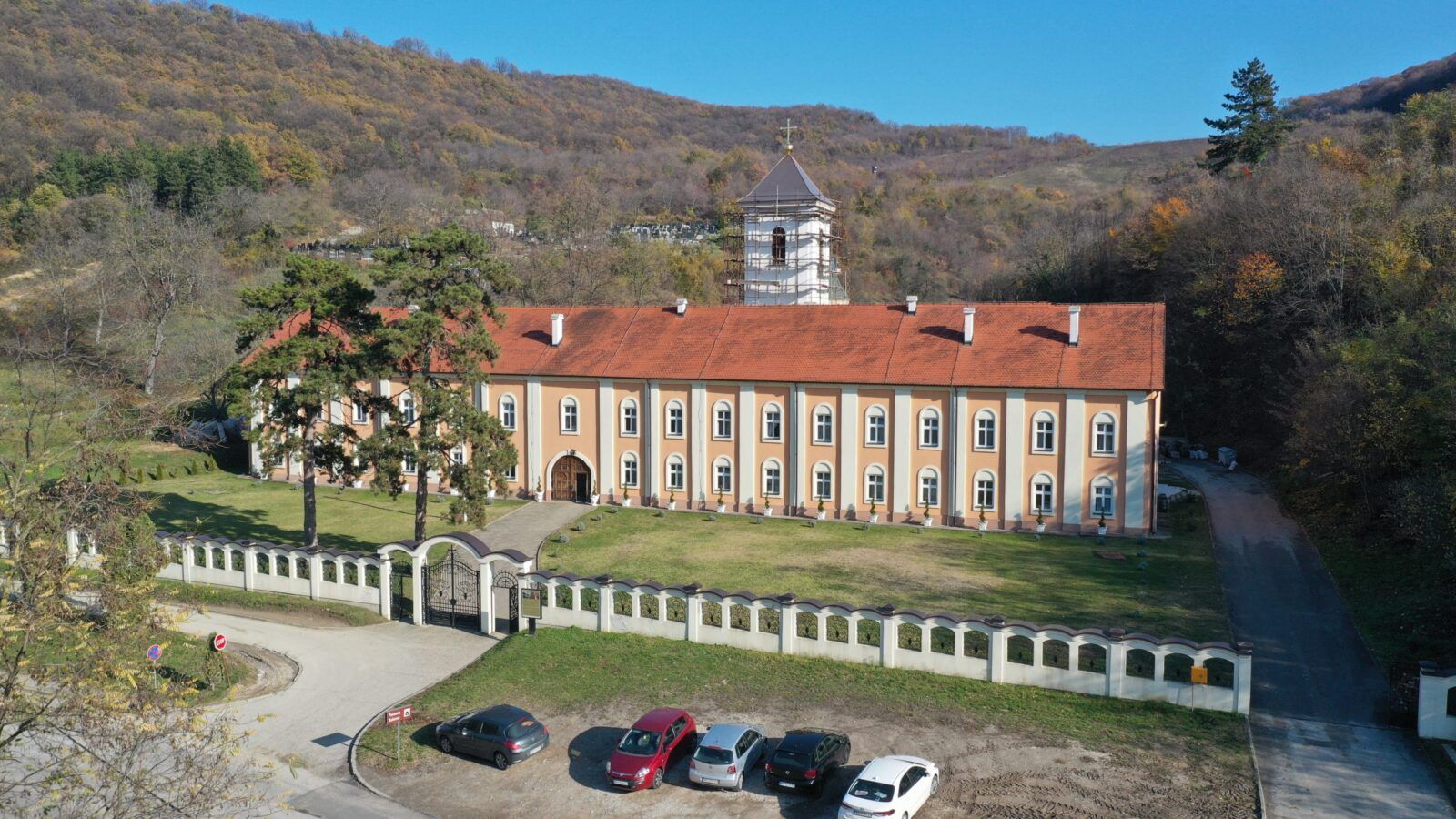
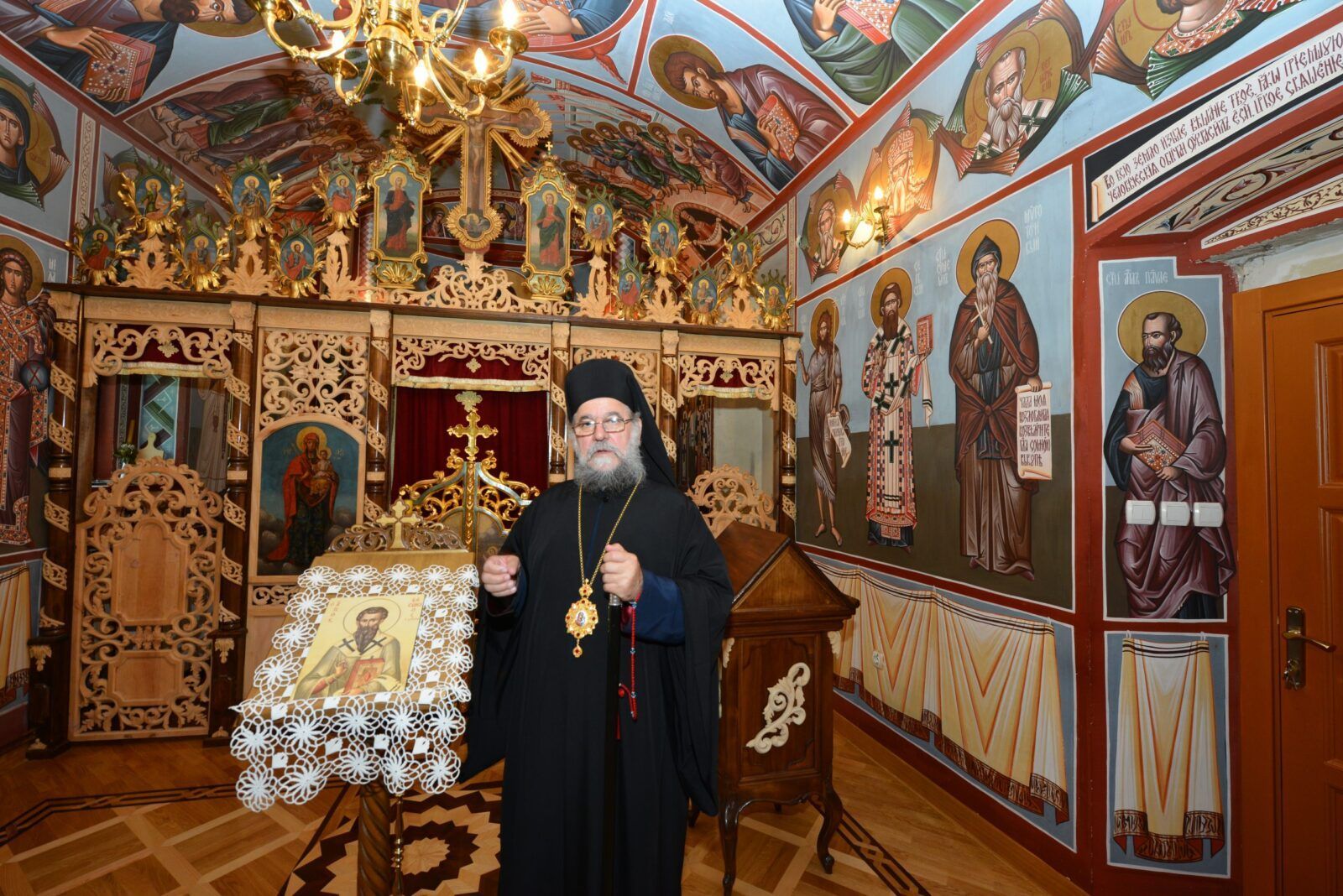
Under the patronage of the Bishop of Srem, Mr. Vasilije, the construction and furnishing of a completely new, one-story, western dormitory has been completed. Its foundations were poured in 2000. In the meantime, the old northern wing burned down in a fire that broke out on March 17, 2005, and thanks to the self-sacrificing zeal of the Bishop of Srem and a small monastic family, the building, repaired and equipped with furniture, with central heating installed, was ceremonially consecrated on November 26, 2005. Today, the fenced quarters house two refectories, the bishop’s residence with a cabinet and a separate dining room, a lounge, eight monastic cells, a pantry and other auxiliary rooms. According to the Mother Superior, the monastery library is under construction. Until 2000, the painting in the chapel of St. Basil the Great was carried out by an expert from Kuveždin and the restored 18th century iconostasis from the old cemetery chapel was transferred there.
Holy relics and graves
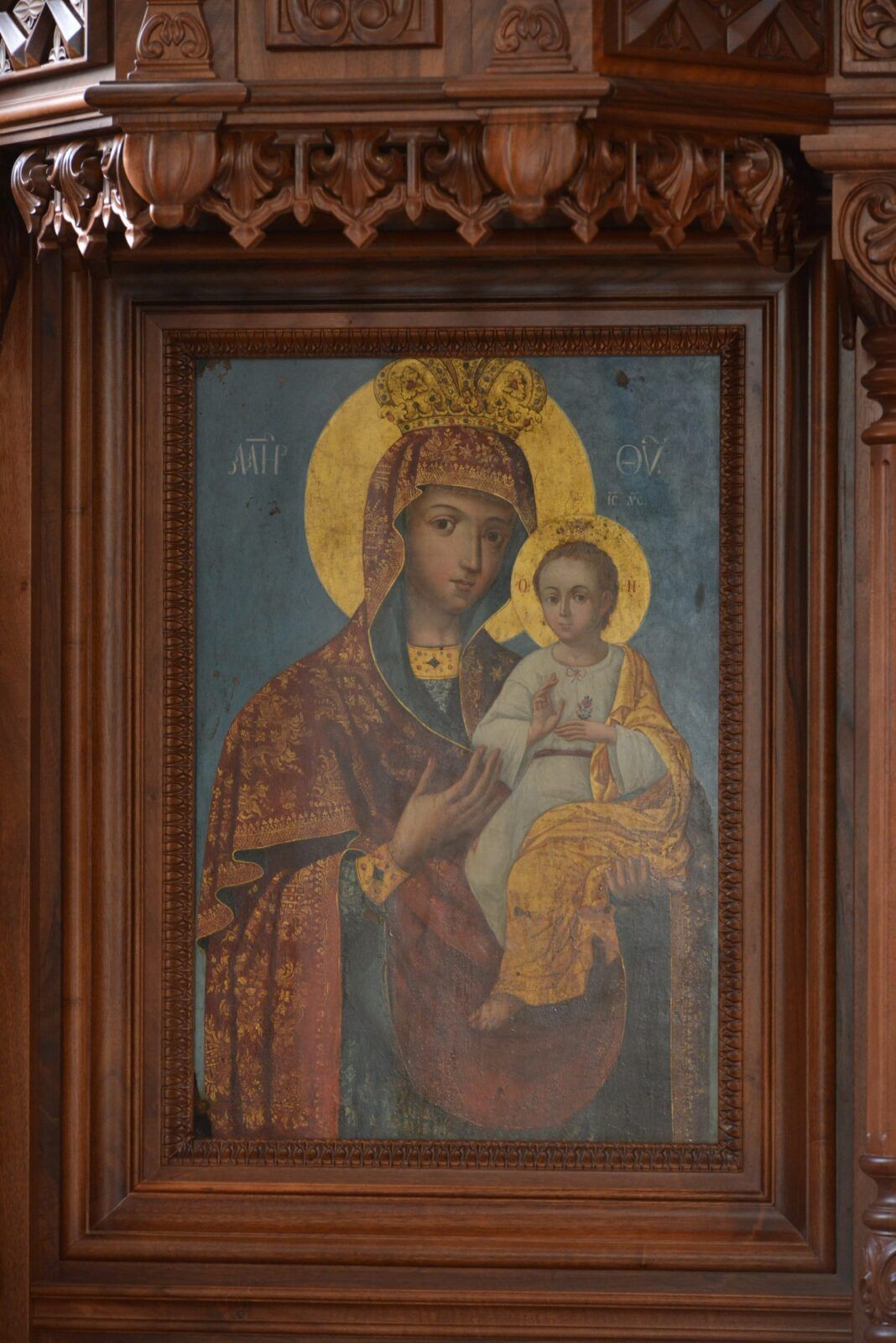
The monastery has no holy relics; the only antique is an authentic throne with an icon of the Virgin Hodegetria, which was transferred from Zagreb to the temple of The Holy Healers in 2007, after more than half a century. Bishop Sevastijan of Buda (1662), Metropolitan Vikentije (Jovanović) of Karlovci (1737), as well as Bishop Panteleimon (Živković) of Timisoara were buried there. In the hermitage, next to the former monastic cemetery which was nationalized after the end of the Second World War, rests Isaija (Parivoda), the copyist of “Srbljak”.
The monastic community of Rakovac managed to re-establish the centuries-old rhythm of daily services, after Hieromonk Mihailo (Sekulić) celebrated the first Holy Liturgy in 1991, on the feast of the Holy Three Hierarchs. Important assemblies are held here on Saints Cosmas and Damian (November 14 and July 14) and on the Assumption of the Blessed Virgin Mary (October 14)